Prothrombin Complex Concentrate versus Frozen Plasma for Coagulopathic Bleeding in Cardiac Surgery: Evidence Synthesis from the FARES-II Multicenter Randomized Clinical Trial and Related Studies

Prothrombin Complex Concentrate versus Frozen Plasma for Coagulopathic Bleeding in Cardiac Surgery: Evidence Synthesis from the FARES-II Multicenter Randomized Clinical Trial and Related Studies

This review synthesizes evidence demonstrating that 4-factor prothrombin complex concentrate (4F-PCC) offers superior hemostatic efficacy and safety compared to frozen plasma in managing coagulopathic bleeding during cardiac surgery, supported by the recent FARES-II trial and corroborating clinical research.
Cryopreserved Versus Liquid-Stored Platelets in Surgical Bleeding: Insights from the CLIP-II Randomized Noninferiority Trial

Cryopreserved Versus Liquid-Stored Platelets in Surgical Bleeding: Insights from the CLIP-II Randomized Noninferiority Trial

The CLIP-II trial evaluated dimethyl sulfoxide-cryopreserved platelets with extended shelf-life against conventional liquid-stored platelets in cardiac surgery bleeding, finding noninferiority was not established and cryopreserved platelets showed reduced hemostatic effectiveness despite similar safety profiles.
Home-Based Prehabilitation Did Not Reduce Disability or Complications in Older Adults with Frailty: Results of a Pragmatic Multicenter RCT

Home-Based Prehabilitation Did Not Reduce Disability or Complications in Older Adults with Frailty: Results of a Pragmatic Multicenter RCT

A pragmatic multicenter randomized trial found that coach-supported, home-based multimodal prehabilitation before elective noncardiac surgery did not reduce 30-day postoperative disability or in-hospital complications in older adults with frailty; higher adherence signaled possible benefit for disability outcomes.
Minimally Invasive Pancreatoduodenectomy Is Noninferior to Open Surgery for 90‑Day Complications but Raises Important Safety and Generalizability Questions

Minimally Invasive Pancreatoduodenectomy Is Noninferior to Open Surgery for 90‑Day Complications but Raises Important Safety and Generalizability Questions

An international randomized trial found minimally invasive pancreatoduodenectomy (mostly robotic) noninferior to open surgery for 90‑day overall complications and modestly faster functional recovery, with lower fistula and wound‑infection rates but a numerically higher 90‑day mortality.
International Reference Values for Total Pancreatectomy Show Higher Perioperative Risk Than Pancreatoduodenectomy — Practical Benchmarks for Quality Control

International Reference Values for Total Pancreatectomy Show Higher Perioperative Risk Than Pancreatoduodenectomy — Practical Benchmarks for Quality Control

This multicenter study defines international perioperative reference values for total pancreatectomy (TP). Even low‑risk TP carries higher morbidity and mortality than pancreatoduodenectomy; outcomes worsen with vascular resection or conversion for high‑risk anastomosis.
Personalized Prehabilitation Before Major Surgery Modulates the Immune System and Lowers Complications: Translating Fitness Into an ‘Immunome’ Signal

Personalized Prehabilitation Before Major Surgery Modulates the Immune System and Lowers Complications: Translating Fitness Into an ‘Immunome’ Signal

A randomized trial found personalized, remotely coached prehabilitation improved preoperative physical and cognitive function, produced distinct immunologic dampening of inflammatory signaling, and reduced moderate-to-severe postoperative complications compared with a paper-based standard program.
Preoperative HbA1c Identifies Hidden Risk: Dysglycemia Predicts Worse 30‑Day Outcomes After General Surgery

Preoperative HbA1c Identifies Hidden Risk: Dysglycemia Predicts Worse 30‑Day Outcomes After General Surgery

A large multicenter cohort shows that both diagnosed and previously unrecognized diabetes (by HbA1c) are common in general surgery patients and independently linked to higher 30‑day complications, readmissions, and mortality—supporting routine preoperative HbA1c assessment and individualized perioperative glycemic strategies.
Laparoscopic Distal Gastrectomy Is Comparable to Open Surgery for Clinical T4a Gastric Cancer in Short-Term Outcomes: Results from the UMC‑UPPERGI‑01 RCT

Laparoscopic Distal Gastrectomy Is Comparable to Open Surgery for Clinical T4a Gastric Cancer in Short-Term Outcomes: Results from the UMC‑UPPERGI‑01 RCT

The UMC‑UPPERGI‑01 randomized trial (n=208) found laparoscopic distal gastrectomy with D2 lymphadenectomy had similar 30‑day morbidity and mortality to open surgery for clinical T4a gastric cancer, despite longer operative times and modestly higher blood loss.
Perioperative Pembrolizumab + Trastuzumab with FLOT Achieves High pCR and Feasible Safety in HER2‑Positive Localized Esophagogastric Adenocarcinoma: Interim PHERFLOT Results

Perioperative Pembrolizumab + Trastuzumab with FLOT Achieves High pCR and Feasible Safety in HER2‑Positive Localized Esophagogastric Adenocarcinoma: Interim PHERFLOT Results

Interim results from the phase 2 PHERFLOT trial show a 48.4% pathological complete response and a 67.7% major pathologic response after four cycles of pembrolizumab, trastuzumab and FLOT in localized HER2‑positive esophagogastric adenocarcinoma; safety was consistent with known profiles.
Liberal vs Restrictive Postoperative Transfusion in High-Cardiac-Risk Surgery: TOP Trial Shows No Mortality or Major Ischemic Benefit

Liberal vs Restrictive Postoperative Transfusion in High-Cardiac-Risk Surgery: TOP Trial Shows No Mortality or Major Ischemic Benefit

In high–cardiac-risk veterans after major vascular or general surgery, a liberal postoperative transfusion threshold (Hb <10 g/dL) did not reduce 90‑day death or major ischemic events compared with a restrictive threshold (Hb <7 g/dL); some non‑MI cardiac complications were less frequent with liberal transfusion.
Electroacupuncture Shortens Postoperative Ileus After Laparoscopic Gastrectomy: Translating a Multicenter RCT into Clinical Practice

Electroacupuncture Shortens Postoperative Ileus After Laparoscopic Gastrectomy: Translating a Multicenter RCT into Clinical Practice

A multicenter randomized trial shows electroacupuncture (EA) reduces time to first flatus and defecation and lowers prolonged POI after laparoscopic gastrectomy. Mechanistic plausibility, ERAS integration, and implementation challenges are discussed with priorities for future trials.
Endoscopic Ultrasound–Guided Gastroenterostomy Outperforms Surgical Gastrojejunostomy for Malignant Gastric Outlet Obstruction: randomized trial shows faster recovery, shorter stay and lower costs

Endoscopic Ultrasound–Guided Gastroenterostomy Outperforms Surgical Gastrojejunostomy for Malignant Gastric Outlet Obstruction: randomized trial shows faster recovery, shorter stay and lower costs

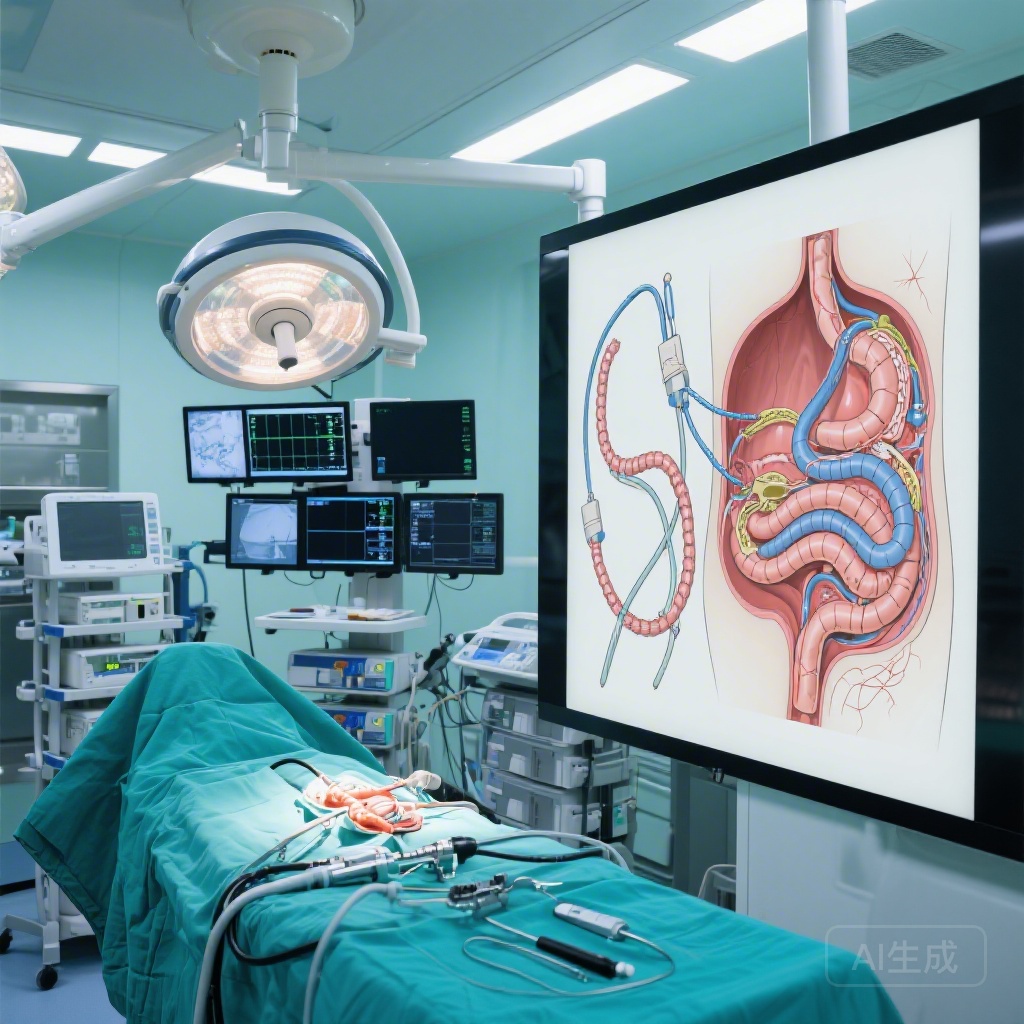
A multicentre randomized trial found EUS-guided gastroenterostomy (EUS-GE) superior to surgical gastrojejunostomy (SGJ) for malignant gastric outlet obstruction—improving oral intake, shortening hospital stay, enhancing quality of life and reducing costs.
EUS-Guided Gastroenterostomy Beats Surgical Gastrojejunostomy for Malignant Gastric Outlet Obstruction: Randomised Trial Shows Faster Diet, Shorter Stay and Lower Costs

EUS-Guided Gastroenterostomy Beats Surgical Gastrojejunostomy for Malignant Gastric Outlet Obstruction: Randomised Trial Shows Faster Diet, Shorter Stay and Lower Costs

A multicentre randomized trial (NCT05548114) found endoscopic ultrasound‑guided gastroenterostomy (EUS‑GE) superior to surgical gastrojejunostomy (SGJ) for malignant gastric outlet obstruction, with faster return to solid diet, shorter hospitalisation, better quality-of-life and lower costs.
Pathogen-Reduced Red Blood Cells Are Safe in Cardiac Surgery: ReCePI Phase 3 Shows Noninferior AKI Rates

Pathogen-Reduced Red Blood Cells Are Safe in Cardiac Surgery: ReCePI Phase 3 Shows Noninferior AKI Rates

The ReCePI randomized phase 3 trial found that amustaline/glutathione pathogen-reduced red blood cells produced similar rates of acute kidney injury compared with conventional transfusion after cardiac or thoracic-aorta surgery, with few treatment-emergent antibodies and no clinically significant hemolysis.
Simultaneous Liver Transplant and Sleeve Gastrectomy: A Dual Approach to Combat Obesity and MASLD with Durable Outcomes

Simultaneous Liver Transplant and Sleeve Gastrectomy: A Dual Approach to Combat Obesity and MASLD with Durable Outcomes

Combining liver transplant with sleeve gastrectomy yields sustained weight loss, improved metabolic syndrome, and reduced liver allograft steatosis, without increasing mortality or graft loss, offering an effective treatment for obese patients with metabolic dysfunction-associated steatotic liver disease.