Lower-Intensity Anticoagulation During Venovenous ECMO: A Pilot RCT Shows Feasibility and a Signal Toward Less Bleeding

Lower-Intensity Anticoagulation During Venovenous ECMO: A Pilot RCT Shows Feasibility and a Signal Toward Less Bleeding

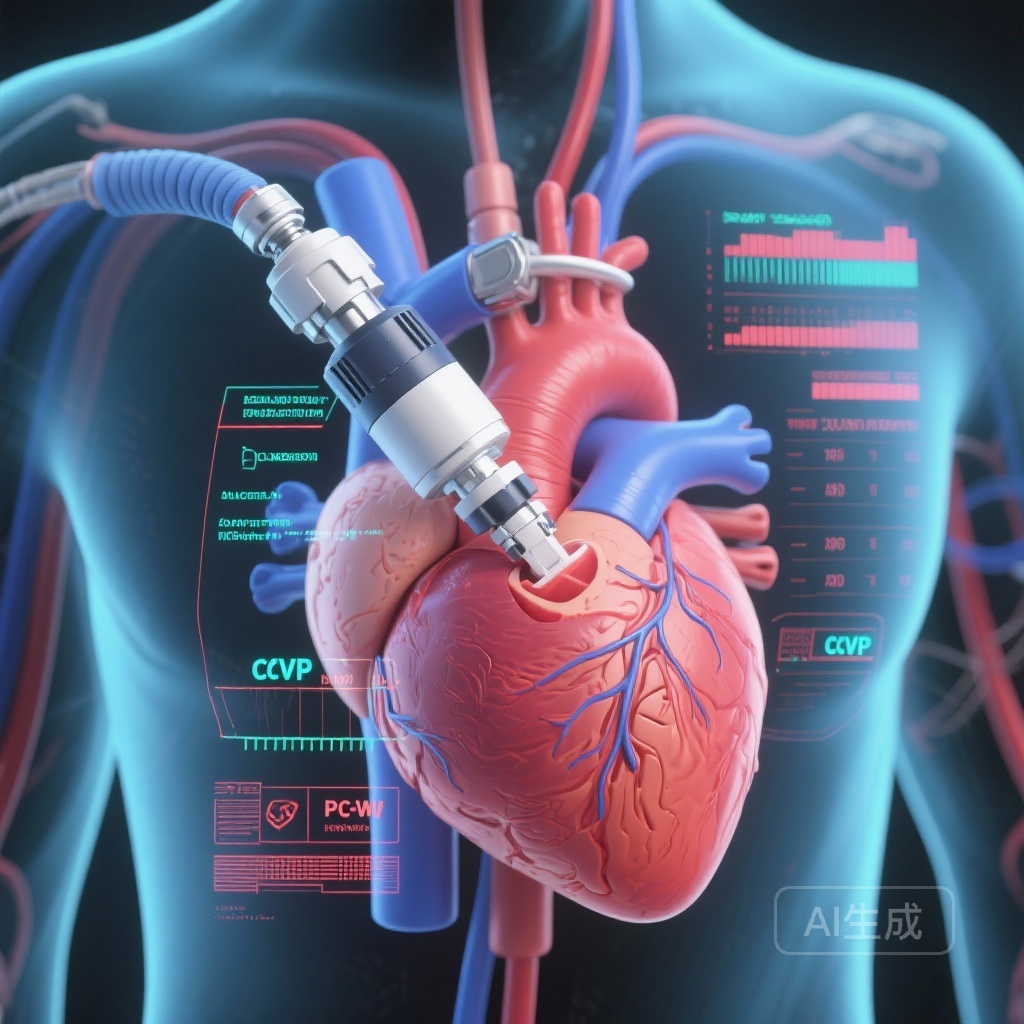
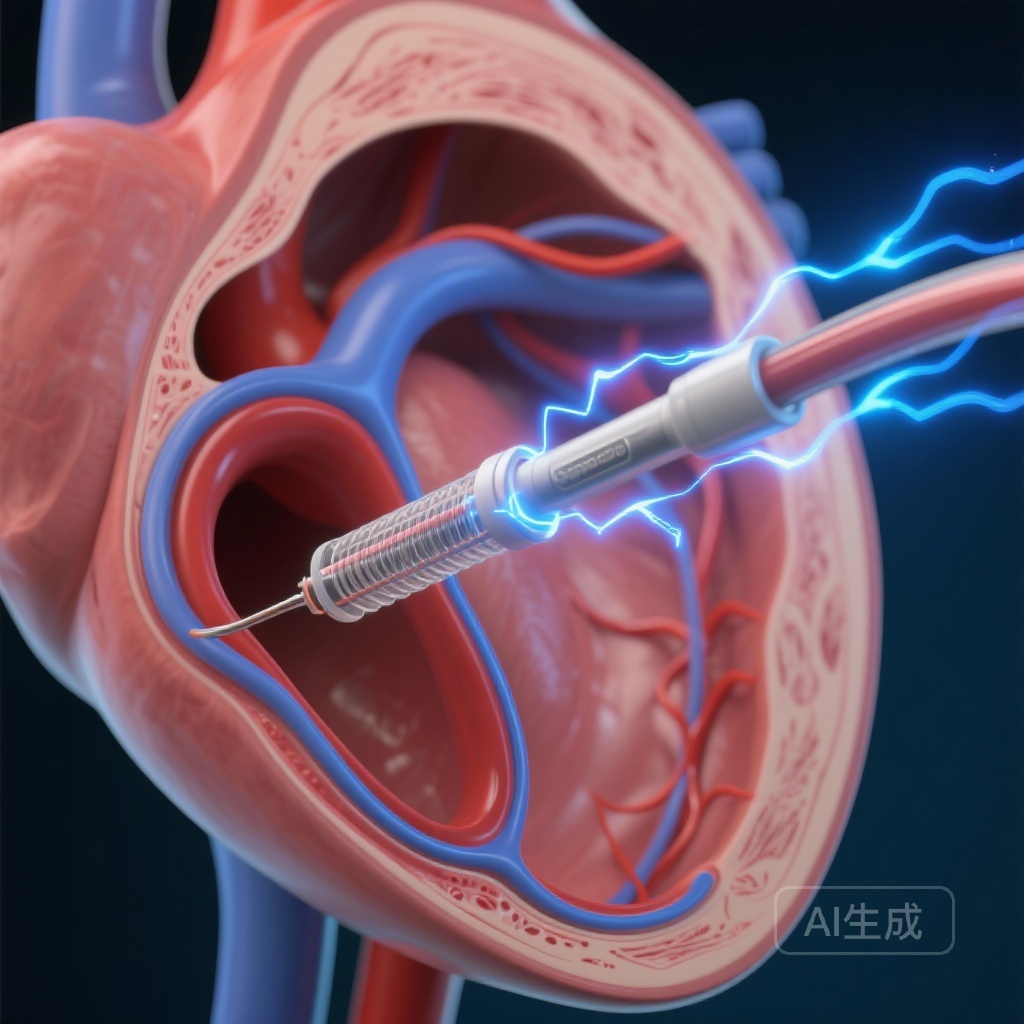
A 3-center randomized pilot trial found that randomized allocation to low- versus moderate-intensity anticoagulation during venovenous ECMO is feasible, with lower major bleeding rates in the low-intensity arm and no clear excess of thromboembolic events—but the study was underpowered for definitive safety or efficacy conclusions.
Mitochondrial Calcium Deficit Links Structural Remodeling to Atrial Fibrillation — and an Old Cholesterol Drug, Ezetimibe, Shows Unexpected Anti‑AF Potential

Mitochondrial Calcium Deficit Links Structural Remodeling to Atrial Fibrillation — and an Old Cholesterol Drug, Ezetimibe, Shows Unexpected Anti‑AF Potential

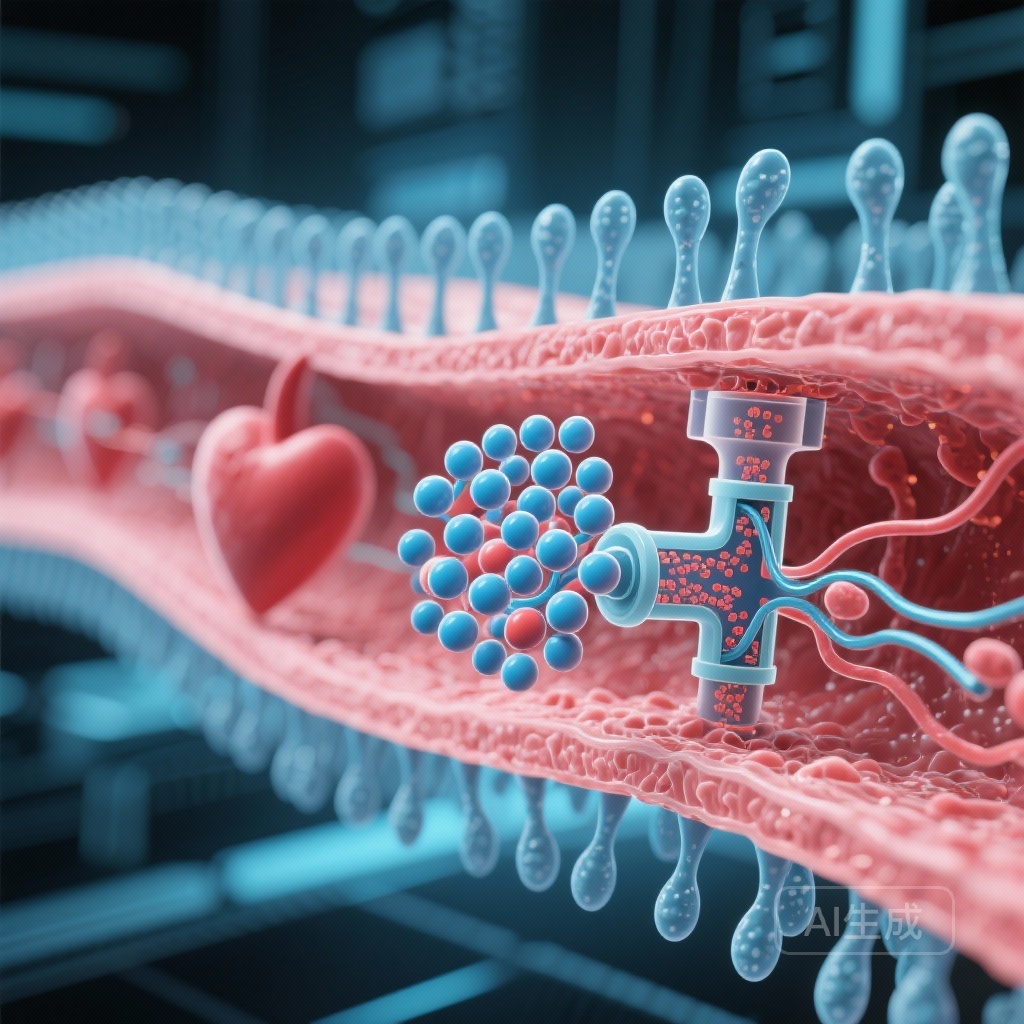
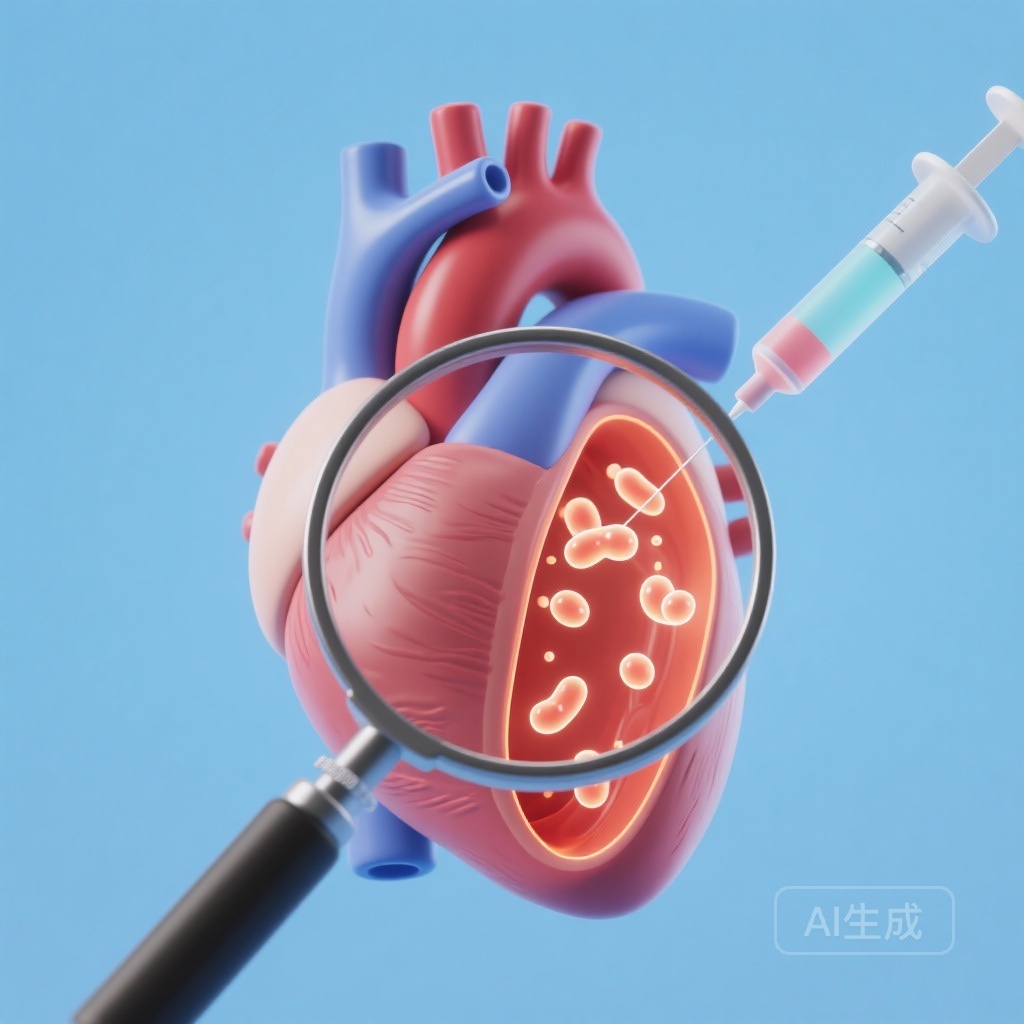
New human tissue and cellular data implicate impaired mitochondrial Ca2+ uptake, structural uncoupling of sarcoplasmic reticulum–mitochondria contacts, and oxidative stress in atrial fibrillation (AF); ezetimibe restored mitochondrial Ca2+ handling and reduced AF burden in exploratory analyses.
Cardiovascular and Respiratory Responses During Graded Exercise in Adolescents After Sport-Related Concussion: A Synthesis of Current Evidence

Cardiovascular and Respiratory Responses During Graded Exercise in Adolescents After Sport-Related Concussion: A Synthesis of Current Evidence

Exploring altered cardiopulmonary dynamics and exercise intolerance in adolescents post-sport-related concussion reveals attenuated cardiovascular responses independent of aerobic deconditioning, highlighting autonomic dysregulation as a key mechanism.