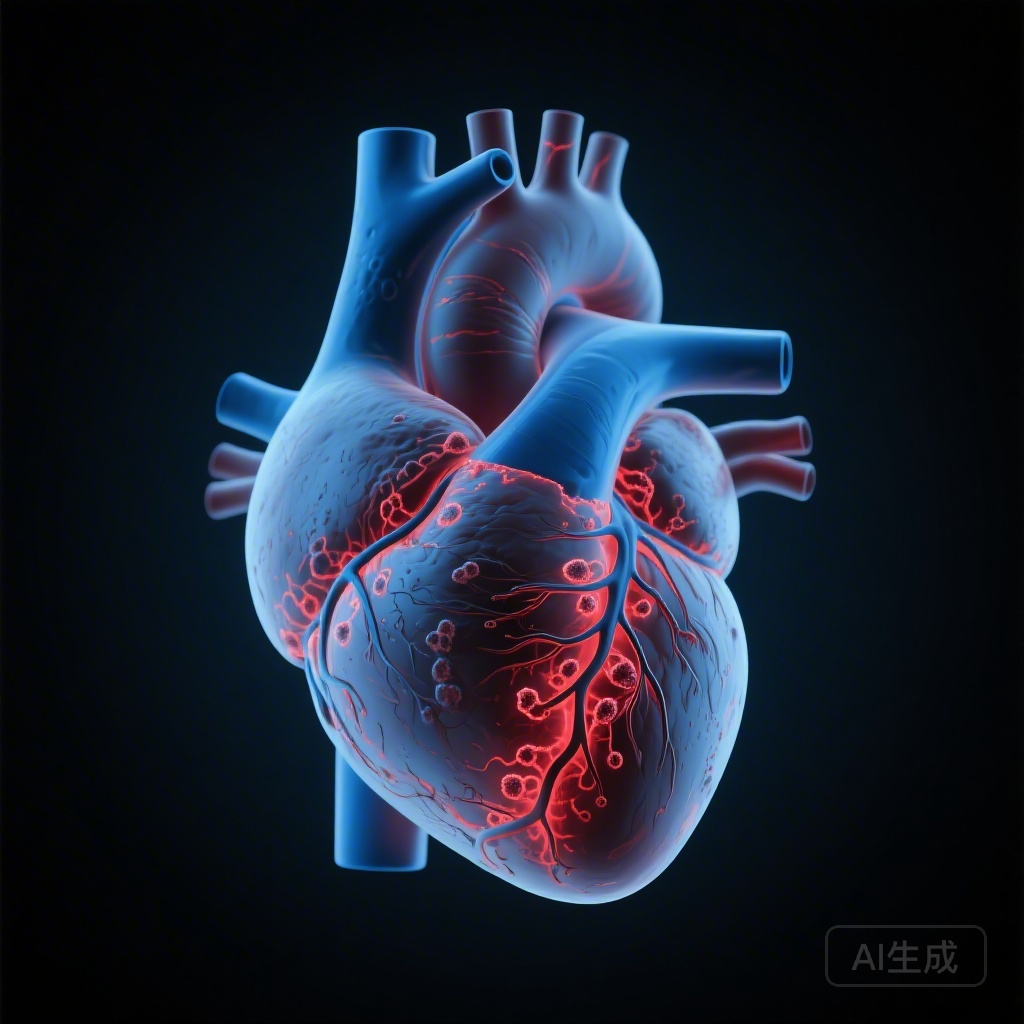
Prevalence and Prognostic Significance of Restriction Versus Systolic Dysfunction in Patients With Transthyretin and Light Chain Cardiac Amyloidosis

Prevalence and Prognostic Significance of Restriction Versus Systolic Dysfunction in Patients With Transthyretin and Light Chain Cardiac Amyloidosis

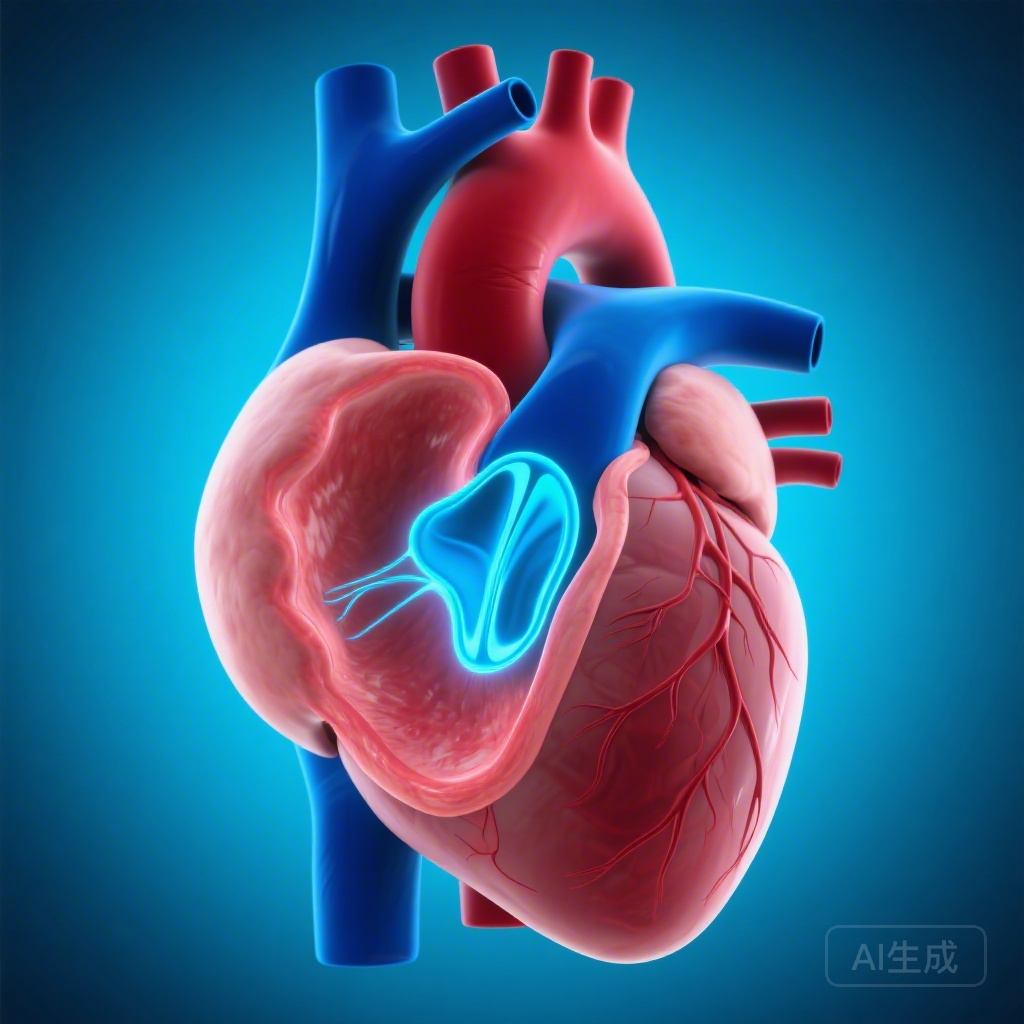
This large retrospective study of 820 patients reveals that restrictive ventricular physiology is the most common phenotype in cardiac amyloidosis. While preserved LV function offers better initial survival, the rate of progression to restriction is high, emphasizing the need for early clinical detection.
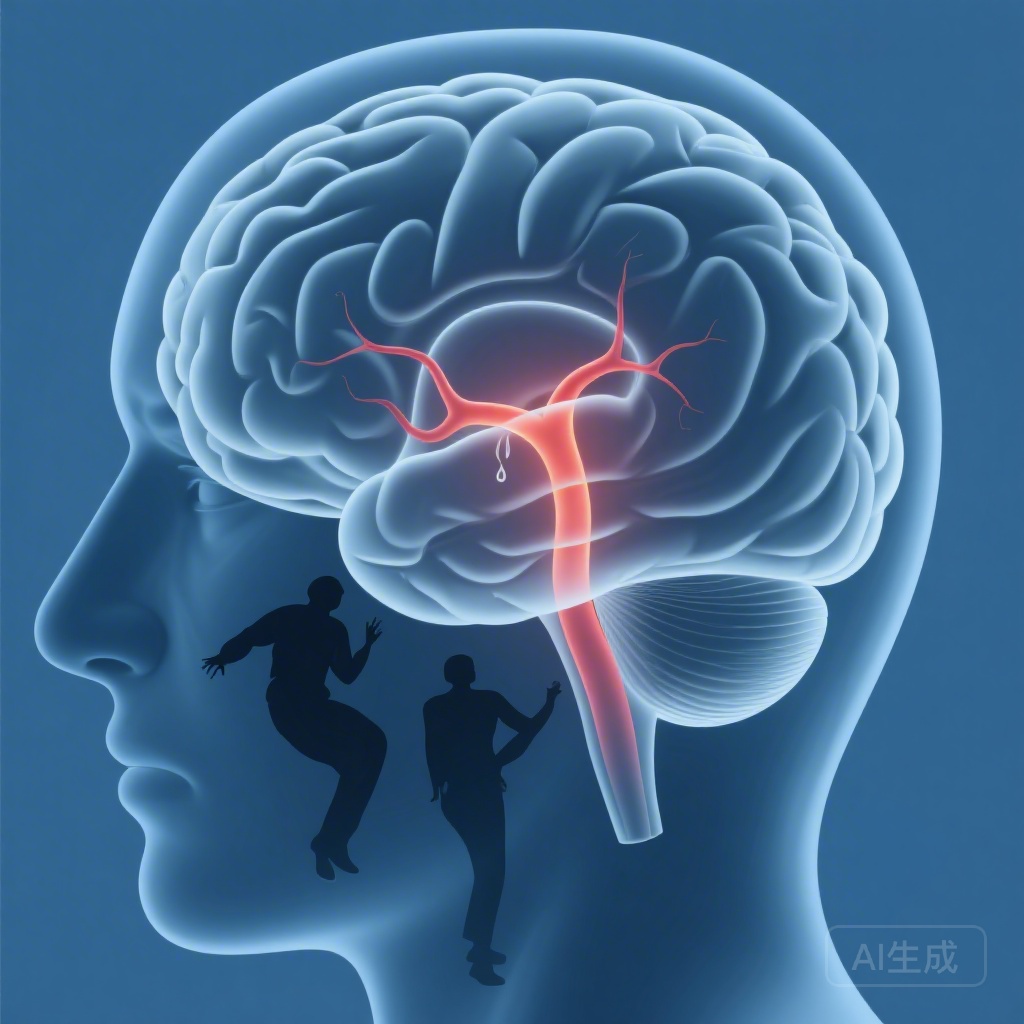
The Psychological Burden of Watchful Waiting: Anxiety and Depression Linked to Increased Rupture Risk and Mortality in Unruptured Intracranial Aneurysms

The Psychological Burden of Watchful Waiting: Anxiety and Depression Linked to Increased Rupture Risk and Mortality in Unruptured Intracranial Aneurysms

A large-scale retrospective study reveals that anxiety and depression following the diagnosis of unruptured intracranial aneurysms significantly increase the risk of rupture and all-cause mortality, suggesting that integrated psychiatric assessment is a critical component of neurovascular management.
Beyond Haploinsufficiency: How Nonsense-Mediated Decay Escape Redefines MODY Diagnosis and Identifies Novel INS Variants

Beyond Haploinsufficiency: How Nonsense-Mediated Decay Escape Redefines MODY Diagnosis and Identifies Novel INS Variants

A systematic analysis reveals that the pathogenicity of loss-of-function variants in MODY genes is gene-specific and dependent on nonsense-mediated decay status. Crucially, NMD-escape variants in the INS gene represent a novel, clinically distinct cause of MODY, improving diagnostic precision for monogenic diabetes.
Precision Risk Stratification in Cushing’s Disease: Integrating USP8 Genotype and Tumor Size to Predict Long-Term Recurrence

Precision Risk Stratification in Cushing’s Disease: Integrating USP8 Genotype and Tumor Size to Predict Long-Term Recurrence

An international cohort study demonstrates that combining USP8 genotype with tumor size significantly improves the prediction of recurrence in Cushing's disease, identifying high-risk patients even among those with low postoperative cortisol levels, paving the way for personalized long-term follow-up.