Introduction
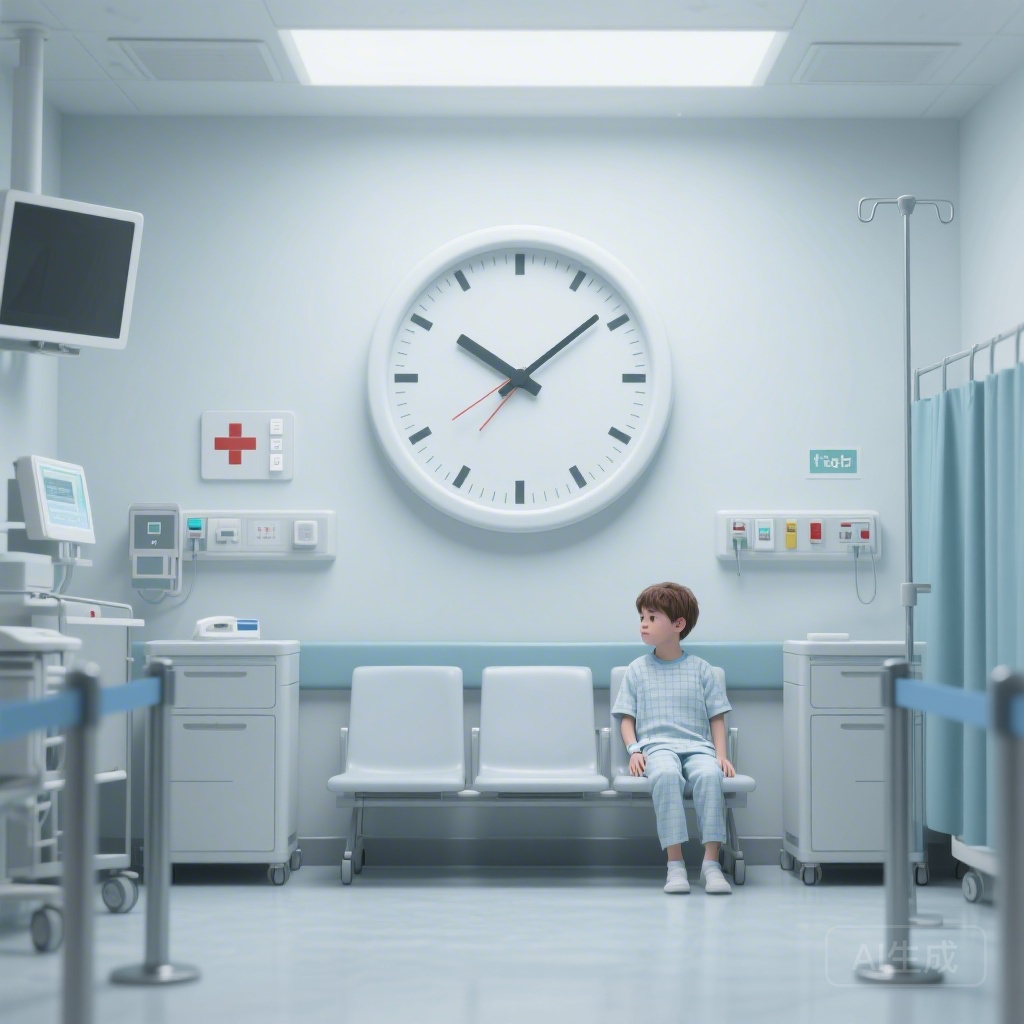
The landscape of pediatric mental health has shifted dramatically over the last decade. Emergency departments (EDs) across the United States have become the de facto front line for children and adolescents experiencing acute psychiatric crises. While the rise in ED utilization for mental health concerns is well-documented, the disparities in care delivery and outcomes within this setting remain a subject of intense investigation. One particularly vulnerable population often overlooked in clinical research is youth with a history of out-of-home placement (OOHP), including those in foster care, group homes, or kinship care. A recent study published in JAMA Network Open provides a critical look at how these histories impact the trajectory of care in the ED, specifically regarding length of stay (LOS) and the use of physical and pharmacological restraints.
Highlights
The study provides several key insights into the clinical management of youth with OOHP histories:
- Youths with a history of OOHP experienced a 24% increase in the length of stay in the emergency department compared to their peers without such histories.
- The odds of being subjected to physical restraint were 2.05 times higher for patients with OOHP histories.
- The odds of receiving pharmacological restraints were 2.15 times higher in the OOHP group.
- These disparities persisted even after adjusting for clinical severity, presenting symptoms, and insurance status, suggesting systemic rather than purely clinical drivers.
Background: The Crisis of Boarding and Vulnerable Populations
The phenomenon of “boarding”—where patients remain in the ED for hours or even days while awaiting placement in a specialized psychiatric facility—has reached crisis levels in pediatric medicine. For children with a history of OOHP, the path to stabilized care is often fraught with additional complexities. These children frequently have histories of complex trauma, multiple caregivers, and fragmented medical records. Furthermore, the legal and administrative requirements for discharging or transferring a child in state custody are often more cumbersome than for children living with biological parents.
Despite these known challenges, empirical data quantifying the impact of OOHP on ED outcomes have been sparse. Prior research has identified racial and socioeconomic disparities in ED LOS, but the specific intersection of child welfare involvement and emergency psychiatric care requires dedicated focus to inform policy and clinical practice.
Study Design and Methodology
The researchers conducted a retrospective, electronic health record (EHR)-based cross-sectional study at the Mayo Clinic in Rochester, a tertiary referral center serving as a regional hub for psychiatric care. The study period spanned from January 1, 2021, to June 30, 2024. The participant pool included 1,119 unique patients aged 17 years or younger who received a child and adolescent psychiatric consultation in the ED, totaling 1,572 care encounters.
The primary outcome measured was the length of stay in the ED. Secondary outcomes included the use of physical and pharmacological restraints. To account for the hierarchical nature of the data (multiple encounters per patient), the team utilized linear mixed-effects regression models with log-transformed LOS. The analysis adjusted for a wide range of covariates, including age, sex, insurance type, number of prior psychiatric diagnoses, specific presenting concerns, and documented reasons for prolonged boarding.
Key Findings: Quantifying the Disparity
Of the 1,572 encounters analyzed, 328 (approximately 21%) involved patients with a history of OOHP. The demographic breakdown revealed notable differences: the OOHP group had a higher proportion of male patients (48% vs. 34% in the non-OOHP group) and a higher representation of Black patients (16% vs. 10%).
Prolonged Length of Stay
The most striking finding was the significant extension of ED stays for youth with OOHP. Even after rigorous adjustment for confounding factors—such as the severity of the presenting crisis and the availability of inpatient beds—children with OOHP histories spent 24% more time in the ED (95% CI, 12%-36%; P = .004). This suggests that the delay is not merely a reflection of the child being “sicker” or the hospital being “full,” but rather something intrinsic to the care coordination or systemic handling of OOHP cases.
Increased Use of Restraints
The study also highlighted a concerning trend in the management of behavioral agitation. Youth with OOHP histories were twice as likely to experience physical or pharmacological intervention. Specifically, the odds ratio for physical restraint was 2.05 (95% CI, 1.69-2.48; P < .001), and for pharmacological restraint, it was 2.15 (95% CI, 1.79-2.58; P < .001). This finding is particularly salient given that this population is already at high risk for post-traumatic stress disorder (PTSD), and the use of restraints can be deeply re-traumatizing.
Expert Commentary and Clinical Interpretation
The results of this study underscore a significant gap in the equitable delivery of emergency psychiatric care. From a clinical perspective, the increased use of restraints may reflect a “vicious cycle” where the stress of a prolonged ED stay in a non-therapeutic environment exacerbates agitation in a child with a history of trauma, leading to behavioral outbursts that staff then manage with restraints.
Furthermore, the extended LOS likely points to the “disposition bottleneck.” Clinicians and social workers often face immense hurdles when trying to find an appropriate post-ED placement for a child in the welfare system. Many residential treatment centers or foster homes may be reluctant to accept a child who has recently demonstrated acute psychiatric instability, or there may be delays in obtaining consent from legal guardians or state caseworkers.
The biological and psychological implications are also profound. Children in OOHP often have altered stress response systems due to early childhood adversity. The chaotic environment of an ED, characterized by bright lights, loud noises, and frequent interruptions, is poorly suited for stabilizing such patients. When these stays are prolonged, the environment itself becomes a pathogen, worsening the very crisis the patient came in to resolve.
Study Limitations
While the study is robust, its single-center design at a tertiary referral center like the Mayo Clinic may limit the generalizability of the findings to smaller community hospitals or different geographic regions with different child welfare infrastructures. Additionally, the retrospective nature of the study prevents the establishment of a direct causal link between OOHP status and the outcomes observed, although the strength of the associations is compelling.
Conclusion and Path Forward
The findings by Kelly et al. serve as a clarion call for integrated reforms at the intersection of healthcare and child welfare systems. To mitigate the risk of extended ED stays and the use of restraints for children with OOHP, several strategies should be considered:
- Enhanced Care Coordination: Implementing dedicated social work and case management pathways specifically for youth in state custody to streamline the consent and placement process.
- Trauma-Informed ED Design: Creating “sensory-friendly” or dedicated psychiatric emergency spaces that reduce the environmental triggers for agitation.
- Provider Education: Training ED staff in de-escalation techniques specifically tailored for youth with complex trauma histories to reduce the reliance on physical and chemical restraints.
- Policy Advocacy: Increasing the availability of intermediate care facilities and therapeutic foster care to alleviate the disposition bottleneck.
Ultimately, the length of stay in an ED is a metric of system health. For our most vulnerable children, the system is currently failing to provide the timely, trauma-sensitive care they require. Further research and multi-site studies are essential to develop and validate interventions that ensure a history of out-of-home placement does not become a predictor of poor clinical outcomes.
References
Kelly CK, Saliba M, Park JH, et al. Prior Out-of-Home Placement and Length of Stay Among Youths Receiving Mental Health Services in the ED. JAMA Netw Open. 2026;9(1):e2555339. doi:10.1001/jamanetworkopen.2025.55339