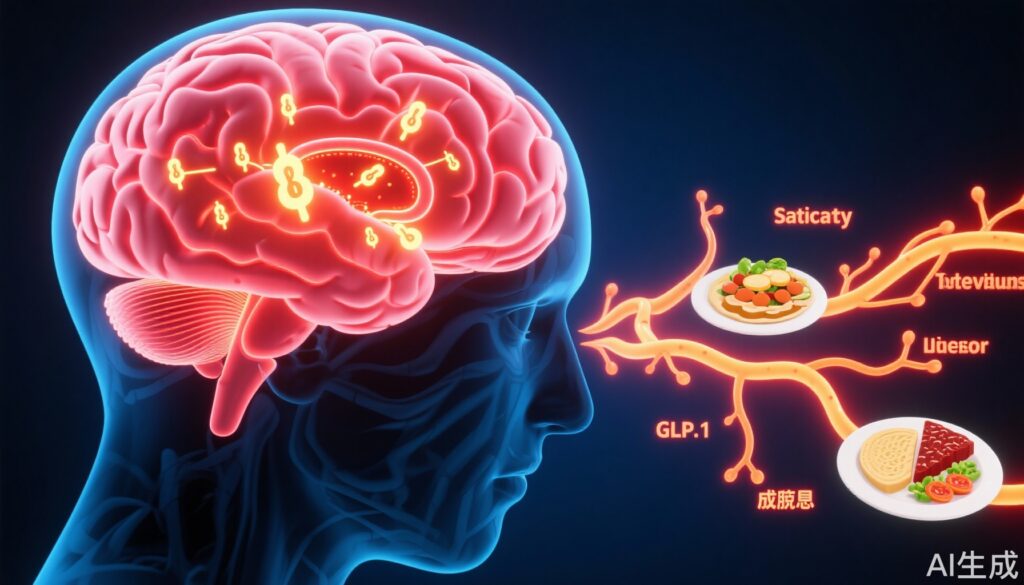
Discover how dopamine neurons in the brain's reward center overpower satiety signals, driving hedonic eating even when we're full, revealing new insights for obesity treatment.
A groundbreaking meta-analysis reveals that digital technology use lowers dementia risk and slows cognitive decline in adults over 50, highlighting digital tools as vital cognitive protectors rather than risks.
Midlife weight gain, especially around the abdomen, is driven by age-related changes in fat progenitor cells, not simply reduced metabolism or exercise, revealing new insights for targeted treatments.
Exploring how sleep deprivation triggers whole-brain oxidative stress and mitochondrial dysfunction, revealing why sleep is essential for brain health and energy metabolism.
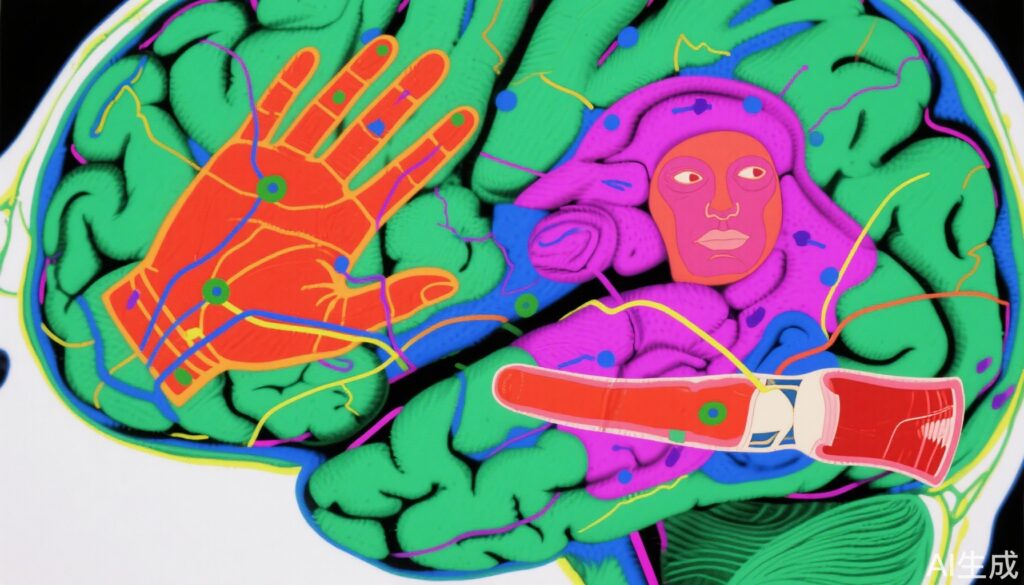
New research reveals that the brain's representation of lost limbs remains stable after amputation, challenging long-held beliefs and paving the way for improved treatments for phantom limb pain and advanced neuroprosthetics.
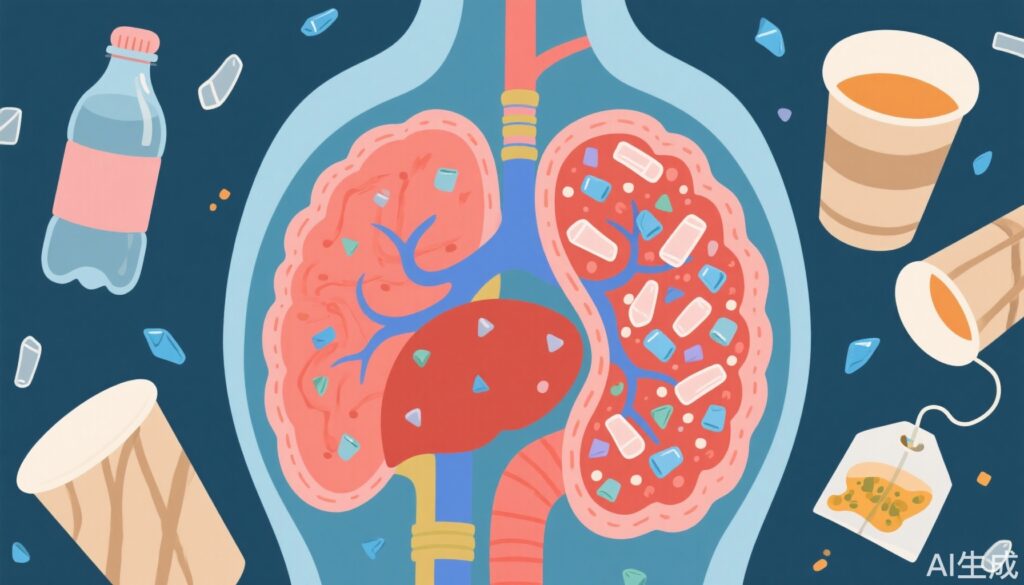
Recent research reveals that microwaving plastic food containers can release billions of micro- and nanoplastic particles into food, posing potential health risks, especially to infants and young children. Understanding this silent contamination is vital for safer food practices.
A groundbreaking discovery reveals a natural anti-inflammatory molecule in the body, homocysitaconate, whose levels can be boosted by vitamin B3 supplementation, offering new hope for managing severe inflammatory diseases.
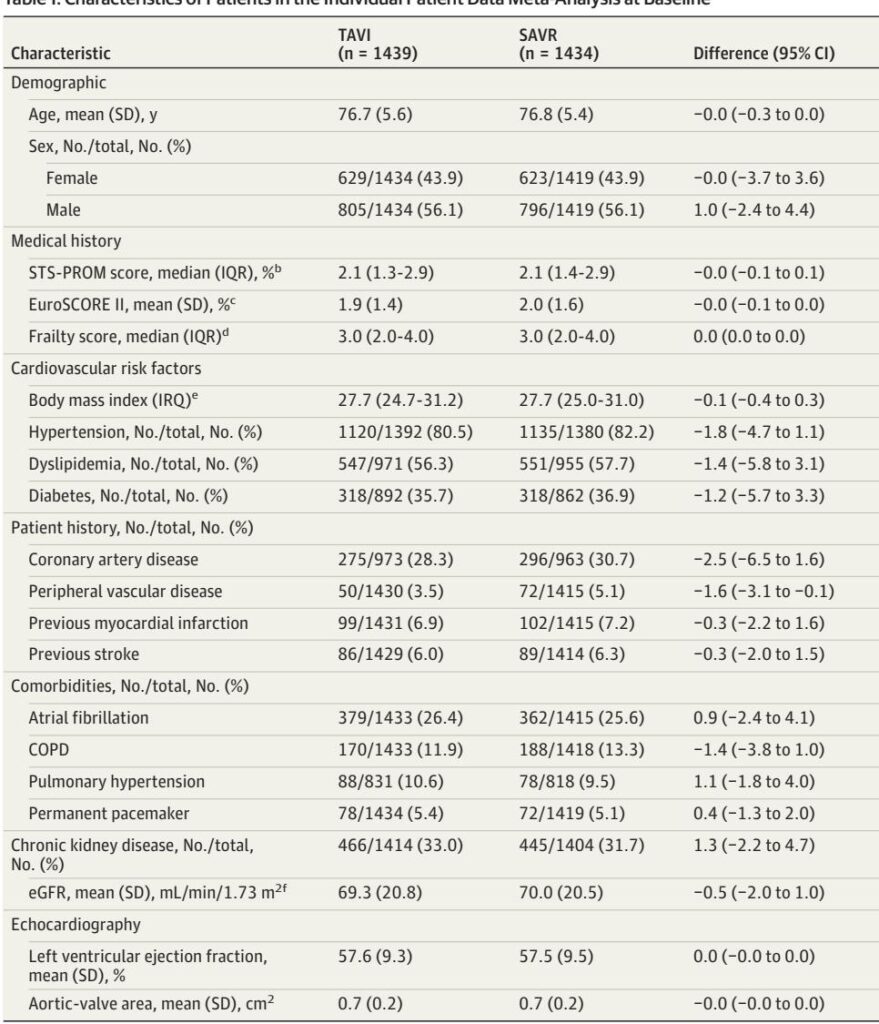
A patient‑level meta‑analysis of randomized trials finds transcatheter aortic valve implantation (TAVI) reduces 1‑year risk of death or stroke versus surgical AVR in low– to intermediate‑risk patients—informing patient selection, heart‑team decisions, and follow‑up priorities.
A Massachusetts cohort study reveals modest but persistent increases in medical debt after cancer diagnosis, particularly in colorectal and bladder cancers, despite high insurance coverage. Total debt, bankruptcy rates, and credit scores remained largely unchanged in the overall population.
Recent research uncovers that long-term statin use may prevent certain inflammation-driven cancers by blocking IL-33, heralding new possibilities in cancer prevention strategies.
Emerging research reveals that any alcohol consumption increases the risk of dozens of diseases, debunking myths about moderate drinking's benefits—especially for Chinese men. Quitting alcohol triggers remarkable health improvements and reduces mortality risk.
A study reveals that inhaling molecular hydrogen for 60 minutes enhances fat oxidation at rest in healthy women, potentially offering metabolic benefits, particularly for those with higher body fat percentages.
Regular tea consumption, especially green and flower teas, is linked to better cognitive function and lower risk of impairment among older adults, influenced by age, education, and income factors.
A 12-week clinical trial reveals that heat-treated green tea extract can significantly improve memory and brain network connectivity in middle-aged adults with subjective memory concerns.
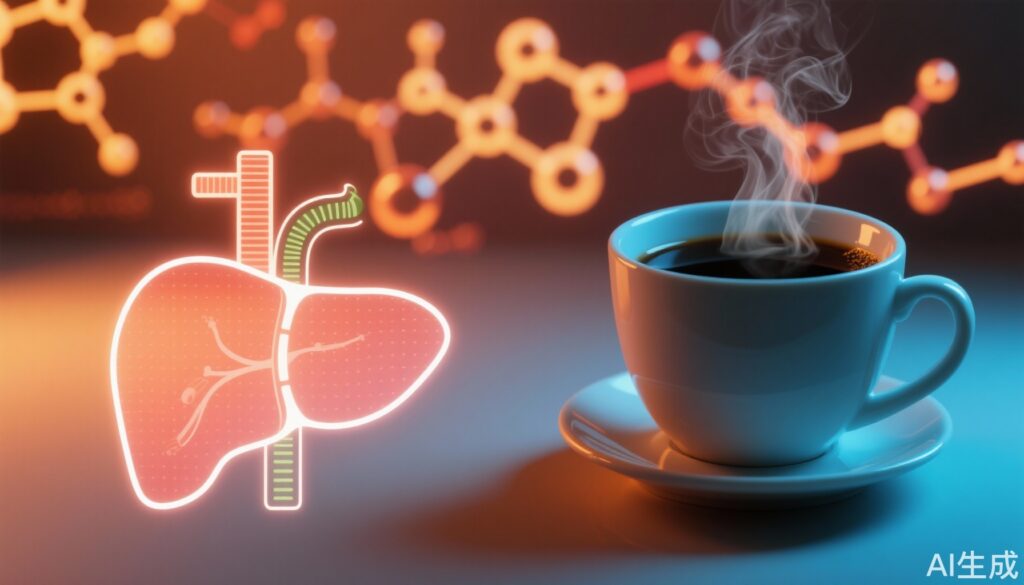
Emerging research suggests that drinking a daily cup of coffee could reduce the risk of liver damage by up to 30%, offering new hope in liver health management.
Japan’s Aichi Prefecture proposes a new ordinance limiting daily smartphone use to two hours, citing research that excessive social media use causes eye fatigue and physiological distress, especially among youth.
Recent research reveals that dietary supplementation with pumpkin seeds significantly improves male erectile function by modulating key biological regulators, providing a natural and safe alternative to traditional ED medications.
Intestinal polyps are common findings during colonoscopy, especially among those older than 50. While most are benign, certain types carry a significant risk of progressing to colorectal cancer. This article explores polyp types, risk factors, and clinical recommendations for removal.
Breast cancer is the most common cancer among women, with 90% of patients belonging to high-risk groups. This article explores five major risk factors, early detection strategies, and lifestyle changes crucial for prevention.
Stroke, a sudden interruption of brain blood flow, can lead to severe disability or death but is largely preventable. Early recognition and timely intervention can save lives and reduce complications.