Introduction: The Clinical Challenge of Pediatric Heterozygous Familial Hypercholesterolaemia
Heterozygous familial hypercholesterolaemia (HeFH) is one of the most common inherited metabolic disorders, affecting approximately 1 in 250 individuals worldwide. Characterized by severely elevated low-density lipoprotein cholesterol (LDL-C) from birth, HeFH leads to an accelerated progression of atherosclerotic cardiovascular disease (ASCVD). In the pediatric population, the primary therapeutic goal is to lower cumulative lifetime exposure to LDL-C, thereby delaying the onset of coronary artery disease.
While lifestyle modifications and high-intensity statins remain the cornerstone of management, a significant proportion of adolescents fail to achieve recommended LDL-C targets. This shortfall is often attributed to the limitations of current oral therapies, including variable efficacy, side effects, and, crucially, poor long-term adherence. The adolescent years are a particularly vulnerable period for treatment non-compliance. Consequently, there is an urgent clinical need for potent, well-tolerated lipid-lowering therapies with simplified dosing regimens. The ORION-16 trial investigates whether inclisiran, a first-in-class small interfering RNA (siRNA), can address these challenges in the adolescent demographic.
Highlights
- Inclisiran achieved a statistically significant 28.5% placebo-adjusted reduction in LDL-C levels at day 330 in adolescents with HeFH.
- The therapy demonstrated sustained efficacy over a two-year period, with mean LDL-C reductions reaching 33.7% by day 720.
- The safety profile was consistent with adult studies; the most common adverse events were mild, transient injection-site reactions.
- Twice-yearly dosing offers a transformative approach to overcoming medication adherence barriers in the adolescent population.
Study Design and Methodology of ORION-16
ORION-16 was a robust, two-part, phase 3 randomized clinical trial conducted across 51 sites in 26 countries. The study was designed to evaluate the efficacy, safety, and tolerability of inclisiran in adolescents (aged 12 to <18 years) who had a confirmed diagnosis of HeFH. Participants were required to have elevated LDL-C levels despite receiving the maximally tolerated dose of statins, with or without other lipid-lowering agents such as ezetimibe.
In Part 1, which was a 1-year double-blind phase, 141 patients were randomly assigned in a 2:1 ratio to receive either 300 mg of inclisiran sodium or a placebo. The dosing schedule was designed for convenience, with subcutaneous injections administered on Day 1, Day 90, and Day 270. Part 2 consisted of a 1-year open-label extension where all participants, including those previously in the placebo group, received inclisiran on Days 360, 450, and 630.
The primary endpoint was the percentage change in LDL-C from baseline to Day 330. Secondary endpoints included changes in other lipid parameters, such as total cholesterol, apolipoprotein B (ApoB), and non-high-density lipoprotein cholesterol (non-HDL-C), as well as long-term safety and tolerability.
Key Findings: Efficacy and Sustained Impact
The results of ORION-16 provide compelling evidence for the efficacy of inclisiran in the pediatric population. At the end of Part 1 (Day 330), the least squares mean percentage change in LDL-C was -27.1% in the inclisiran group compared to an increase of 1.4% in the placebo group. This resulted in a clinically and statistically significant between-group difference of -28.5% (95% CI -35.8 to -21.3; p<0.0001).
Beyond the primary endpoint, inclisiran showed substantial improvements in secondary lipid markers at Day 330:
- Apolipoprotein B (ApoB): Significant reductions were noted, which is critical given that ApoB is a direct measure of the total number of atherogenic particles.
- Non-HDL-C: Observed decreases mirrored the LDL-C reductions, providing a comprehensive improvement in the lipid profile.
- Total Cholesterol: Substantial reductions compared to placebo.
Part 2 of the study highlighted the durability of the treatment. At Day 720, the mean percentage change in LDL-C from baseline was -33.7%. This sustained reduction over two years suggests that the twice-yearly dosing interval is sufficient to maintain therapeutic levels of PCSK9 inhibition and subsequent LDL-C lowering in adolescents, whose metabolic rates and growth might otherwise influence drug pharmacokinetics.
Safety and Tolerability Profile
Safety is a paramount concern when introducing long-term biological therapies to pediatric patients. In ORION-16, inclisiran was well-tolerated, with a safety profile that closely aligns with data previously observed in large-scale adult trials (such as ORION-9, 10, and 11).
The most notable adverse event was injection-site reactions (ISRs). In Part 1, 16% of the inclisiran group experienced ISRs compared to 6% in the placebo group. These reactions were characterized by mild redness, swelling, or pain at the site of administration. Crucially, all ISRs were transient, mild in severity, and none led to the discontinuation of the study drug.
Importantly, there were no treatment-related serious adverse events reported. There were no signals of hepatotoxicity, renal impairment, or adverse effects on growth and development, which are critical considerations for this age group. The lack of neutralizing antibodies or significant immunogenicity further supports the long-term viability of this siRNA approach.
Mechanistic Insights: How Inclisiran Works
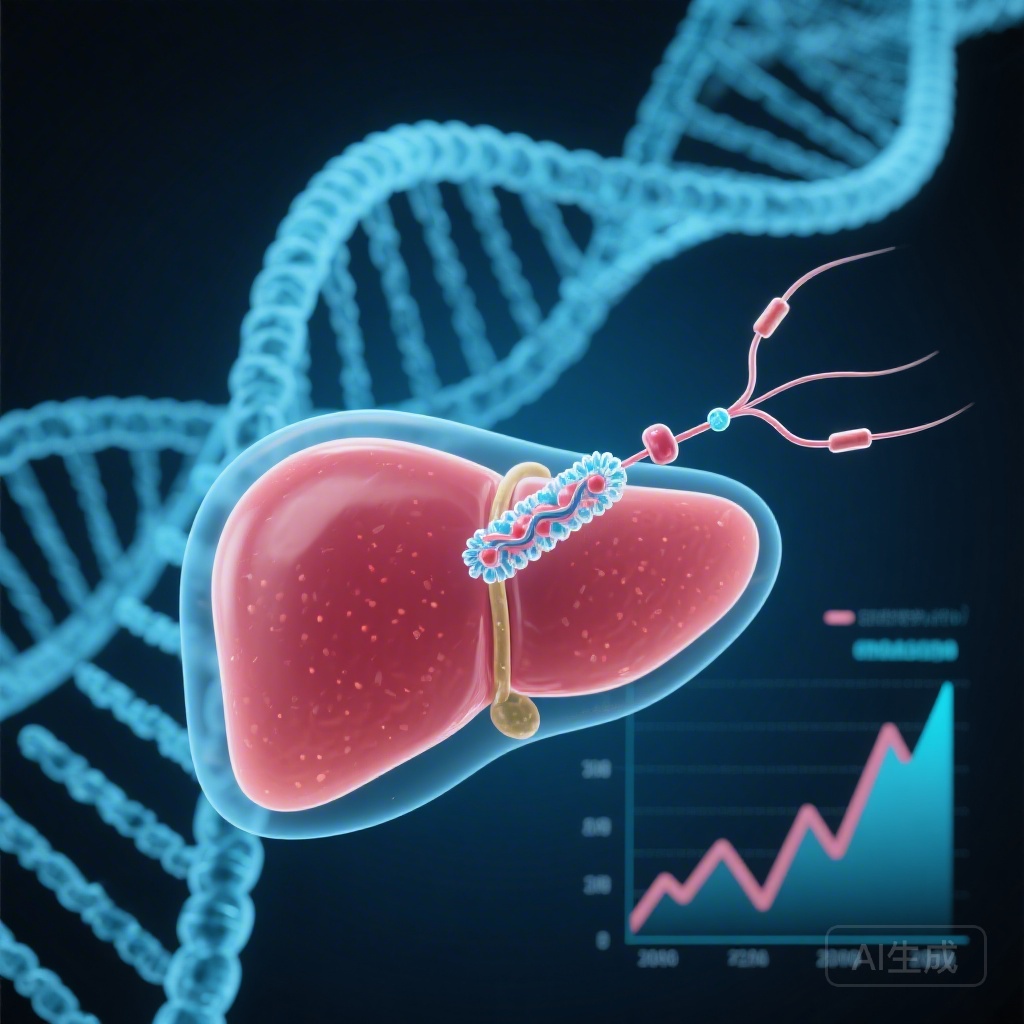
Inclisiran operates through a sophisticated mechanism of RNA interference (RNAi). It is a double-stranded siRNA conjugated to Triantennary N-acetylgalactosamine (GalNAc). This GalNAc conjugation ensures that the drug is specifically delivered to hepatocytes, the primary site of LDL receptor regulation.
Once inside the hepatocyte, inclisiran enters the RNA-induced silencing complex (RISC). It then directs the cleavage of the messenger RNA (mRNA) that encodes for proprotein convertase subtilisin/kexin type 9 (PCSK9). By silencing the production of PCSK9 at the source, inclisiran prevents the PCSK9-mediated degradation of LDL receptors on the hepatocyte surface. The resulting increase in LDL receptor density allows for enhanced clearance of LDL-C from the circulation. Unlike monoclonal antibodies that bind to circulating PCSK9 and require frequent administration, inclisiran’s action within the RISC provides a long-lasting effect, enabling the infrequent dosing schedule seen in the ORION trials.
Expert Commentary: Clinical Implications and Adherence
The findings from ORION-16 are poised to shift the management paradigm for pediatric HeFH. For many years, clinicians have struggled with the adherence gap in adolescents. Daily oral medications are frequently missed, and even bi-weekly injections of PCSK9 monoclonal antibodies can be burdensome for a teenager’s lifestyle.
By providing a treatment that only requires two doses a year after the initial loading phase, healthcare providers can essentially ensure nearly 100% adherence through office-based administration. This “set-and-forget” model minimizes the psychological burden of chronic disease management on the patient and their family.
However, it is important to note the study’s limitations. The cohort was predominantly White (91%), which may limit the generalizability of the findings to more diverse populations. Additionally, while the two-year data is promising, long-term follow-up will be necessary to confirm that this degree of LDL-C lowering in adolescence translates directly into a reduction in hard cardiovascular events, such as myocardial infarction or stroke, later in life.
Conclusion
The ORION-16 trial successfully demonstrates that inclisiran is an effective and safe adjunct to statin therapy for adolescents with HeFH. With a placebo-adjusted LDL-C reduction of 28.5% and a favorable safety profile, it offers a potent new tool for clinicians. The twice-yearly dosing regimen is a significant advancement, potentially solving the perennial problem of medication non-adherence in the adolescent population. As we move toward more personalized and preventive cardiovascular medicine, inclisiran represents a vital step in protecting high-risk young patients from the long-term consequences of familial hypercholesterolaemia.
Funding and Clinical Trial Registration
This study was funded by Novartis Pharma. The trial is registered at ClinicalTrials.gov with the identifier NCT04652726.
References
1. Wiegman A, et al. Efficacy and safety of inclisiran in adolescents with heterozygous familial hypercholesterolaemia (ORION-16): a two-part, randomised, multicentre clinical trial. The Lancet Diabetes & Endocrinology. 2026;14(3):233-242.
2. Raal FJ, et al. Inclisiran for the Treatment of Heterozygous Familial Hypercholesterolemia. New England Journal of Medicine. 2020;382(16):1520-1530.
3. Nordestgaard BG, et al. Familial hypercholesterolaemia is underdiagnosed and undertreated in the general population: guidance for clinicians to prevent coronary heart disease. European Heart Journal. 2013;34(45):3478-3490.