

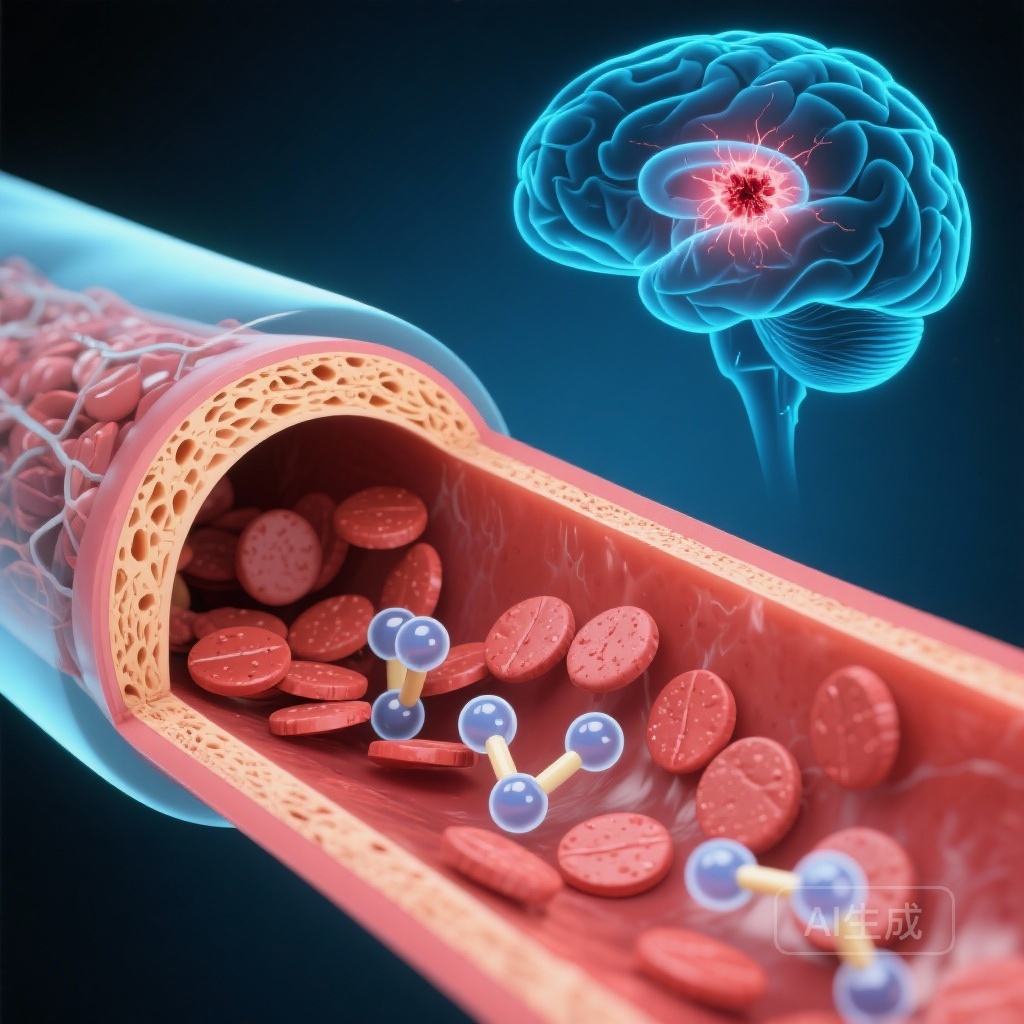
Độ đề kháng insulin cao làm giảm sự vượt trội của ticagrelor so với clopidogrel ở bệnh nhân đột quỵ nhẹ có đột biến CYP2C19

Độ đề kháng insulin cao làm giảm sự vượt trội của ticagrelor so với clopidogrel ở bệnh nhân đột quỵ nhẹ có đột biến CYP2C19

Những điểm nổi bật

Ticagrelor-ASA đã giảm đáng kể nguy cơ tái phát đột quỵ so với clopidogrel-ASA ở bệnh nhân có độ đề kháng insulin thấp (HR 0.52, KTC 95% 0.34 đến 0.79).

Lợi thế về hiệu quả của ticagrelor biến mất ở bệnh nhân có độ đề kháng insulin cao (HR 0.96, KTC 95% 0.74 đến 1.24).

Sự tương tác giữa độ đề kháng insulin và hiệu quả chống tiểu cầu độc lập với tình trạng đái tháo đường lâm sàng.

Các kết quả an toàn, bao gồm chảy máu nặng hoặc vừa, vẫn tương đương giữa các nhóm điều trị, bất kể tình trạng độ đề kháng insulin.

Bối cảnh: Thách thức của đề kháng chống tiểu cầu

Liệu pháp chống tiểu cầu kép (DAPT) với aspirin và chất ức chế P2Y12 là nền tảng của việc phòng ngừa thứ phát cho bệnh nhân bị đột quỵ thiếu máu não nhẹ cấp tính hoặc cơn thiếu máu não thoáng qua (TIA) có nguy cơ cao. Trong nhiều năm, clopidogrel là chất ức chế P2Y12 tiêu chuẩn. Tuy nhiên, hiệu quả của clopidogrel bị hạn chế bởi các biến thể di truyền, cụ thể là các đột biến mất chức năng (LOF) trong gen CYP2C19, khiến chuyển hóa clopidogrel thành dạng hoạt động bị suy yếu. Thử nghiệm CHANCE-2 đã xác định rằng ticagrelor, không yêu cầu kích hoạt chuyển hóa, vượt trội hơn clopidogrel ở những người mang đột biến CYP2C19 LOF.

Mặc dù có bước tiến này, nguy cơ tái phát các sự kiện mạch máu vẫn còn đáng kể. Bằng chứng mới xuất hiện cho thấy các yếu tố chuyển hóa, đặc biệt là độ đề kháng insulin (IR), đóng vai trò quan trọng trong tăng cường phản ứng tiểu cầu. IR không chỉ là tiền đề của đái tháo đường tuýp 2 mà còn là trạng thái viêm hệ thống, tăng cường khả năng đông máu thông qua nhiều con đường, bao gồm tăng biểu hiện của P-selectin và kích hoạt con đường axit arachidonic. Hiểu cách IR điều chỉnh phản ứng với các chất ức chế P2Y12 mạnh như ticagrelor là thiết yếu để cá nhân hóa các chiến lược phòng ngừa thứ phát.

Thiết kế nghiên cứu: Phân tích sâu sau khi thử nghiệm CHANCE-2

Nghiên cứu này là một phân tích sau khi thử nghiệm của Clopidogrel in High-Risk Patients with Acute Nondisabling Cerebrovascular Events II (CHANCE-2). Thử nghiệm gốc là một thử nghiệm ngẫu nhiên đối chứng có kiểm soát, mù đôi, đa trung tâm được thực hiện tại Trung Quốc, bao gồm bệnh nhân bị đột quỵ nhẹ hoặc TIA được xác định là người mang đột biến CYP2C19 LOF.

Phân tích bao gồm 4.954 bệnh nhân được ngẫu nhiên hóa để nhận ticagrelor (liều khởi đầu 180 mg, tiếp theo là 90 mg hai lần mỗi ngày) cộng với aspirin hoặc clopidogrel (liều khởi đầu 300 mg, tiếp theo là 75 mg mỗi ngày) cộng với aspirin. Để đánh giá độ đề kháng insulin, các nhà nghiên cứu sử dụng tỷ lệ sử dụng glucose ước tính (eGDR), một dấu hiệu thay thế đã được xác minh, được tính toán dựa trên chu vi eo, tình trạng tăng huyết áp và mức hemoglobin glycosylated (HbA1c). Giới hạn 8 mg/kg/phút được sử dụng để phân loại bệnh nhân thành nhóm độ đề kháng insulin cao (eGDR < 8) và nhóm độ đề kháng insulin thấp (eGDR ≥ 8).

Kết quả hiệu quả chính là tái phát đột quỵ (chảy máu hoặc thiếu máu) trong 90 ngày. Kết quả an toàn chính là chảy máu nặng hoặc vừa dựa trên tiêu chuẩn Global Utilization of Streptokinase and Tissue Plasminogen Activator for Occluded Coronary Arteries (GUSTO).

Các kết quả chính: Độ đề kháng insulin có quyết định sự thành công của điều trị không?

Trong số 4.954 bệnh nhân, 63,0% (n=3122) được phân loại là có độ đề kháng insulin cao, trong khi 37,0% (n=1832) có độ đề kháng insulin thấp. Đặc điểm cơ bản phản ánh gánh nặng chuyển hóa của nhóm độ đề kháng insulin cao, những người này có xu hướng có BMI cao hơn và tần suất mắc các yếu tố nguy cơ tim mạch truyền thống cao hơn.

Kết quả hiệu quả

Điểm đáng chú ý nhất là sự tương tác đáng kể giữa tình trạng độ đề kháng insulin và hiệu quả của liệu pháp chống tiểu cầu (p cho tương tác = 0,01). Ở bệnh nhân có độ đề kháng insulin thấp, ticagrelor-ASA hiệu quả hơn đáng kể so với clopidogrel-ASA, giảm nguy cơ tái phát đột quỵ gần một nửa (3,9% so với 7,8%; Hệ số nguy cơ [HR] 0,52, KTC 95% 0,34 đến 0,79).

Trái lại, đối với bệnh nhân có độ đề kháng insulin cao, lợi ích của ticagrelor biến mất. Tỷ lệ tái phát đột quỵ giống nhau ở cả hai nhóm ticagrelor và clopidogrel (7,7% so với 7,7%; HR 0,96, KTC 95% 0,74 đến 1,24). Điều thú vị là phân tích cho thấy lợi ích của ticagrelor so với clopidogrel tăng liên tục khi độ đề kháng insulin giảm (p cho tương tác = 0,03), cho thấy một hiệu ứng bậc thang thay vì một ngưỡng đơn giản.

Mâu thuẫn về đái tháo đường

Quan trọng, các nhà nghiên cứu phát hiện ra rằng kết quả này nhất quán bất kể bệnh nhân có chẩn đoán đái tháo đường hay không (p cho tương tác = 0,3). Điều này cho thấy chính độ đề kháng insulin, chứ không phải chỉ tăng đường huyết hoặc nhãn lâm sàng đái tháo đường, là yếu tố chính gây ra đề kháng chống tiểu cầu trong dân số này. Nó làm nổi bật tính hữu ích của eGDR như một dấu hiệu chuyển hóa tinh vi hơn so với đường huyết hoặc HbA1c riêng lẻ.

Kết quả an toàn

An toàn là mối quan tâm hàng đầu khi sử dụng các chất chống tiểu cầu mạnh như ticagrelor. Trong phân tích này, tỷ lệ chảy máu nặng hoặc vừa trong 90 ngày là thấp và không khác biệt đáng kể giữa các nhóm điều trị hoặc giữa các nhóm độ đề kháng insulin (p cho tương tác = 0,8). Điều này cho thấy mặc dù độ đề kháng insulin cao có thể hạn chế hiệu quả của ticagrelor, nó không làm tăng nguy cơ chảy máu nặng trong dân số đột quỵ nhẹ/TIA cụ thể này.

Bình luận chuyên gia: Hiểu biết cơ chế và ý nghĩa lâm sàng

Sự phát hiện rằng độ đề kháng insulin cao làm giảm hiệu quả của ticagrelor, ngay cả ở bệnh nhân có nguy cơ đề kháng clopidogrel do di truyền, là một vấn đề lâm sàng gây tò mò. Ticagrelor là chất ức chế P2Y12 hoạt động trực tiếp, không yêu cầu bước kích hoạt gan mà thất bại ở những người mang đột biến CYP2C19 LOF. Vì vậy, sự thiếu vượt trội ở bệnh nhân độ đề kháng insulin cao không thể quy cho các yếu tố dược lý học di truyền. Thay vào đó, nó có thể xuất phát từ sinh học của tiểu cầu trong môi trường chuyển hóa rối loạn.

Độ đề kháng insulin tạo ra một môi trường thuận lợi cho quá trình đông máu, đặc trưng bởi viêm hệ thống tăng, stress oxy hóa và giảm khả dụng nitric oxide. Tiểu cầu ở bệnh nhân độ đề kháng insulin thường biểu hiện tăng cường bề mặt của các thụ thể P2Y12 và các con đường kích hoạt thay thế có thể bỏ qua sự ức chế do các chất ức chế P2Y12 tiêu chuẩn cung cấp. Hơn nữa, độ đề kháng insulin liên quan đến mức độ cao hơn của tiểu cầu lưới (non-chín), lớn hơn, hoạt động hơn và có khả năng đề kháng hơn đối với liệu pháp chống tiểu cầu.

Từ góc độ chính sách y tế và thực hành lâm sàng, kết quả này gợi ý rằng chúng ta có thể cần phải vượt qua chiến lược “một kích thước phù hợp với tất cả” hoặc thậm chí chỉ dựa trên “loại gen” cho việc chọn chất chống tiểu cầu. Nếu các dấu hiệu sinh học độ đề kháng insulin như eGDR có thể xác định những bệnh nhân sẽ không hưởng lợi từ liệu pháp ticagrelor đắt đỏ và dùng hai lần mỗi ngày, nó có thể dẫn đến chăm sóc hiệu quả về chi phí và cá nhân hóa hơn.

Kết luận: Tiến tới phòng ngừa thứ phát chính xác

Phân tích sau khi thử nghiệm CHANCE-2 cung cấp bằng chứng vững chắc rằng độ đề kháng insulin là một yếu tố sửa đổi quan trọng của đáp ứng điều trị với DAPT ở bệnh nhân đột quỵ có đột biến CYP2C19 LOF. Mặc dù ticagrelor vẫn là lựa chọn vượt trội cho nhiều người, nhưng lợi thế của nó so với clopidogrel bị mất đi trước nguy cơ chuyển hóa cao.

Nghiên cứu trong tương lai nên tập trung vào việc liệu tăng cường liệu pháp chống tiểu cầu hoặc thêm các can thiệp chuyển hóa (như chất đồng vận GLP-1 hoặc liệu pháp statin tích cực hơn) có thể vượt qua nguy cơ đột quỵ tăng lên ở bệnh nhân độ đề kháng insulin cao hay không. Hiện tại, các bác sĩ nên xem xét độ đề kháng insulin là một thành phần quan trọng trong hồ sơ lâm sàng khi xác định chiến lược phòng ngừa thứ phát tối ưu cho đột quỵ nhẹ và TIA.

Hỗ trợ và đăng ký thử nghiệm

Thử nghiệm CHANCE-2 được hỗ trợ bởi các khoản tài trợ từ Quỹ Khoa học Tự nhiên Quốc gia Trung Quốc và Bộ Khoa học Công nghệ Cộng hòa Nhân dân Trung Quốc. ClinicalTrials.gov Identifier: NCT04078737.

Tài liệu tham khảo

1. Zhao J, Tian X, Yang X, et al. Effect of insulin resistance on ticagrelor-versus clopidogrel-based dual antiplatelet therapy for secondary prevention of stroke in carriers of CYP2C19 loss-of-function mutations. CMAJ. 2026;198(2):E36-E43. doi:10.1503/cmaj.241581.

2. Wang Y, Chen W, Lin Y, et al. Ticagrelor versus Clopidogrel in CYP2C19 Loss-of-Function Carriers with Stroke or TIA. N Engl J Med. 2021;385(27):2520-2530.

3. Johnston SC, Amarenco P, Albers GW, et al. Ticagrelor and Aspirin or Aspirin Alone in Acute Ischemic Stroke or TIA. N Engl J Med. 2020;383(3):207-217.

High Insulin Resistance Blunts the Superiority of Ticagrelor Over Clopidogrel in Minor Stroke Patients with CYP2C19 Mutations

High Insulin Resistance Blunts the Superiority of Ticagrelor Over Clopidogrel in Minor Stroke Patients with CYP2C19 Mutations

Highlights

Ticagrelor-ASA significantly reduced the risk of recurrent stroke compared to clopidogrel-ASA in patients with low insulin resistance (HR 0.52, 95% CI 0.34 to 0.79).

The efficacy advantage of ticagrelor disappeared in patients with high insulin resistance (HR 0.96, 95% CI 0.74 to 1.24).

This interaction between insulin resistance and antiplatelet efficacy was independent of clinical diabetes status.

Safety outcomes, including severe or moderate bleeding, remained comparable across treatment groups regardless of insulin resistance status.

Background: The Challenge of Antiplatelet Resistance

Dual antiplatelet therapy (DAPT) with aspirin and a P2Y12 inhibitor is the cornerstone of secondary prevention for patients with acute minor ischemic stroke or high-risk transient ischemic attack (TIA). For years, clopidogrel was the standard P2Y12 inhibitor. However, the efficacy of clopidogrel is hampered by genetic polymorphisms, specifically loss-of-function (LOF) mutations in the CYP2C19 gene, which impair the metabolic conversion of clopidogrel into its active form. The CHANCE-2 trial established that ticagrelor, which does not require metabolic activation, is superior to clopidogrel in these CYP2C19 LOF carriers.

Despite this advancement, a significant residual risk of recurrent vascular events remains. Emerging evidence suggests that metabolic factors, particularly insulin resistance (IR), play a critical role in platelet hyperreactivity. IR is not only a precursor to type 2 diabetes but also a systemic inflammatory state that enhances thrombotic potential through multiple pathways, including increased expression of P-selectin and activation of the arachidonic acid pathway. Understanding how IR modulates the response to potent P2Y12 inhibitors like ticagrelor is essential for personalizing secondary prevention strategies.

Study Design: A Deep Dive into the CHANCE-2 Post Hoc Analysis

This study was a post hoc analysis of the Clopidogrel in High-Risk Patients with Acute Nondisabling Cerebrovascular Events II (CHANCE-2) trial. The original trial was a multicenter, double-blind, randomized controlled trial conducted in China, involving patients with minor stroke or TIA who were identified as CYP2C19 LOF carriers.

The analysis included 4,954 patients who were randomized to receive either ticagrelor (180 mg loading dose, followed by 90 mg twice daily) plus aspirin or clopidogrel (300 mg loading dose, followed by 75 mg daily) plus aspirin. To assess insulin resistance, the researchers used the estimated glucose disposal rate (eGDR), a validated surrogate marker calculated based on waist circumference, hypertension status, and glycated hemoglobin (HbA1c) levels. A cut-off of 8 mg/kg/min was used to categorize patients into high insulin resistance (eGDR < 8) and low insulin resistance (eGDR ≥ 8) groups.

The primary efficacy outcome was recurrent stroke (ischemic or hemorrhagic) within 90 days. The primary safety outcome was severe or moderate bleeding based on the Global Utilization of Streptokinase and Tissue Plasminogen Activator for Occluded Coronary Arteries (GUSTO) criteria.

Key Findings: Does Insulin Resistance Dictate Treatment Success?

Among the 4,954 patients, 63.0% (n=3122) were classified as having high insulin resistance, while 37.0% (n=1832) had low insulin resistance. The baseline characteristics reflected the metabolic burden of the high-IR group, who were more likely to have higher BMIs and a higher prevalence of traditional cardiovascular risk factors.

Efficacy Outcomes

The most striking finding was the significant interaction between insulin resistance status and the efficacy of the antiplatelet regimen (p for interaction = 0.01). In patients with low insulin resistance, ticagrelor-ASA was markedly more effective than clopidogrel-ASA, reducing the risk of recurrent stroke by nearly half (3.9% vs. 7.8%; Hazard Ratio [HR] 0.52, 95% CI 0.34 to 0.79).

In contrast, for patients with high insulin resistance, the benefit of ticagrelor vanished. The stroke recurrence rate was identical in both the ticagrelor and clopidogrel arms (7.7% vs. 7.7%; HR 0.96, 95% CI 0.74 to 1.24). Interestingly, the analysis showed that the benefit of ticagrelor over clopidogrel increased continuously as insulin resistance decreased (p for interaction = 0.03), suggesting a gradient effect rather than a simple threshold.

The Diabetes Paradox

Crucially, the researchers found that these results were consistent regardless of whether the patients had a formal diagnosis of diabetes (p for interaction = 0.3). This suggests that insulin resistance itself, rather than just hyperglycemia or the clinical label of diabetes, is the primary driver of antiplatelet non-responsiveness in this population. It highlights the utility of eGDR as a more nuanced metabolic marker than blood glucose or HbA1c alone.

Safety Outcomes

Safety is a paramount concern when using potent antiplatelet agents like ticagrelor. In this analysis, the rates of severe or moderate bleeding within 90 days were low and did not differ significantly between the treatment groups or across insulin resistance categories (p for interaction = 0.8). This indicates that while high insulin resistance may limit the efficacy of ticagrelor, it does not appear to disproportionately increase the risk of major bleeding complications in this specific minor stroke/TIA population.

Expert Commentary: Mechanistic Insights and Clinical Implications

The finding that high IR blunts the efficacy of ticagrelor, even in patients who are genetically predisposed to clopidogrel resistance, is clinically provocative. Ticagrelor is a direct-acting P2Y12 inhibitor that does not require the hepatic activation step that fails in CYP2C19 LOF carriers. Therefore, the lack of superiority in high-IR patients cannot be attributed to pharmacogenomic factors. Instead, it likely stems from the biology of the platelet itself in a metabolically deranged environment.

Insulin resistance creates a pro-thrombotic milieu characterized by increased systemic inflammation, oxidative stress, and impaired nitric oxide bioavailability. Platelets in IR patients often exhibit increased surface expression of P2Y12 receptors and alternative activation pathways that may bypass the inhibition provided by standard P2Y12 blockers. Furthermore, IR is associated with higher levels of reticulated (immature) platelets, which are larger, more active, and potentially more resistant to antiplatelet therapy.

From a health policy and clinical practice perspective, these results suggest that we may need to move beyond “one-size-fits-all” or even “genotype-only” strategies for antiplatelet selection. If insulin resistance biomarkers like eGDR can identify patients who will not benefit from the more expensive and twice-daily ticagrelor regimen, it could lead to more cost-effective and personalized care.

Conclusion: Moving Toward Precision Secondary Prevention

The post hoc analysis of the CHANCE-2 trial provides robust evidence that insulin resistance is a critical modifier of the therapeutic response to DAPT in stroke patients with CYP2C19 LOF mutations. While ticagrelor remains a superior choice for many, its edge over clopidogrel is lost in the face of high metabolic risk.

Future research should focus on whether intensifying antiplatelet therapy or adding metabolic interventions (such as GLP-1 receptor agonists or more aggressive statin therapy) can overcome the increased stroke risk in high-IR patients. For now, clinicians should consider insulin resistance as a vital component of the clinical profile when determining the optimal secondary prevention strategy for minor stroke and TIA.

Funding and Trial Registration

The CHANCE-2 trial was supported by grants from the National Natural Science Foundation of China and the Ministry of Science and Technology of the People’s Republic of China. ClinicalTrials.gov Identifier: NCT04078737.

References

1. Zhao J, Tian X, Yang X, et al. Effect of insulin resistance on ticagrelor-versus clopidogrel-based dual antiplatelet therapy for secondary prevention of stroke in carriers of CYP2C19 loss-of-function mutations. CMAJ. 2026;198(2):E36-E43. doi:10.1503/cmaj.241581.

2. Wang Y, Chen W, Lin Y, et al. Ticagrelor versus Clopidogrel in CYP2C19 Loss-of-Function Carriers with Stroke or TIA. N Engl J Med. 2021;385(27):2520-2530.

3. Johnston SC, Amarenco P, Albers GW, et al. Ticagrelor and Aspirin or Aspirin Alone in Acute Ischemic Stroke or TIA. N Engl J Med. 2020;383(3):207-217.

Comments

No comments yet. Why don’t you start the discussion?

Để lại một bình luận