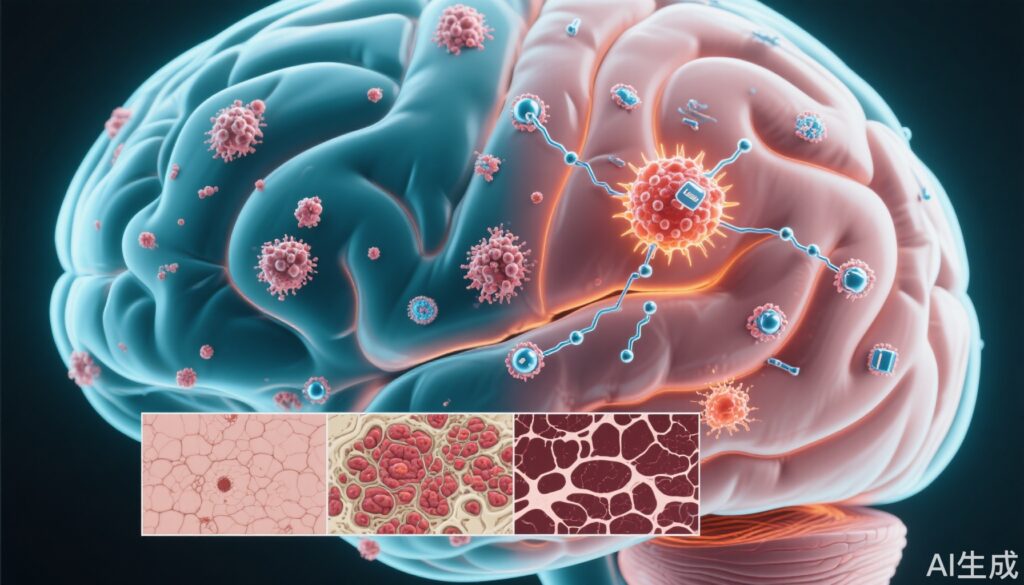
Research reveals how psychedelics modulate immune-to-brain communication to reduce fear, offering new therapeutic avenues for stress-related psychiatric disorders.
Adding a very-low-calorie diet to exercise yields no additional pain relief for overweight or obese adults with hip osteoarthritis, despite greater weight loss.
AI offers transformative potential for clinical trials, but realizing its value demands a robust, stakeholder-driven framework to guide adoption and assess impact across the trial lifecycle.
This study assesses ChatGPT-4's effectiveness as a virtual assistant in managing puerperal mastitis, focusing on accuracy, clarity, and safety in patient communication.
Weekly darbepoetin in extremely preterm infants increases red cell mass and reduces transfusion needs, but does not improve cognitive outcomes at 22-26 months' corrected age.
Recent meta-analysis finds no significant benefit of standalone safety planning interventions in reducing suicidal ideation or behavior among adolescents, highlighting the need for more robust research.
A randomized clinical trial demonstrates that an Acceptance and Commitment Therapy-based parenting program reduces health care use, improves asthma control, and alleviates ADHD symptoms in children with both conditions.
The DASH4D trial demonstrates that sodium reduction, alongside a tailored DASH diet, significantly lowers blood pressure in adults with type 2 diabetes, most of whom already use multiple antihypertensive medications.
A randomized trial assessing the impact of Nurse-Family Partnership home visits on child health and utilization over two years found no significant reduction in adverse outcomes but some decrease in emergency department use.
New data show an increased risk of heart failure among elderly Medicare patients initiating pregabalin versus gabapentin for chronic noncancer pain, particularly in those with cardiovascular disease history.
ROC plus behavioral weight loss outperformed CBT in reducing binge eating among veterans, with transient advantages in weight loss. Long-term weight outcomes require further research.
Managing disease-modifying therapies (DMTs) during pregnancy in women with multiple sclerosis significantly affects relapse risk, with anti-CD20 strategies demonstrating superior protection compared to other approaches.
A multisite RCT found no difference in time to full enteral feeds between donor human milk and formula in moderate to late preterm infants, but formula was associated with faster weight regain.
A large US-based study found a greater than fivefold increased risk of benign salivary gland tumors, especially parotid tumors, in individuals with cannabis use disorder.
Mass azithromycin administration to both infants and older children reduced infant mortality more than treating infants alone, with potential spillover benefits from treating older siblings.
A multicenter study in Japan found that adequate daptomycin dosing significantly improves clinical outcomes in pediatric patients, while adverse events can occur regardless of renal function.
Perinatal antibiotic exposure in preterm infants disrupts gut microbiota composition, increasing pathogenic bacteria and reducing beneficial species, with implications for infection risk and the protective role of breastfeeding.
Minority children and those from lower socioeconomic backgrounds receive significantly more and broader-spectrum antibiotics for pneumonia during hospitalization than non-Hispanic White counterparts, contrary to outpatient trends.
Lung cancer therapy has evolved from rudimentary surgery and misdiagnosis to a precision medicine era, markedly improving outcomes through targeted therapies and immunotherapy.