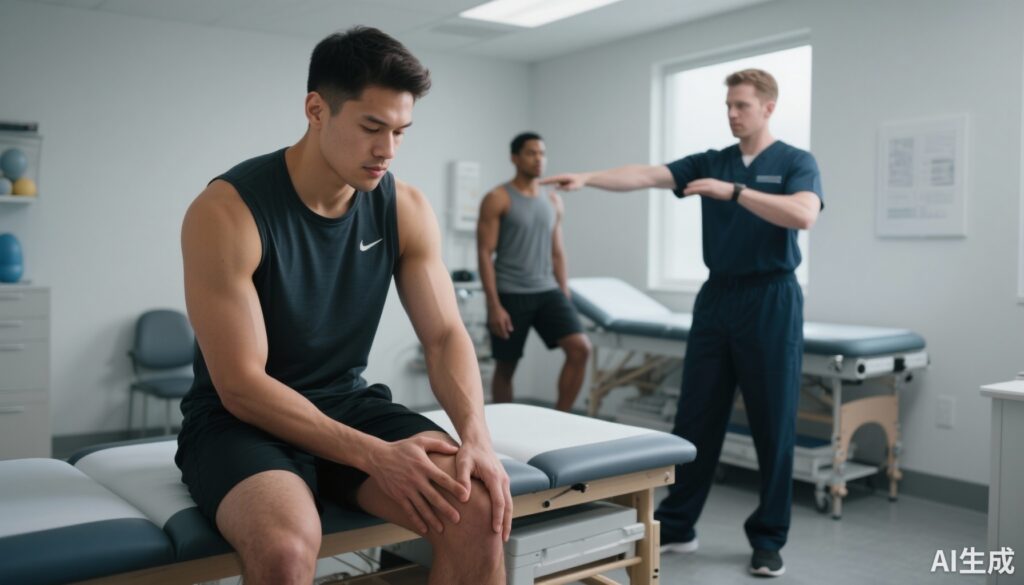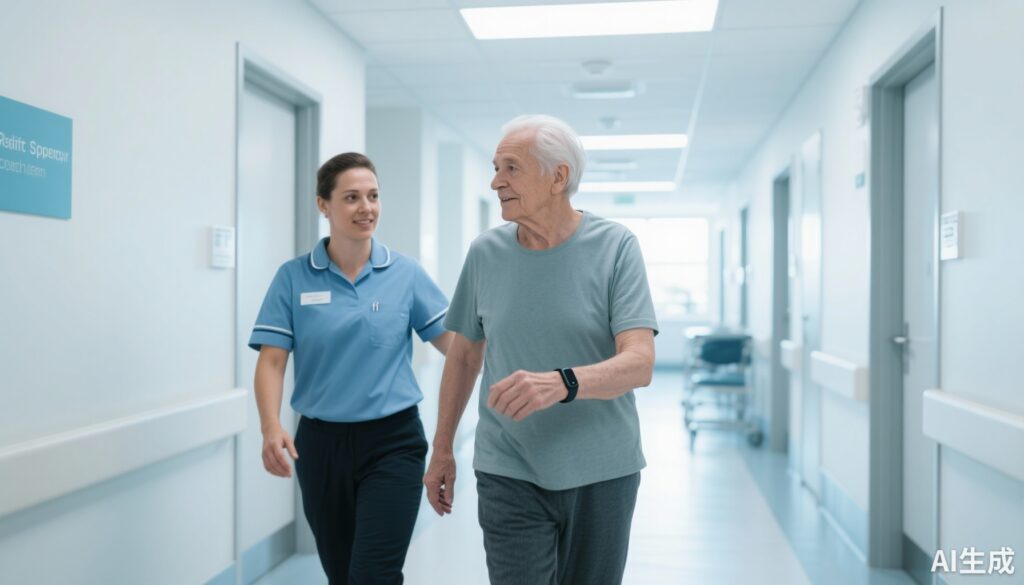
Wearables and Behaviour Change Work Best: Physical Activity Interventions After Hip and Knee Arthroplasty Improve Steps but Not Sedentary Time

Wearables and Behaviour Change Work Best: Physical Activity Interventions After Hip and Knee Arthroplasty Improve Steps but Not Sedentary Time

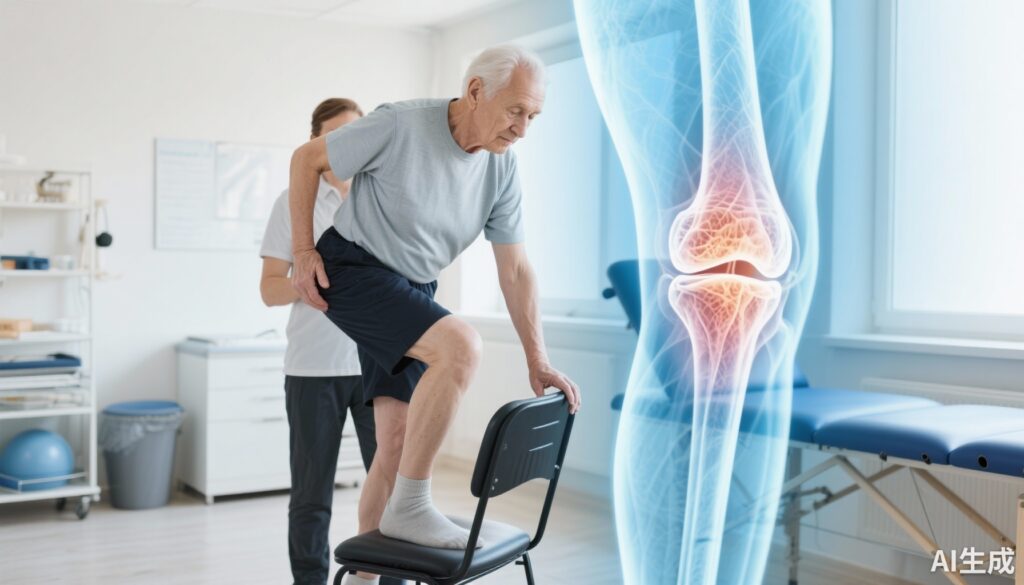
A meta-analysis of 23 RCTs (n≈1,265) found small but reliable increases in physical activity after hip or knee arthroplasty, driven by step-count gains and greater effects when interventions used wearable activity trackers, behaviour-change techniques, and were started early; effects on sedentary behaviour were uncertain.
Selective JAK2 Inhibition OB756 Shows Promise in Hydroxyurea/Interferon‑Intolerant or -Resistant Essential Thrombocythemia

Selective JAK2 Inhibition OB756 Shows Promise in Hydroxyurea/Interferon‑Intolerant or -Resistant Essential Thrombocythemia

A Phase II multicenter study reports that OB756, a selective JAK2 inhibitor, is active and reasonably well tolerated in hydroxyurea- or interferon-intolerant/resistant essential thrombocythemia, producing platelet and leukocyte control, spleen volume reduction, symptom improvement and reductions in JAK2 V617F allele burden.
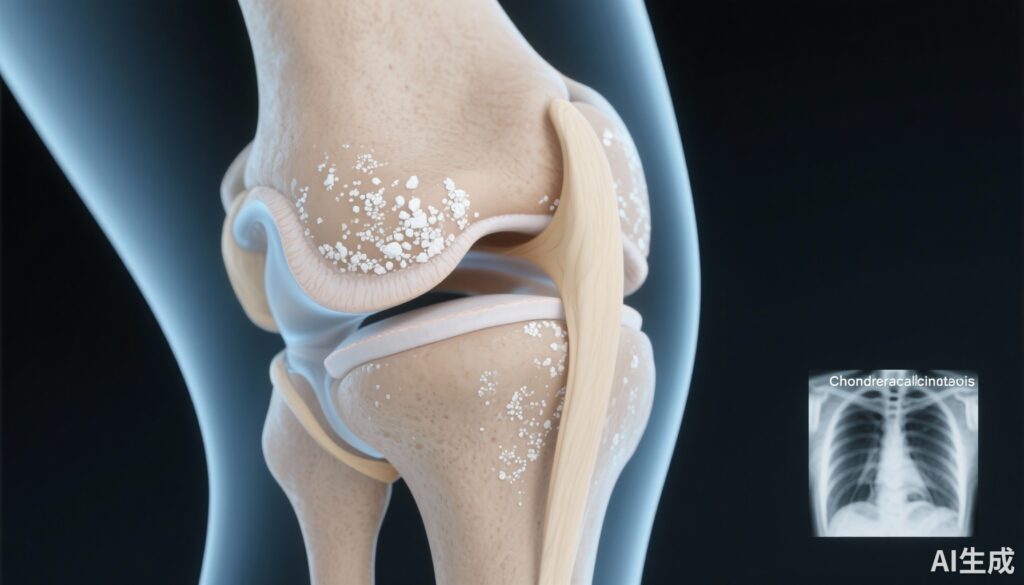
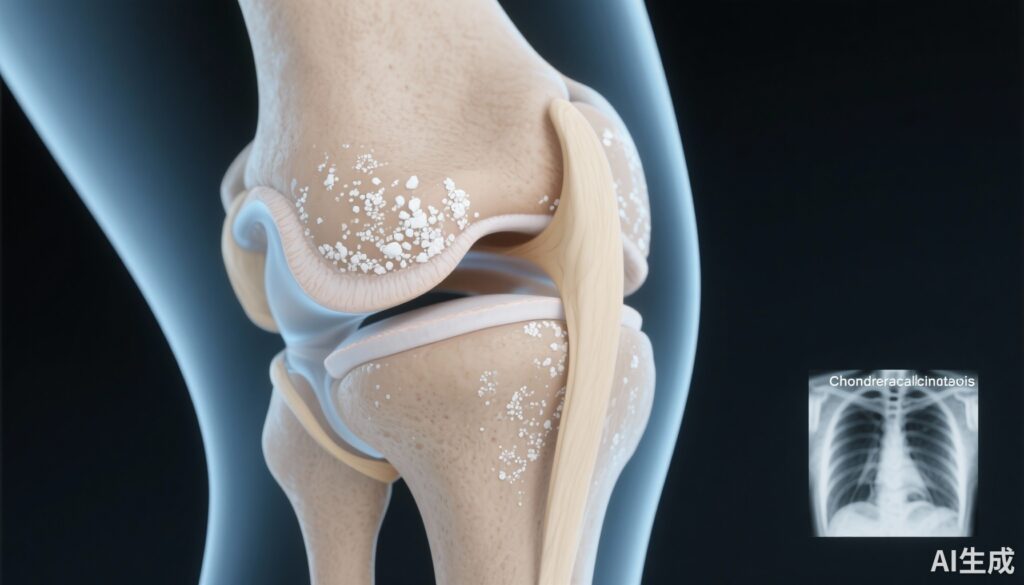
コンドロカルシン症は新規膝関節症の発症を予測する

コンドロカルシン症は新規膝関節症の発症を予測する

2つの大規模縦断研究は、基線時のコンドロカルシン症が長期フォローアップ中に放射線学的に確認された膝関節症の発症確率を約75%上昇させることを示しています。これは、カルシウム結晶沈着がOAの病態生理に寄与している可能性を示唆しています。
Two-thirds of ACL-injured Patients Avoid Surgery at 2 Years: Nationwide Registry Shows Rehab-first Strategy Often Works but Younger, Pivoting-sport Athletes and Meniscal Tears Predict Delayed Reconstruction

Two-thirds of ACL-injured Patients Avoid Surgery at 2 Years: Nationwide Registry Shows Rehab-first Strategy Often Works but Younger, Pivoting-sport Athletes and Meniscal Tears Predict Delayed Reconstruction

A Norwegian registry study reports that 63% of patients with primary ACL injury initially managed non‑operatively remained non‑operative at two years; younger age, participation in pivoting sports and baseline meniscal injury increased risk of delayed ACL reconstruction, while 2‑year KOOS scores were similar.