Higher Pre-Race Training Exposure but Reduced Training Frequency Associated with Faster Boston Marathon Times

Higher Pre-Race Training Exposure but Reduced Training Frequency Associated with Faster Boston Marathon Times

In 917 Boston Marathon registrants, higher habitual running volume and more quality sessions in the year preceding the race — paired with a relative reduction in training frequency in the last four months — were associated with faster race times after accounting for demographics and experience.
Optimizing Muscle Recovery: Evidence-Based Insights on Cold, Heat, Contrast, and Hypoxia Therapies for Post-Exercise Muscle Damage

Optimizing Muscle Recovery: Evidence-Based Insights on Cold, Heat, Contrast, and Hypoxia Therapies for Post-Exercise Muscle Damage

This review synthesizes evidence from randomized controlled trials on environmental stress-based therapies—cold, heat, contrast, and hypoxia—for enhancing muscle recovery after exercise-induced muscle damage, emphasizing the importance of application modalities for therapeutic efficacy.
Low Energy Availability Blunts Muscle and Functional Gains: What Clinicians and Coaches Need to Know

Low Energy Availability Blunts Muscle and Functional Gains: What Clinicians and Coaches Need to Know

A 2025 systematic review finds low energy availability (LEA) is associated with impaired neuromusculoskeletal training responses—reduced gains in lean mass and function and consistent deficits in strength, cellular markers and subjective recovery—highlighting the need to screen and restore energy before hypertrophy-focused rehabilitation.
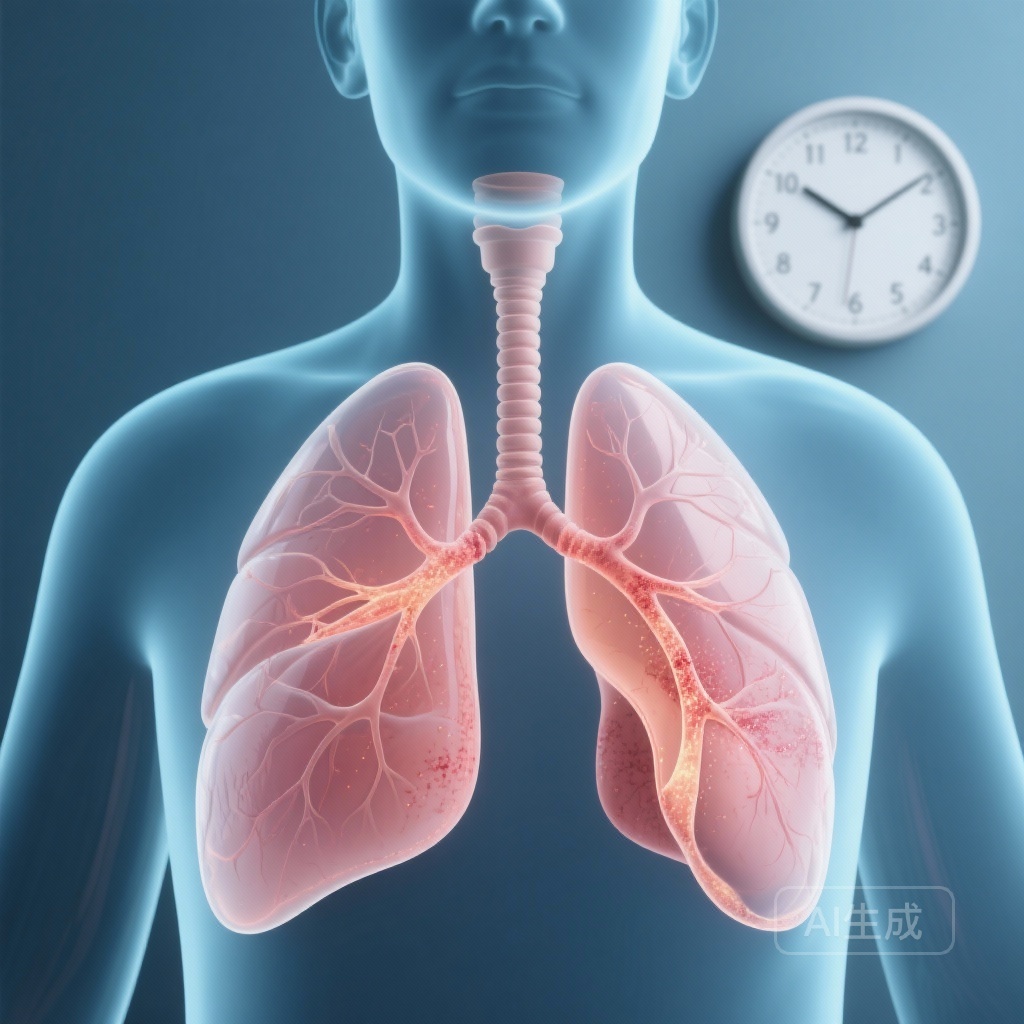
Brensocatib Shows Imaging Signals of Structural Benefit in Non‑CF Bronchiectasis: CT Substudy from ASPEN Suggests Reduced Mucus Plugging and Modest Airway Change

Brensocatib Shows Imaging Signals of Structural Benefit in Non‑CF Bronchiectasis: CT Substudy from ASPEN Suggests Reduced Mucus Plugging and Modest Airway Change

A 100‑patient CT substudy from the ASPEN program found that brensocatib, especially the 25‑mg dose, reduced mucus plugging and increased healthy parenchyma at 52 weeks, providing preliminary imaging evidence that it may modify disease biology in noncystic fibrosis bronchiectasis.
Wearables and Behaviour Change Work Best: Physical Activity Interventions After Hip and Knee Arthroplasty Improve Steps but Not Sedentary Time

Wearables and Behaviour Change Work Best: Physical Activity Interventions After Hip and Knee Arthroplasty Improve Steps but Not Sedentary Time

A meta-analysis of 23 RCTs (n≈1,265) found small but reliable increases in physical activity after hip or knee arthroplasty, driven by step-count gains and greater effects when interventions used wearable activity trackers, behaviour-change techniques, and were started early; effects on sedentary behaviour were uncertain.