Congenital CMV in Australia: Reported Cases Are a Small Fraction of Estimated Burden — Implications for Screening, Treatment, and Public Health

Congenital CMV in Australia: Reported Cases Are a Small Fraction of Estimated Burden — Implications for Screening, Treatment, and Public Health

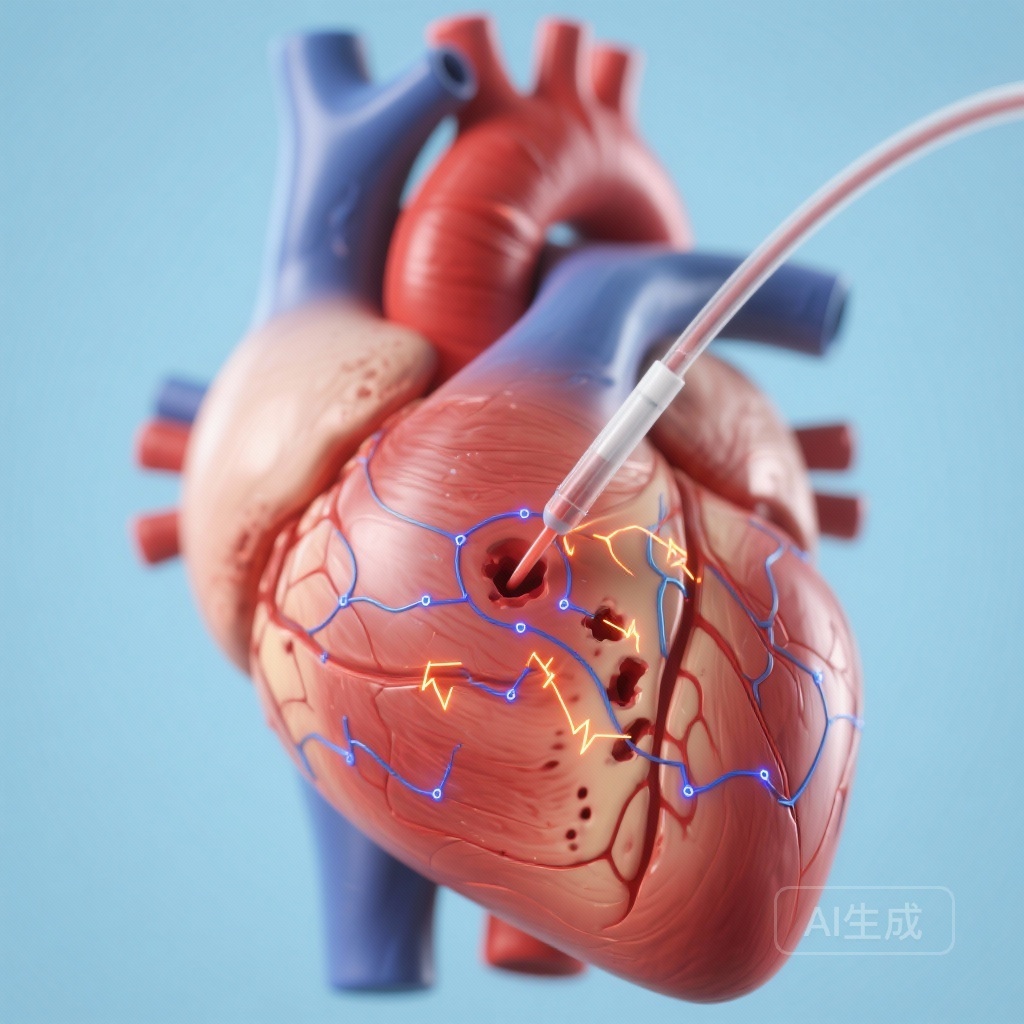
National APSU surveillance (1999–2024) found 479 definite congenital CMV cases and dramatic under-ascertainment versus expected prevalence; symptomatic infants increasingly receive antivirals. Expanded surveillance, newborn screening, and clear treatment pathways are needed.
Higher Early IV Fluid Rates Tied to More SIRS but Lower BUN Rise in Acute Pancreatitis: Findings From an International Cohort Presented at ACG 2025

Higher Early IV Fluid Rates Tied to More SIRS but Lower BUN Rise in Acute Pancreatitis: Findings From an International Cohort Presented at ACG 2025

An international prospective cohort found that higher early IV fluid rates were associated with lower odds of BUN rise but higher odds of new or persistent SIRS at 6 and 24 hours after presentation, highlighting confounding issues and the need to individualize resuscitation.
Unilateral Pediatric Chronic Otitis Media with Effusion Impairs Binaural Hearing and Raises Tinnitus Risk: Evidence Challenging Conservative Management

Unilateral Pediatric Chronic Otitis Media with Effusion Impairs Binaural Hearing and Raises Tinnitus Risk: Evidence Challenging Conservative Management

A prospective cross-sectional study finds unilateral chronic otitis media with effusion (COME) in children is associated with poorer spatial release from masking and high tinnitus prevalence, suggesting potential central auditory consequences that may warrant reappraisal of conservative treatment recommendations.
Obesity Alters Symptom Trajectory and Inflammatory Signatures after Sport-Related Concussion: the NCAA‑DoD CARE Consortium

Obesity Alters Symptom Trajectory and Inflammatory Signatures after Sport-Related Concussion: the NCAA‑DoD CARE Consortium

In a large prospective cohort, obese BMI (≥30) was associated with worse post-concussion neurocognitive outcomes and a persistently proinflammatory blood biomarker profile, despite fewer baseline symptoms. Findings suggest obesity modifies clinical recovery and biological response after sport-related concussion.
Red Blood Cell Metabolism Modulates Muscle Oxygenation and Limits Exercise Capacity: Insights from a Randomized Double‑Blind Crossover Study

Red Blood Cell Metabolism Modulates Muscle Oxygenation and Limits Exercise Capacity: Insights from a Randomized Double‑Blind Crossover Study

A randomized crossover study in 20 men shows exercise‑induced oxidative stress alters erythrocyte redox and glycolytic metabolism, reduces 2,3‑BPG/ATP generation, and modestly impairs muscle oxygen extraction and arm exercise VO2peak, suggesting erythrocyte metabolism can influence exercise performance.
Ankle and Knee Dominance, Female Vulnerability, and Game-Time Risk: Contemporary Injury Incidence in Basketball Players

Ankle and Knee Dominance, Female Vulnerability, and Game-Time Risk: Contemporary Injury Incidence in Basketball Players

Systematic review and meta-analysis of 22 studies finds player contact and non-contact mechanisms dominate; ankle (25.8%) and knee (15.5%) injuries account for 41% of injuries. Females have higher rates of knee, concussion, and ball-contact injuries; injury rates are higher in games and at collegiate level.