Rethinking Rhythm Management: Catheter Ablation Outperforms Medical Therapy in Atrial Fibrillation Patients with High Comorbidity Burden

Rethinking Rhythm Management: Catheter Ablation Outperforms Medical Therapy in Atrial Fibrillation Patients with High Comorbidity Burden

A post hoc analysis of the CABANA trial reveals that catheter ablation significantly reduces major cardiovascular events and improves quality of life in AF patients with high comorbidity burden (≥4 conditions), suggesting that multimorbidity should not be a barrier to invasive rhythm control strategies.
Atorvastatin Attenuates Aneurysmal Wall Inflammation in Vertebrobasilar Dissecting Aneurysms: Insights from a Randomized Controlled Trial

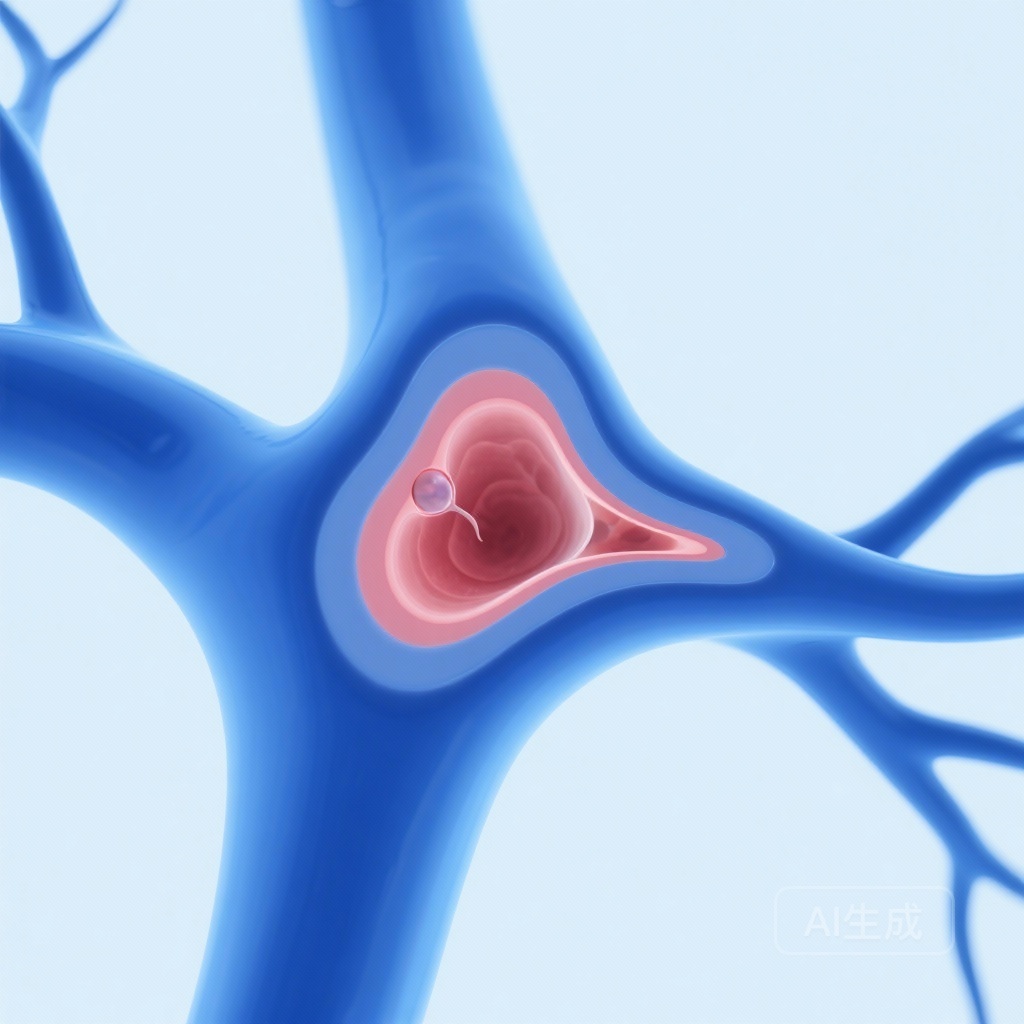
Atorvastatin Attenuates Aneurysmal Wall Inflammation in Vertebrobasilar Dissecting Aneurysms: Insights from a Randomized Controlled Trial

A randomized controlled trial demonstrates that 6-month atorvastatin treatment significantly reduces aneurysm wall enhancement and systemic inflammatory markers in patients with unruptured vertebrobasilar dissecting aneurysms, potentially offering a non-invasive stabilizing therapy for these high-risk lesions.
Predicting Stroke Recurrence: MRI Markers Outperform Location in Risk-Stratifying Patients with ICH and Atrial Fibrillation

Predicting Stroke Recurrence: MRI Markers Outperform Location in Risk-Stratifying Patients with ICH and Atrial Fibrillation

A secondary analysis of the PRESTIGE-AF trial reveals that specific MRI markers, including cortical superficial siderosis and macrohemorrhages, are more potent predictors of recurrent intracerebral hemorrhage than hematoma location alone, offering a path toward individualized anticoagulation strategies.
Edaravone Dexborneol Improves Functional Recovery Following Endovascular Thrombectomy: Primary Results from the TASTE-2 Trial

Edaravone Dexborneol Improves Functional Recovery Following Endovascular Thrombectomy: Primary Results from the TASTE-2 Trial

The multicenter TASTE-2 trial reveals that edaravone dexborneol significantly increases the likelihood of functional independence at 90 days for acute ischaemic stroke patients undergoing thrombectomy, particularly those presenting with a clinical-radiological mismatch, while maintaining a safety profile comparable to placebo.
Six Months of Intermittent Fasting: Potent Lipid Lowering but Limited Impact on Vascular and Glycemic Markers

Six Months of Intermittent Fasting: Potent Lipid Lowering but Limited Impact on Vascular and Glycemic Markers

A randomized controlled trial investigates the 6-month effects of intermittent fasting on overweight adults, revealing significant improvements in lipid profiles and body composition despite neutral effects on blood pressure and glucose metabolism, alongside novel transcriptomic insights into GLP-1 signaling.