Beyond the Gut: Understanding the High Prevalence and Clinical Impact of JAK Inhibitor-Induced Acne in IBD

Beyond the Gut: Understanding the High Prevalence and Clinical Impact of JAK Inhibitor-Induced Acne in IBD

An international multicenter study reveals that acne is a frequent adverse event in IBD patients treated with JAK inhibitors, particularly upadacitinib. The research highlights dose-dependency, significant psychosocial impacts, and the critical need for proactive dermatological management in clinical practice.

Sacituzumab Govitecan plus Pembrolizumab Extends Progression-Free Survival in First-Line PD-L1-Positive Advanced TNBC

Sacituzumab Govitecan plus Pembrolizumab Extends Progression-Free Survival in First-Line PD-L1-Positive Advanced TNBC

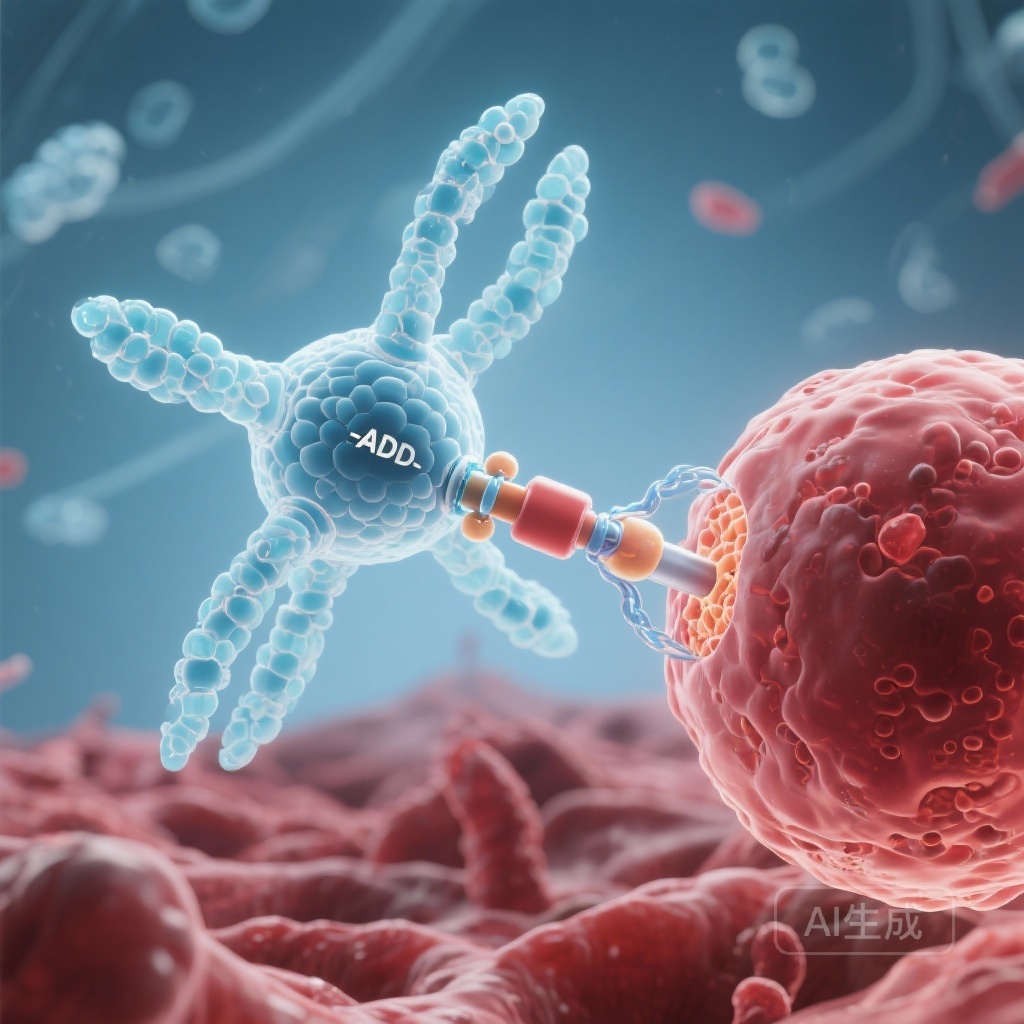
The phase 3 ASCENT-04/KEYNOTE-D19 trial demonstrates that sacituzumab govitecan plus pembrolizumab significantly improves progression-free survival and duration of response compared to standard chemotherapy plus pembrolizumab in patients with previously untreated, PD-L1-positive advanced triple-negative breast cancer.
Ultra-Early ILR Implantation Post-Cryptogenic Stroke Dramatically Improves Silent AF Detection: Insights from the CRIPTOFAST Trial

Ultra-Early ILR Implantation Post-Cryptogenic Stroke Dramatically Improves Silent AF Detection: Insights from the CRIPTOFAST Trial

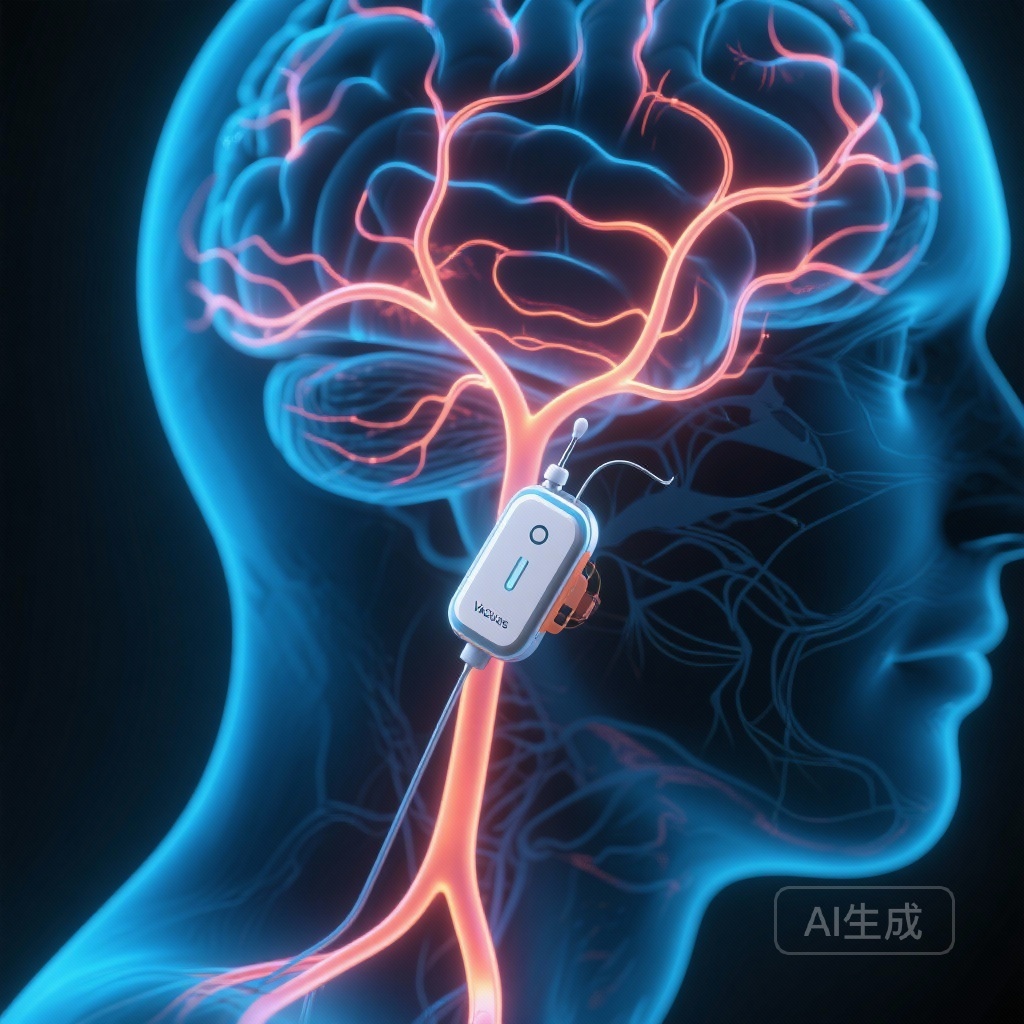
The CRIPTOFAST trial demonstrates that ultra-early implantation of internal loop recorders significantly increases silent atrial fibrillation detection in cryptogenic stroke patients, particularly those with subtle left atrial anomalies, offering a targeted approach to secondary stroke prevention.
Low-Dose Rivaroxaban Fails to Halt Cognitive Decline in Low-Risk Atrial Fibrillation: Results from the BRAIN-AF Trial

Low-Dose Rivaroxaban Fails to Halt Cognitive Decline in Low-Risk Atrial Fibrillation: Results from the BRAIN-AF Trial

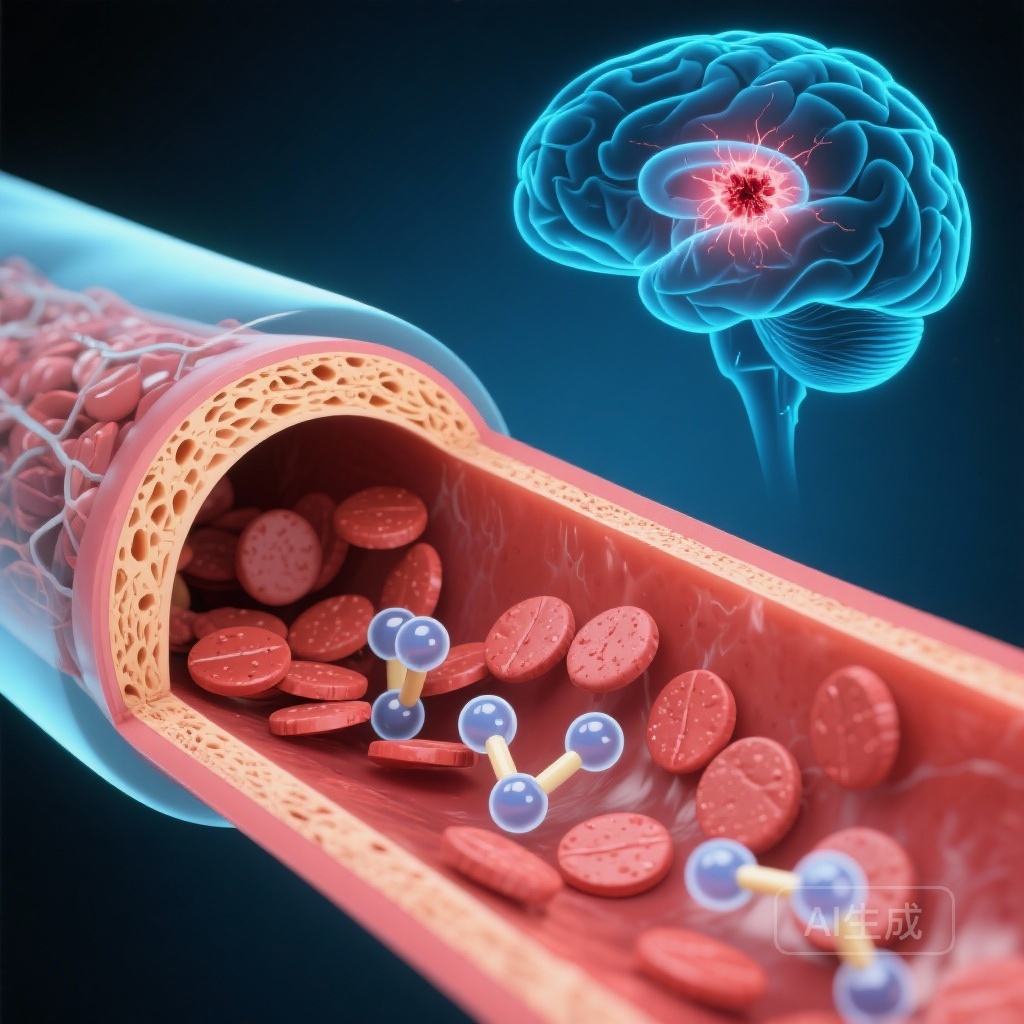
The multicenter BRAIN-AF trial found that rivaroxaban did not prevent cognitive decline or stroke in patients with atrial fibrillation and low CHA2DS2-VASc scores. Despite significant cognitive deterioration observed across both groups, the trial was halted early for futility, highlighting the complexity of AF-related neurocognitive impairment.
Genetic Risk Profile Predicts Stroke Prevention Benefit From Continuous Atrial Fibrillation Screening: A Secondary Analysis of the LOOP Study

Genetic Risk Profile Predicts Stroke Prevention Benefit From Continuous Atrial Fibrillation Screening: A Secondary Analysis of the LOOP Study

A secondary analysis of the LOOP study demonstrates that continuous ECG screening with implantable loop recorders significantly reduces stroke and systemic embolism in individuals with high genetic risk for atrial fibrillation, while potentially increasing bleeding risk in lower-risk cohorts.
Proteomic Signatures in Atrial Fibrillation: Deciphering the Risk of Heart Failure Hospitalization and Ejection Fraction Phenotypes

Proteomic Signatures in Atrial Fibrillation: Deciphering the Risk of Heart Failure Hospitalization and Ejection Fraction Phenotypes

This study identifies key plasma biomarkers—including NT-proBNP, FGF-23, and GDF-15—that predict heart failure hospitalization in patients with atrial fibrillation. Findings also reveal distinct pathophysiological pathways for HFrEF and HFpEF, highlighting the roles of inflammation and adipose metabolism.