Highlights
The VITALITY trial, a large-scale randomized controlled study, investigated the impact of vitamin D and calcium on bone health in adolescents living with HIV. Key findings include:
- Overall, high-dose vitamin D3 (20,000 IU weekly) and calcium carbonate (500 mg daily) did not show a statistically significant difference in bone mineral density across the entire study population.
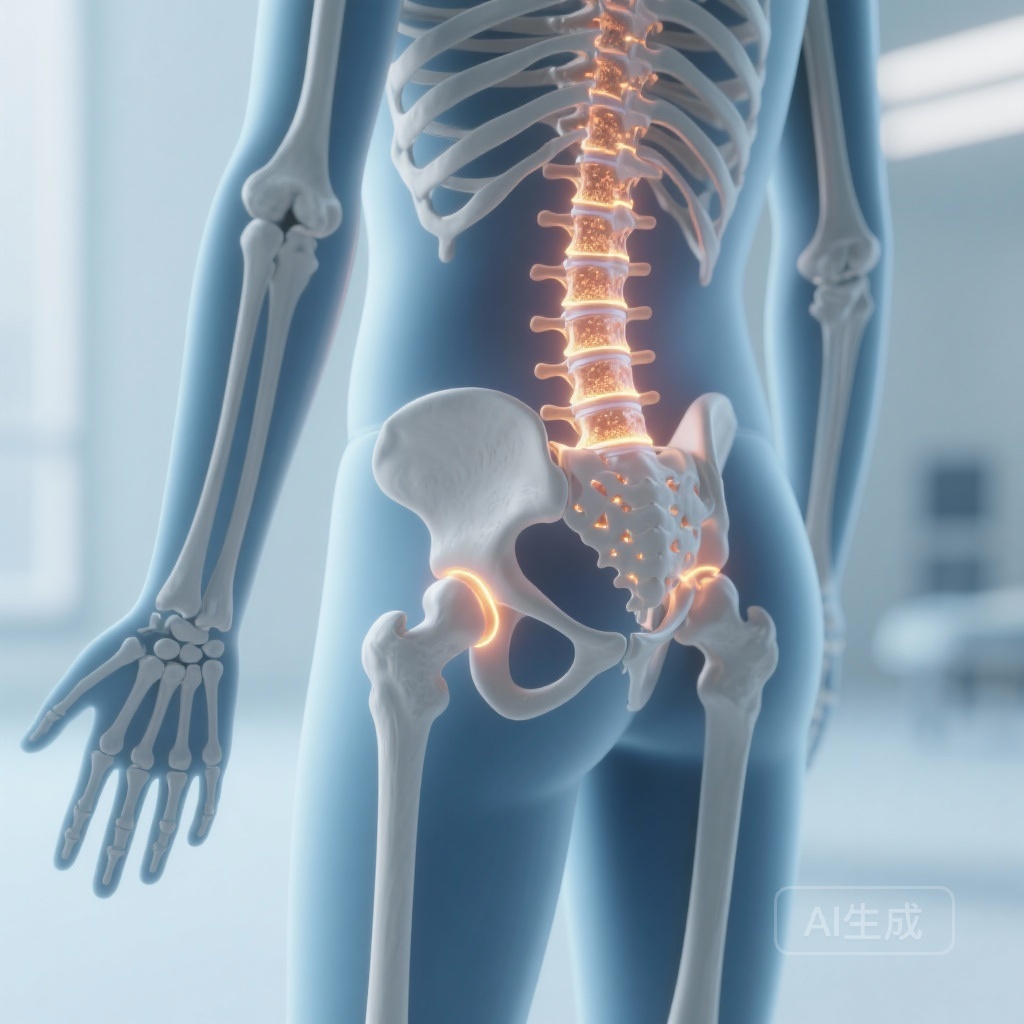
- In a crucial subgroup analysis, participants with baseline vitamin D insufficiency showed significant improvements in lumbar spine bone mineral apparent density (LS-BMAD) after 48 weeks of supplementation.
- The intervention was found to be safe, with no drug-related severe adverse events reported, supporting its potential as a low-cost public health intervention.
- Vitamin D insufficiency was highly prevalent (76%) among adolescents with HIV in the study regions of Zimbabwe and Zambia, highlighting a significant unmet clinical need.
Background and Clinical Context
The transition from childhood to adulthood is a critical window for skeletal development, during which approximately 40% of peak bone mass is acquired. For adolescents living with HIV, this process is frequently compromised. Despite the life-saving benefits of antiretroviral therapy (ART), children and adolescents with perinatally acquired HIV often exhibit lower bone mineral density (BMD) compared to their HIV-negative peers. This deficit is attributed to a multifactorial interplay of chronic inflammation, nutritional deficiencies, and the potential bone-toxic effects of specific antiretroviral agents, such as tenofovir disoproxil fumarate (TDF).
Low peak bone mass in adolescence is a strong predictor of osteoporosis and fragility fractures later in life. Therefore, identifying safe and accessible interventions to optimize bone accrual in this vulnerable population is a major clinical priority, particularly in sub-Saharan Africa, where the burden of pediatric HIV remains high and access to specialized bone health monitoring is limited.
Study Design and Methodology
The VITALITY trial was an individually randomized, double-blind, placebo-controlled trial conducted across HIV clinics in Harare, Zimbabwe, and Lusaka, Zambia. The study enrolled 842 peripubertal individuals (aged 11–19 years) with perinatally acquired HIV who had been on ART for at least six months.
Participants were randomized to receive either high-dose weekly vitamin D3 (20,000 IU) and daily calcium carbonate (500 mg) or matching placebos for 48 weeks. The primary endpoint was the change in total body less-head bone mineral density (TBLH-BMD) Z score, measured by dual-energy x-ray absorptiometry (DXA). The secondary endpoint was the lumbar spine bone mineral apparent density (LS-BMAD) Z score, which is a more accurate measure of bone density in growing children as it accounts for bone size.
The researchers conducted pre-specified subgroup analyses to identify which populations might benefit most, focusing on factors such as baseline vitamin D levels, TDF use, and pubertal stage. Statistical analysis utilized linear regression adjusting for country and baseline values.
Key Findings and Statistical Analysis
The trial population had a median age of 15 years, with a nearly even split between female (53%) and male (47%) participants. A striking 76% of participants (639/842) were found to be vitamin D insufficient (defined as 25[OH]D <75 nmol/L) at the start of the study.
Primary and Secondary Outcomes
At 48 weeks, data were available for 751 participants. In the intention-to-treat analysis of the entire cohort, the intervention did not result in a significant difference in bone density. For TBLH-BMD Z score, the adjusted mean difference was -0.04 (95% CI -0.01 to 0.09). Similarly, for LS-BMAD Z score, the adjusted mean difference was -0.05 (95% CI -0.01 to 0.12).
Subgroup Efficacy
The most clinically significant finding emerged from the subgroup of participants who were vitamin D insufficient at baseline. In these individuals, the intervention led to a significantly higher LS-BMAD Z score compared to the control group (adjusted mean difference 0.09, 95% CI 0.02 to 0.16, p-interaction = 0.025). The improvement in TBLH-BMD Z score in this subgroup was 0.06 (95% CI 0.00 to 0.11), though the interaction p-value (0.15) did not reach traditional significance levels.
Safety Profile
The safety data were highly encouraging. There were no drug-related severe adverse events observed throughout the 48-week period. This suggests that high-dose vitamin D3 and calcium supplementation is well-tolerated in adolescents living with HIV, even when administered over a prolonged period.
Expert Commentary and Clinical Interpretation
The VITALITY trial provides a nuanced perspective on nutritional supplementation in pediatric HIV care. While the study did not support universal supplementation for all adolescents on ART, it strongly advocates for a targeted approach. The significant benefit observed in those with baseline vitamin D insufficiency suggests that skeletal health in this population is highly sensitive to nutritional status.
From a mechanistic standpoint, vitamin D is essential for intestinal calcium absorption and the regulation of parathyroid hormone, both of which are critical for bone mineralization. Adolescents with HIV may have higher requirements for these nutrients due to persistent immune activation and the metabolic demands of catch-up growth. The findings suggest that correcting a deficiency during the peripubertal window can meaningfully enhance bone accrual at the lumbar spine, a site highly susceptible to fracture.
However, the study also highlights the challenges of implementation. In resource-limited settings, routine screening for vitamin D levels is often unavailable. Given the high prevalence of insufficiency (76%) and the safety/low cost of the intervention, policy makers might consider whether the benefits of presumptive supplementation in high-prevalence areas outweigh the costs of screening.
Conclusion
The VITALITY trial demonstrates that high-dose vitamin D3 and calcium carbonate supplementation can improve bone mineral density in adolescents living with HIV who have baseline vitamin D insufficiency. This intervention represents a safe, scalable, and affordable strategy to mitigate the long-term risk of osteoporosis in this population. Future research should focus on the long-term persistence of these bone gains and the cost-effectiveness of various screening versus universal supplementation strategies in high-burden settings.
Funding and Registration
This study was funded by the European Developing Country Clinical Trials Partnership (EDCTP). The trial is registered with the Pan African Clinical Trials Registry, number PACTR20200989766029.
References
Ferrand RA, Dzavakwa NV, Bandason T, et al. Impact of high-dose vitamin D and calcium carbonate supplementation on bone density in adolescents living with HIV: a randomised, placebo-controlled trial. Lancet Child Adolesc Health. 2026 Feb;10(2):111-121. doi: 10.1016/S2352-4642(25)00301-3. PMID: 41391456.