A massive study of nearly 290,000 participants reveals that severe obesity (BMI ≥40) triples the risk of heart failure and nearly triples the risk of atrial fibrillation, with significant sex-based differences in stroke and mortality risk.
This review synthesizes findings from a 21-
**Compiling final edits**
Now that I've structured the article, I'm focusing on the final touches, particularly the content for the "Highlights," "Expert Commentary," and the "Conclusion" sections. I'm leveraging the provided literature, including the Dardari et al. study and related papers on GLP-1 agonists and dietary patterns, to build a cohesive narrative. The JSON schema is in its final phase of completion. I have successfully populated the `relative_articles` field.
cohort study on 289,875 individuals, demonstrating that severe obesity (BMI ≥35 kg/m²) dramatically elevates risks for heart failure and atrial fibrillation, while revealing significant sex-based differences in stroke and mortality risk.
A multi-cohort study demonstrates that women with amyloid-β pathology show higher plasma p-tau217 levels and faster tau PET accumulation than men, providing a biological basis for their increased risk of rapid cognitive decline in preclinical Alzheimer’s disease.
A longitudinal study of 12,268 participants reveals that women are more susceptible to cognitive decline and dementia when burdened by high blood pressure and the APOE ε4 allele compared to men.
A post hoc analysis of the STRIDE trial reveals that once-weekly semaglutide 1.0 mg significantly improves walking distance and quality of life in both men and women with type 2 diabetes and peripheral artery disease, despite notable differences in baseline clinical profiles.
This analysis of the Phase 3 ARISE-HF trial explores sex differences in diabetic cardiomyopathy (DbCM) and the efficacy of AT-001. While women presented with worse exercise capacity and health status at baseline, the novel aldose reductase inhibitor AT-001 showed consistent safety and efficacy across both sexes.
A 13-year national cohort shows that combined healthy lifestyles and favourable social determinants substantially increase years lived independently; men gain more from behavioural change while women gain more from improved social conditions.
New animal research links oral microplastic exposure to dramatic increases in arterial plaque—especially in males—by injuring endothelial cells and provoking inflammation and oxidative stress.
In a population-based Alberta cohort, women with incident stage 5 CKD lost the usual female survival advantage: younger women had substantially higher excess mortality than men and were less likely to receive transplants or dialysis, independent of comorbidity.
In vivo awake recordings in transgenic mice show APOE ε4 reduces neuronal excitability in the anterior olfactory nucleus (AON); adult females are more excitable than males (a sex difference lost with aging), while aging amplifies network oscillatory power — revealing interactions that may underlie early olfactory deficits in Alzheimer’s disease.
This Swedish population-based study highlights how suicide risk indicators vary by sex and age, showing males and older adults exhibit fewer, but often higher absolute risk indicators, underscoring the need for tailored suicide prevention strategies.
This study explores how biological sex influences CRS diagnosis and inflammatory biomarkers, revealing sex-specific patterns that could inform personalized treatment.
The REBOOT trial reveals a sex-specific differential effect of beta-blockers after MI, showing increased harm in women with preserved LVEF, challenging current guideline recommendations.
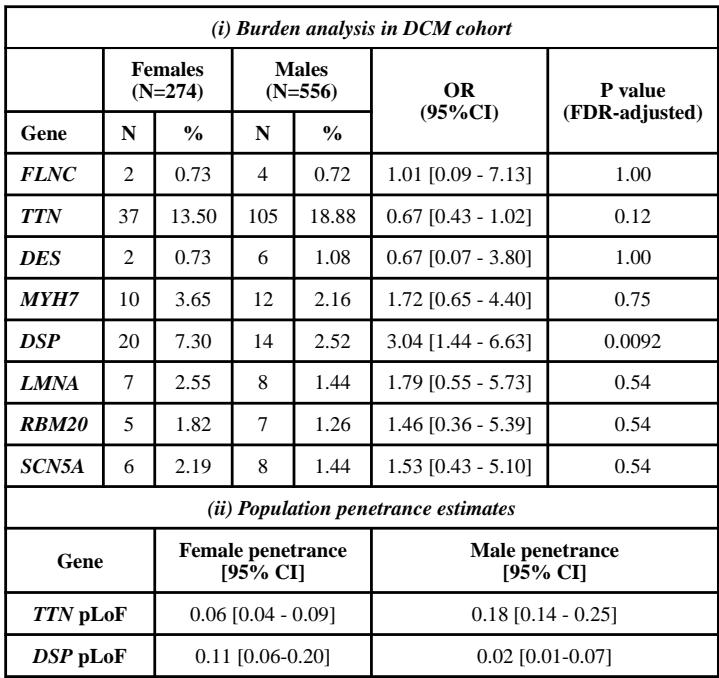
Desmoplakin gene variants confer a higher risk and penetrance of dilated cardiomyopathy in females, contrasting with male-predominant risks from other genes like TTN. This discovery underscores sex-specific mechanisms in DCM susceptibility and prognosis.
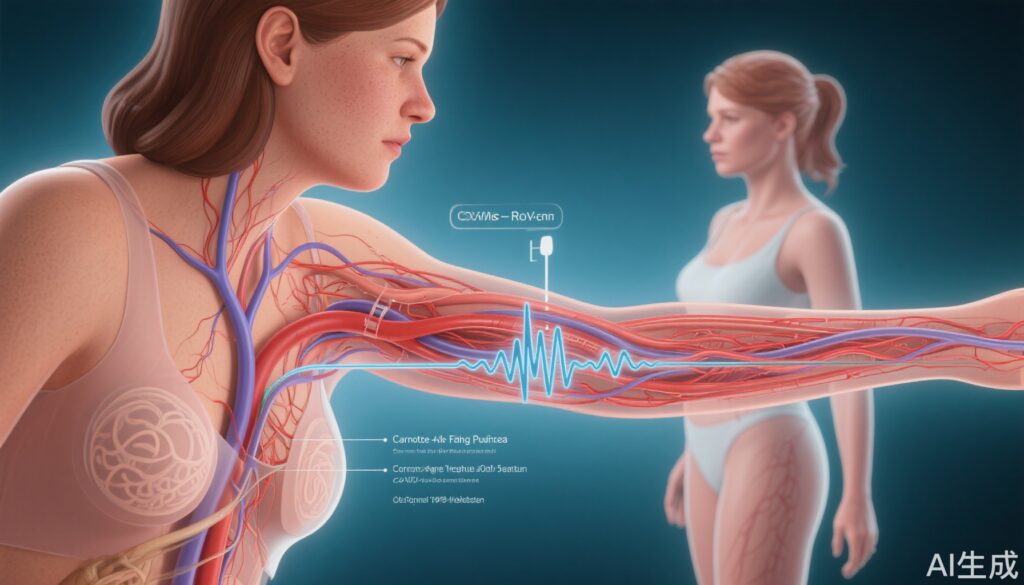
COVID-19 accelerates vascular aging by approximately 5 years, disproportionately affecting women, with vaccination conferring protection primarily in females, highlighting sex-specific immunological responses and long-term vascular risks.
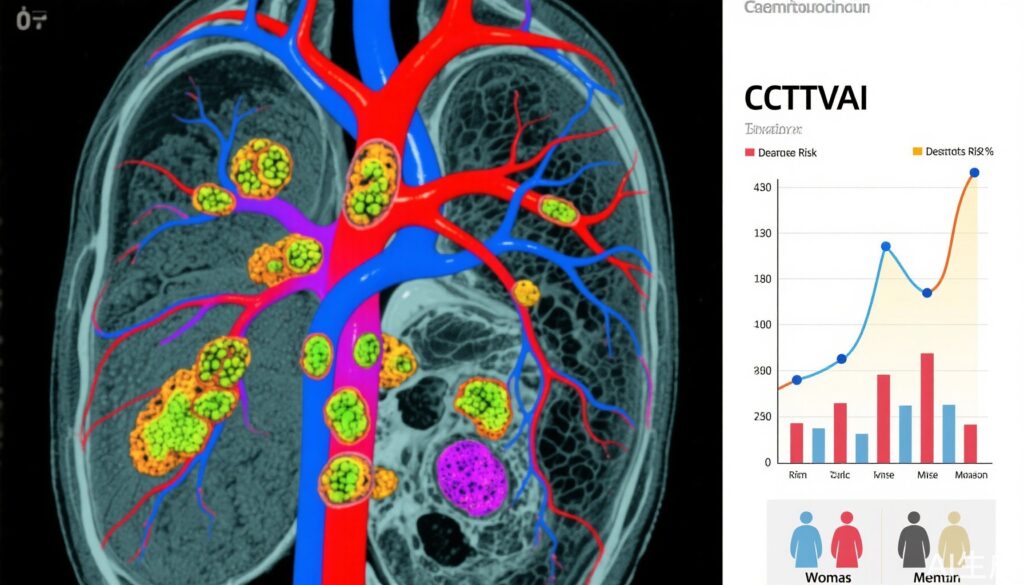
AI-based quantitative CT analysis demonstrates that coronary plaque features, while more prevalent in men, confer a disproportionately higher relative risk of major adverse cardiovascular events in women, highlighting the need for sex-specific risk assessment and targeted interventions.
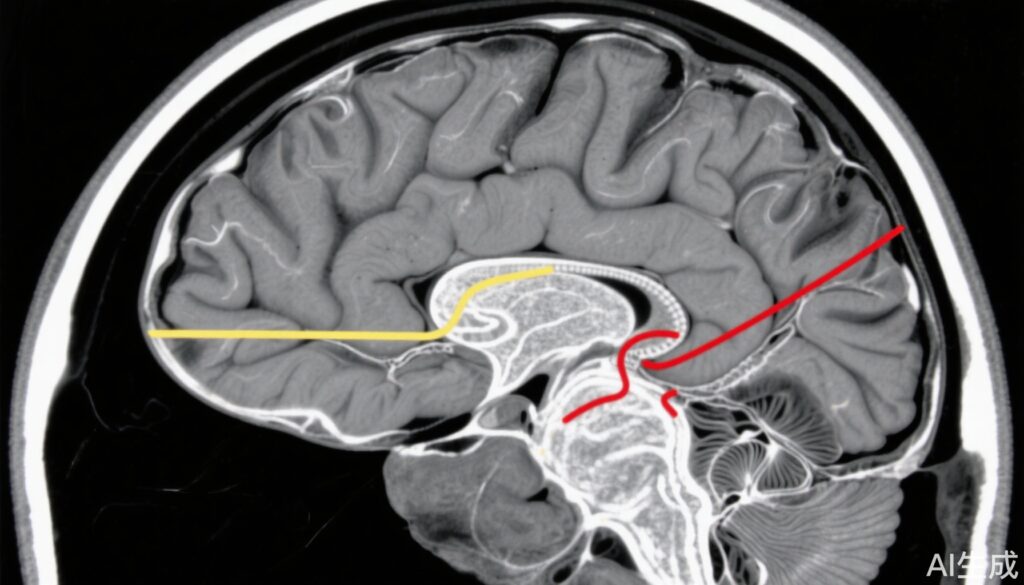
A study from the Framingham Heart Study cohort reveals that traumatic brain injury (TBI) is linked to significant brain volume loss in older women but not men, highlighting sex-specific vulnerability to neurodegeneration post-TBI.