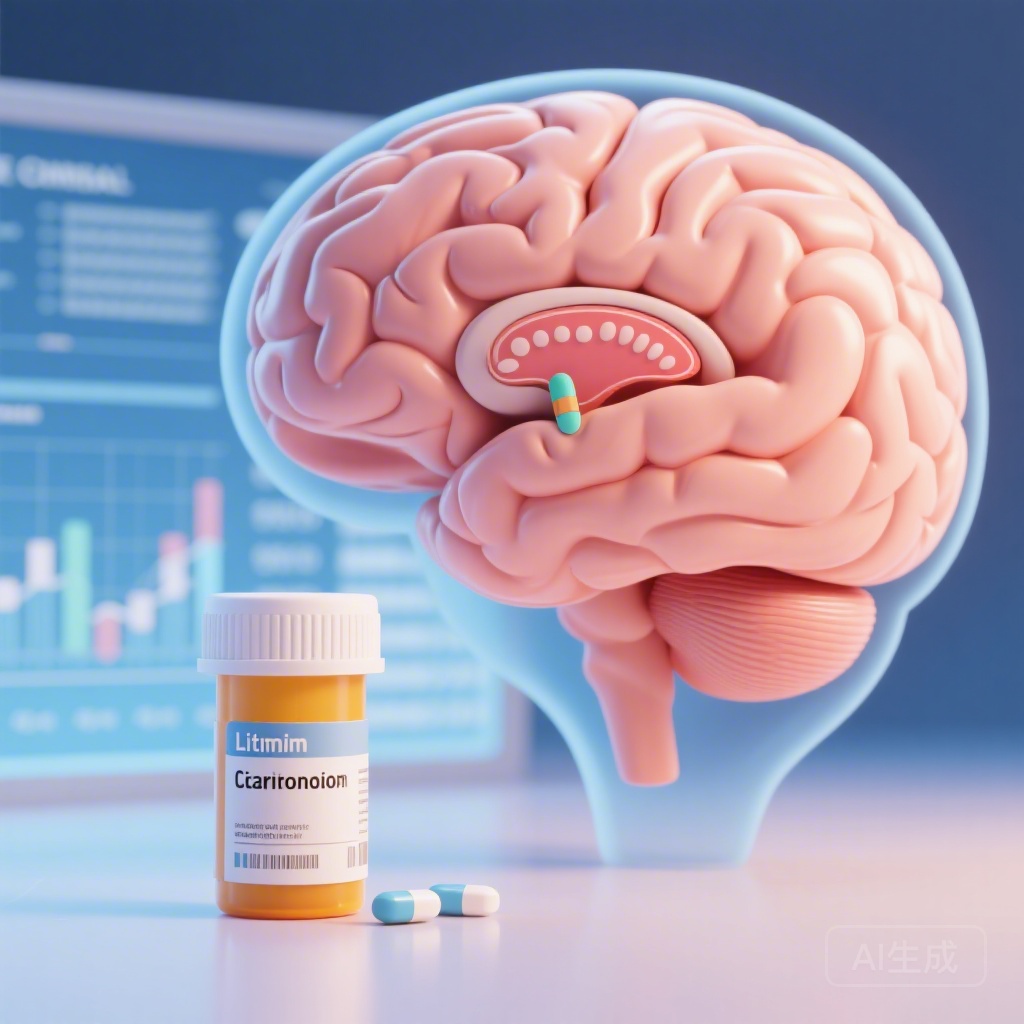
Evaluating Low-Dose Lithium Carbonate for the Management of Mild Cognitive Impairment: A 2-Year Randomized Pilot Study

Evaluating Low-Dose Lithium Carbonate for the Management of Mild Cognitive Impairment: A 2-Year Randomized Pilot Study

This pilot randomized clinical trial investigated low-dose lithium for Mild Cognitive Impairment (MCI). While primary outcomes regarding cognition and neuroimaging were not statistically significant, the study established the intervention's feasibility and safety, providing crucial effect size estimates for future neuroprotective research.
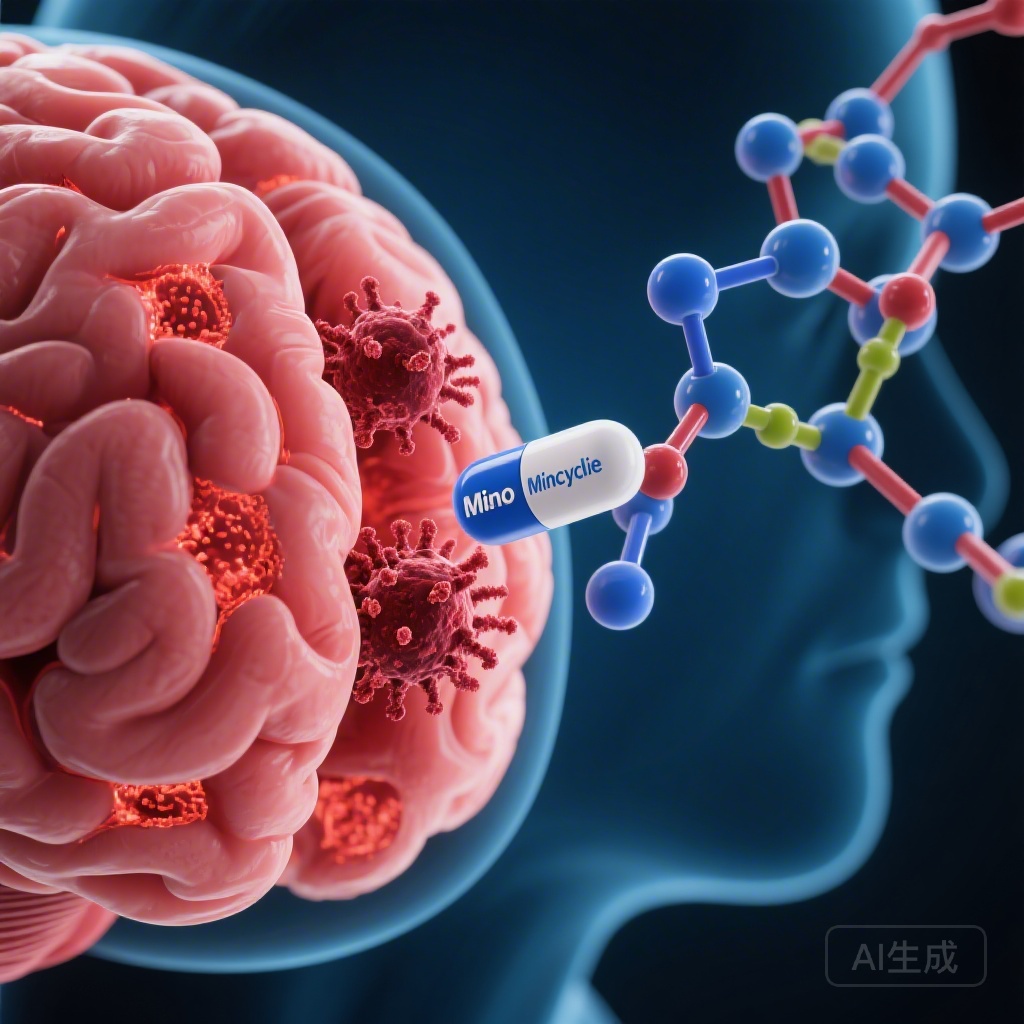
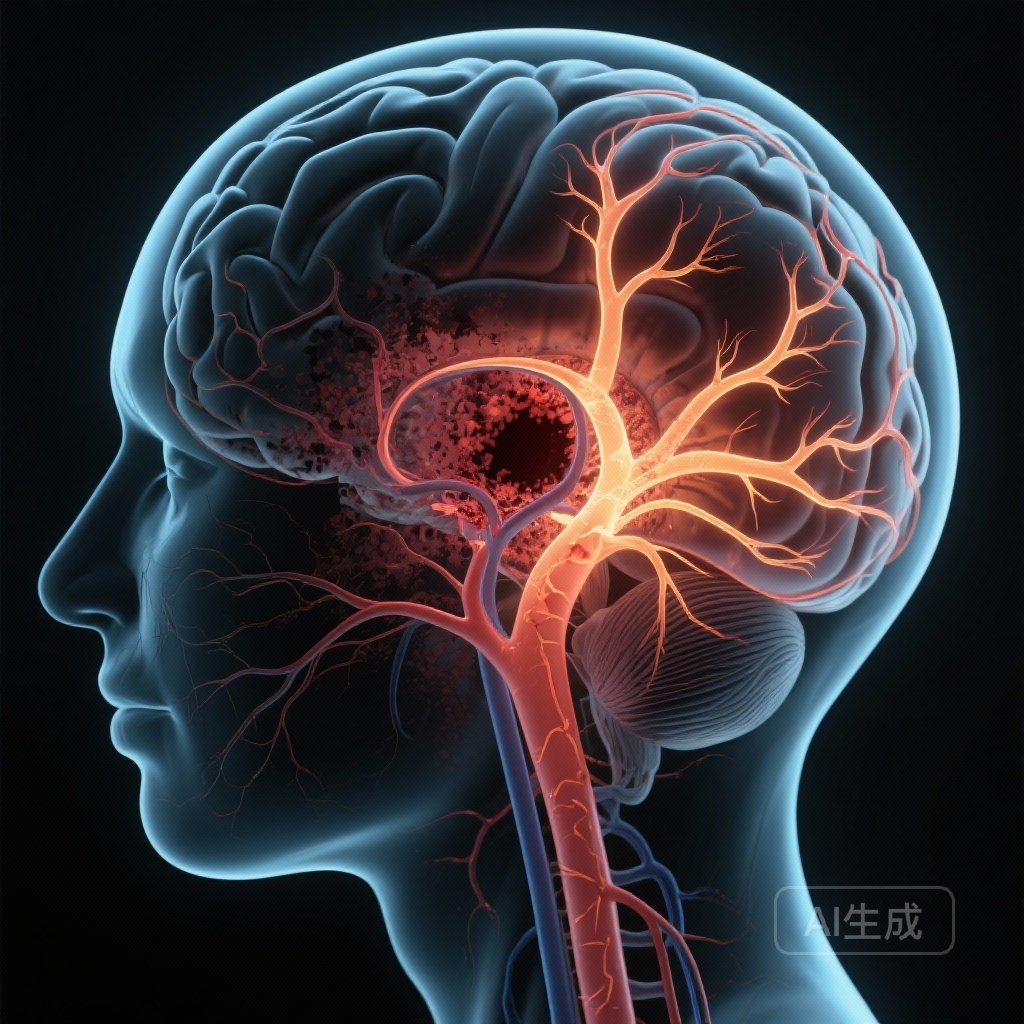
Minocycline Significantly Improves Functional Recovery in Acute Ischaemic Stroke: Evidence from the EMPHASIS Trial

Minocycline Significantly Improves Functional Recovery in Acute Ischaemic Stroke: Evidence from the EMPHASIS Trial

The EMPHASIS trial reveals that oral minocycline initiated within 72 hours of an acute ischaemic stroke significantly enhances functional independence at 90 days. This multicentre study provides robust evidence for a well-tolerated, accessible neuroprotective strategy beyond the traditional reperfusion window.
Edaravone Dexborneol Improves Functional Recovery Following Endovascular Thrombectomy: Primary Results from the TASTE-2 Trial

Edaravone Dexborneol Improves Functional Recovery Following Endovascular Thrombectomy: Primary Results from the TASTE-2 Trial

The multicenter TASTE-2 trial reveals that edaravone dexborneol significantly increases the likelihood of functional independence at 90 days for acute ischaemic stroke patients undergoing thrombectomy, particularly those presenting with a clinical-radiological mismatch, while maintaining a safety profile comparable to placebo.
GLP-1 Receptor Agonists Associated with Significantly Lower Risk of Subarachnoid Hemorrhage in Patients with Intracranial Aneurysms

GLP-1 Receptor Agonists Associated with Significantly Lower Risk of Subarachnoid Hemorrhage in Patients with Intracranial Aneurysms

A large-scale retrospective cohort study reveals that GLP-1 receptor agonists reduce the risk of subarachnoid hemorrhage by 34% and all-cause mortality by 37% in patients with type 2 diabetes and intracranial aneurysms, suggesting a potent neuroprotective role for these metabolic agents.
NT-501 Encapsulated Cell Therapy Successfully Slows Photoreceptor Loss in Macular Telangiectasia Type 2: Results from Two Phase 3 Trials

NT-501 Encapsulated Cell Therapy Successfully Slows Photoreceptor Loss in Macular Telangiectasia Type 2: Results from Two Phase 3 Trials

Two Phase 3 trials show that NT-501 encapsulated cell therapy significantly reduces ellipsoid zone area loss in Macular Telangiectasia Type 2. While functional outcomes were inconsistent, the treatment demonstrated a robust neuroprotective effect against photoreceptor degeneration over 24 months.
Protective Effects of High-Intensity Interval Training on Cardiovascular, Neurological, and Metabolic Health: An Evidence-Based Review

Protective Effects of High-Intensity Interval Training on Cardiovascular, Neurological, and Metabolic Health: An Evidence-Based Review

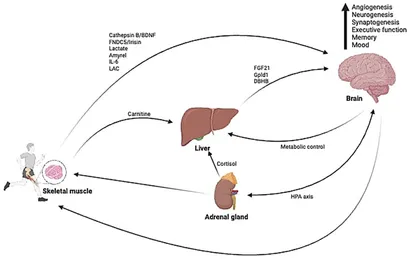
This review synthesizes recent evidence demonstrating that high-intensity interval training (HIIT) confers cardiometabolic benefits, modulates microvascular and neural function, enhances insulin sensitivity, and improves mental health outcomes, underscoring its potential as a multifaceted therapeutic strategy.