Intensity-Modulated Proton Therapy Reduces Acute Toxicity While Maintaining Oncologic Equivalence in Nasopharyngeal Carcinoma: A Five-Year Case-Control Analysis

Intensity-Modulated Proton Therapy Reduces Acute Toxicity While Maintaining Oncologic Equivalence in Nasopharyngeal Carcinoma: A Five-Year Case-Control Analysis

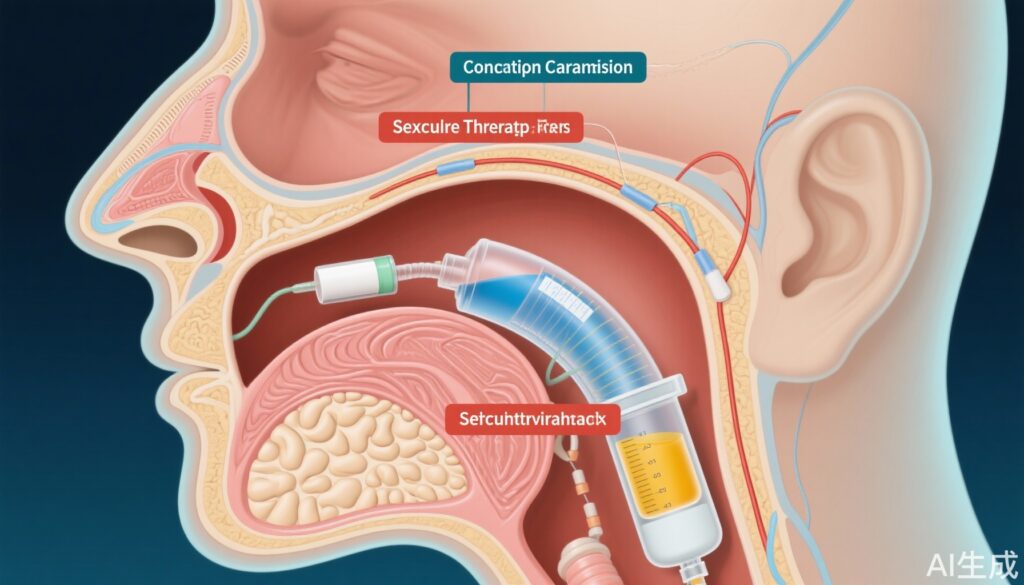
A case-control study comparing IMPT and IMRT for nasopharyngeal carcinoma shows that IMPT significantly reduces grade 2+ acute toxicities without compromising long-term survival or local-regional control, suggesting a superior therapeutic index during the acute treatment phase.
Izalontamab Brengitecan Doubles Response Rates Versus Chemotherapy in Heavily Pretreated Recurrent or Metastatic Nasopharyngeal Carcinoma

Izalontamab Brengitecan Doubles Response Rates Versus Chemotherapy in Heavily Pretreated Recurrent or Metastatic Nasopharyngeal Carcinoma

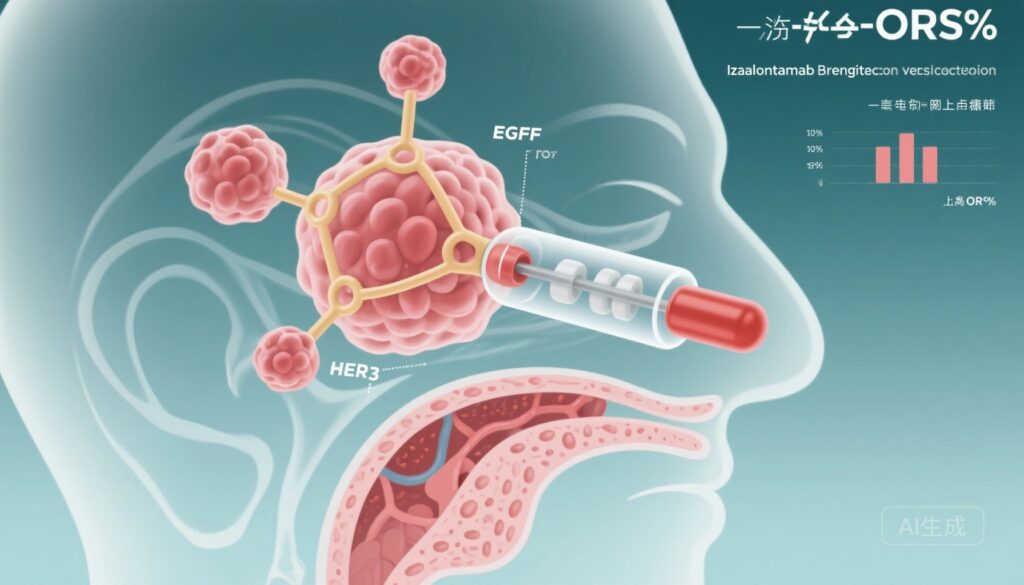
A phase 3 randomized trial in China showed the EGFR/HER3 bispecific antibody‑drug conjugate izalontamab brengitecan produced a 54.6% objective response rate versus 27.0% with chemotherapy in heavily pretreated recurrent or metastatic nasopharyngeal carcinoma, though hematologic toxicity was substantial.
Comparative Efficacy of Induction-Concurrent Versus Concurrent-Adjuvant Chemoradiotherapy in High-Risk N2-N3 Nasopharyngeal Carcinoma: Insights from a Phase 3 Randomized Trial

Comparative Efficacy of Induction-Concurrent Versus Concurrent-Adjuvant Chemoradiotherapy in High-Risk N2-N3 Nasopharyngeal Carcinoma: Insights from a Phase 3 Randomized Trial

A phase 3 trial showed no significant difference in 3-year progression-free survival between induction-concurrent and concurrent-adjuvant chemoradiotherapy in treating high-risk N2-N3 nasopharyngeal carcinoma, with both regimens exhibiting manageable safety profiles.