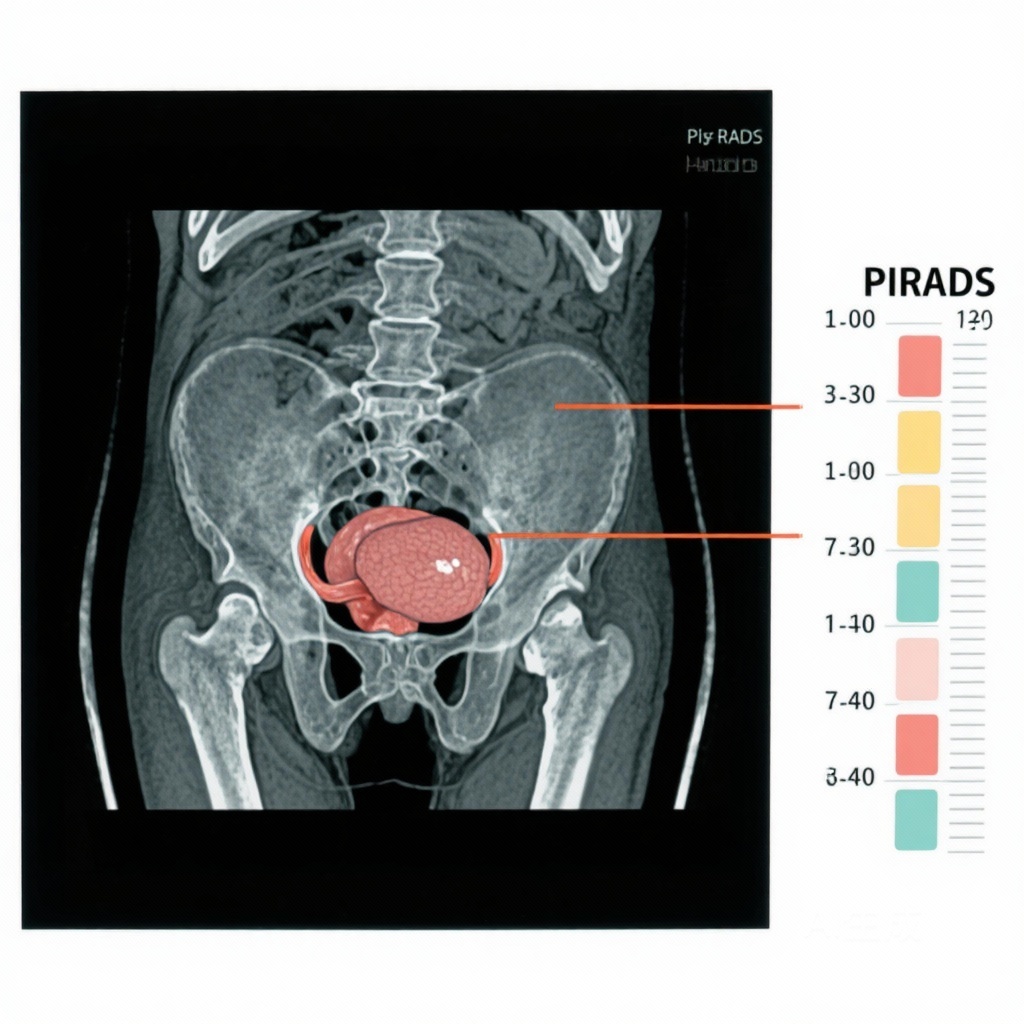
Long-term data show RAPID MRI-directed pathway safely avoids unnecessary biopsies while maintaining low rates of clinically significant prostate cancer.
In a randomized, blinded trial of 74 mechanically ventilated ICU patients, adding early NMES to an early mobilization program started within 48 hours improved functional status, independence, mobility, and quality of life up to 6 months after discharge versus mobilization alone.
A large prospective Dutch cohort reports 36% five-year survival after ECMO with generally satisfactory health-related quality of life (median EQ-5D 0.82) but ongoing problems with pain, mobility, activities, and work capacity.
A parsimonious discharge‑subtype algorithm applied to CLOVERS trial survivors stratified patients by 3‑month mortality and 12‑month functional outcomes, offering a pragmatic tool to target post‑hospital recovery resources.
A meta-analysis of 14 matched-control studies (n=1,058,109) finds that survivors of in-hospital AKI face higher long-term mortality, greater subsequent dialysis need, and elevated risk of CKD versus matched controls.
At 7 years, transcatheter and surgical aortic valve replacement show comparable outcomes including survival, stroke, and valve durability among low-risk patients with severe aortic stenosis, affirming TAVR's long-term efficacy.
This study demonstrates the long-term effectiveness and safety of autologous gene therapy for treating ADA deficiency, showing sustained immune function and minimal adverse effects over a median follow-up of 7.5 years.
This study evaluates the efficacy of vertebral artery reconstruction surgery versus medical therapy in reducing stroke recurrence and improving neurological outcomes over a ten-year period.
This study evaluates the safety, effectiveness, and longevity of implant-supported prostheses in disabled patients treated under general anesthesia over 14 years.
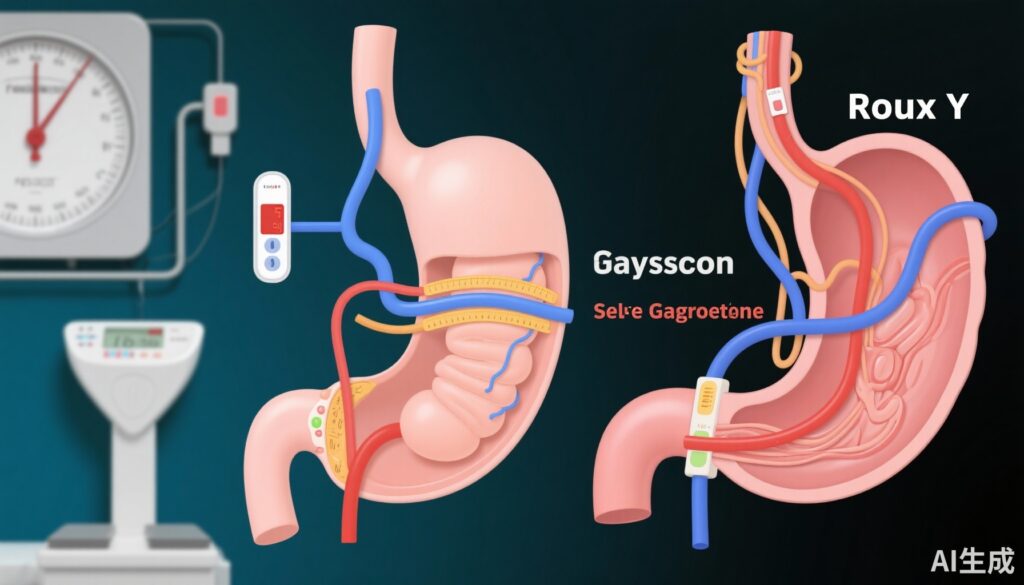
A Swedish nationwide study reveals Roux-en-Y gastric bypass yields superior long-term benefits in type 2 diabetes remission and reduced mortality compared to sleeve gastrectomy, despite higher risks of nutritional deficiencies and psychiatric complications.
This study highlights how poor mental well-being during adolescence predicts increased risks of mental illness, risky behaviors, and mortality in young adulthood, emphasizing the urgency for early identification and intervention.
This meta-analysis evaluates 5-year outcomes comparing TAVI and SAVR across risk profiles, revealing early advantages with TAVI that level off long-term, with no significant difference at 5 years.
This study examines long-term outcomes of a modern arthroscopic Bankart repair technique for traumatic anterior shoulder instability over a minimum 10-year follow-up, highlighting recurrence rates, risk factors, and functional results.
A decade-long Medicare study shows low overall risk of mesh removal from infection after open ventral hernia repair, with a slightly higher risk in patients experiencing early wound complications.
A randomized clinical trial reveals early dose reduction of antipsychotics after first-episode psychosis remission increases short-term relapse risk and lowers quality of life, but may improve long-term functioning over four years.
Five-year follow-up from the INTREPID trial confirms that subthalamic nucleus deep brain stimulation significantly improves motor symptoms, reduces dyskinesia, lowers medication needs, and enhances daily living activities in moderate to advanced Parkinson disease patients, with an acceptable safety profile.
Achieving disease clearance early after induction therapy with ustekinumab in ulcerative colitis patients predicts sustained clinical remission, symptom control, and improved quality of life over four years.
This longitudinal study reveals persistent cognitive, physical, and vascular challenges up to 9 years after minor lacunar or cortical ischemic stroke, emphasizing different risks and recovery patterns by stroke subtype.
Active surveillance is a durable management strategy for small, low-risk papillary thyroid cancer, especially among older adults who show significantly lower crossover rates to surgery.
Higher baseline serum alpha-linolenic acid levels predict reduced multiple sclerosis activity, relapses, and disability progression up to 11 years post clinical onset in a large prospective study.