No Net Benefit from Adding Antiplatelet Therapy to Anticoagulation After Ischemic Stroke With Atrial Fibrillation and Atherosclerosis — Higher Bleeding Risk

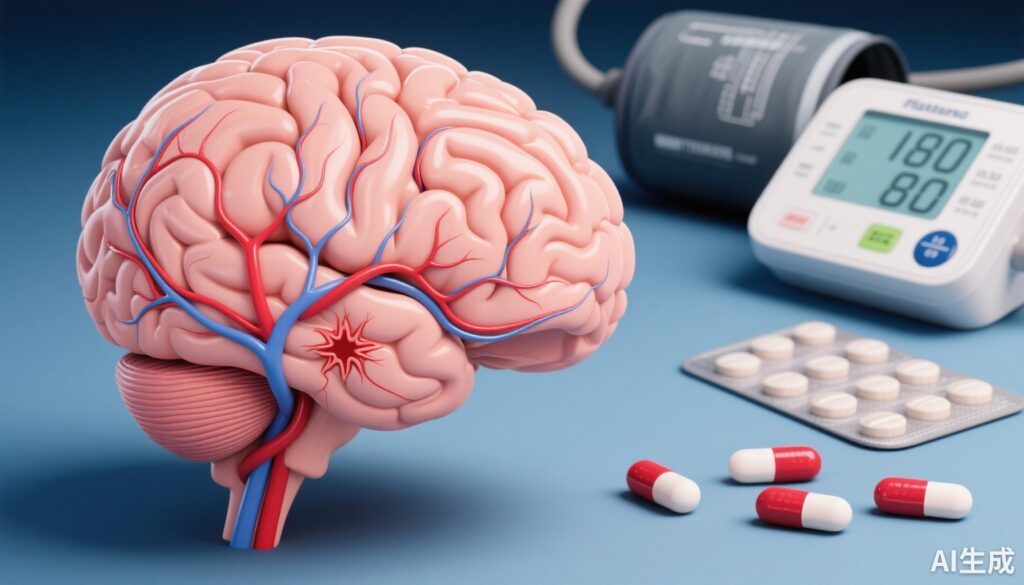
No Net Benefit from Adding Antiplatelet Therapy to Anticoagulation After Ischemic Stroke With Atrial Fibrillation and Atherosclerosis — Higher Bleeding Risk

In a randomized trial of 316 patients with ischemic stroke/TIA, nonvalvular atrial fibrillation, and atherosclerotic disease, adding an antiplatelet to anticoagulation did not reduce ischemic events but doubled clinically relevant bleeding compared with anticoagulant monotherapy.
General Anesthesia May Improve 90‑Day Outcomes and Reperfusion After EVT for Large‑Vessel Ischemic Stroke: Key Takeaways from the SEGA Randomized Trial

General Anesthesia May Improve 90‑Day Outcomes and Reperfusion After EVT for Large‑Vessel Ischemic Stroke: Key Takeaways from the SEGA Randomized Trial

The SEGA randomized trial suggests general anesthesia (GA) during endovascular therapy for large‑vessel occlusion stroke may lead to better 90‑day functional outcomes and higher reperfusion rates than moderate sedation, though credible intervals overlap and uncertainties remain.
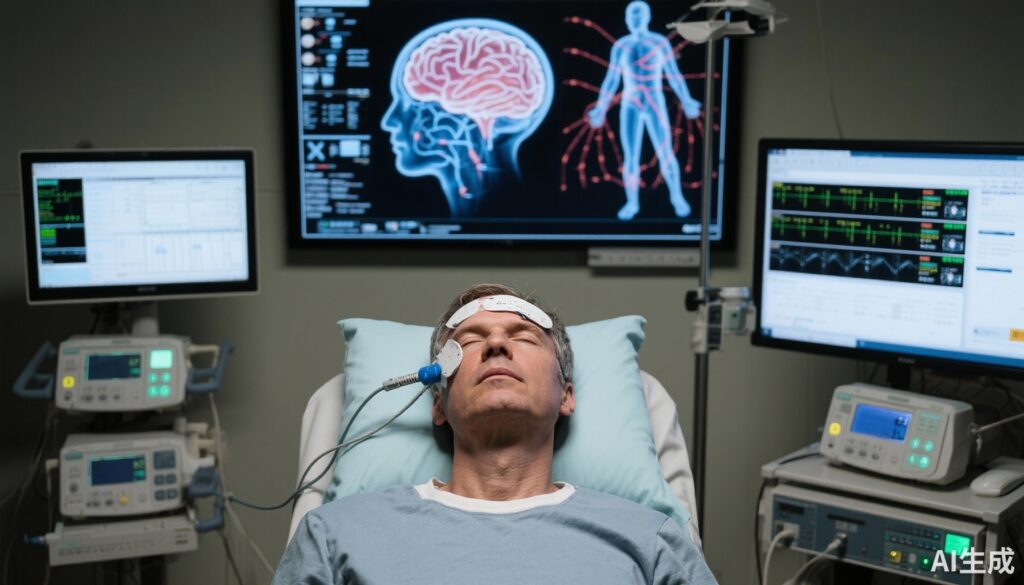
Evaluating Electromagnetic Network-Targeted Field Therapy for Post-Ischemic Stroke Disability: Insights from the EMAGINE Trial

Evaluating Electromagnetic Network-Targeted Field Therapy for Post-Ischemic Stroke Disability: Insights from the EMAGINE Trial

The EMAGINE randomized clinical trial assessed low-intensity electromagnetic stimulation combined with rehabilitation in moderate to severe ischemic stroke patients. While safe, it did not yield statistically significant functional improvement, warranting further investigation.