Semaglutide Mitigates Cardiometabolic Risk in Early-Stage Schizophrenia: Insights from a Randomized Clinical Trial

Semaglutide Mitigates Cardiometabolic Risk in Early-Stage Schizophrenia: Insights from a Randomized Clinical Trial

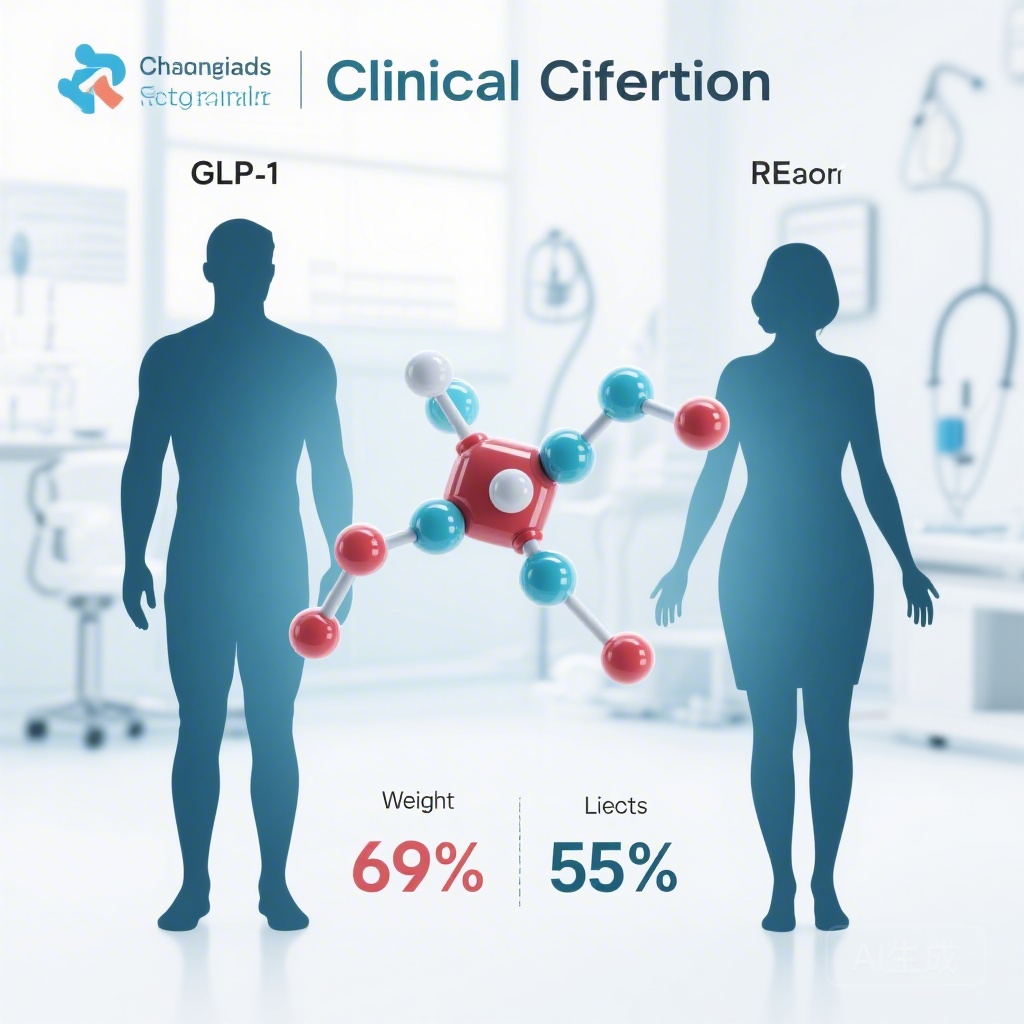
A landmark RCT demonstrates that adjunctive semaglutide significantly improves glycemic control and induces substantial weight loss in individuals with schizophrenia spectrum disorders treated with second-generation antipsychotics, potentially closing the mortality gap in this high-risk population.
GLP-1 Receptor Agonists Associated with Lower Atrial Fibrillation Recurrence After Catheter Ablation in Obese Patients

GLP-1 Receptor Agonists Associated with Lower Atrial Fibrillation Recurrence After Catheter Ablation in Obese Patients

This real-world study demonstrates that GLP-1 receptor agonists significantly reduce AF recurrence, progression to permanent AF, and cardiovascular hospitalizations in obese patients following catheter ablation, highlighting their role as a critical adjunctive therapy in metabolic-arrhythmic management.
Mind the Gap: Patients with Mental Disorders Face Significant Disparities in Diabetes Monitoring and Modern Therapies

Mind the Gap: Patients with Mental Disorders Face Significant Disparities in Diabetes Monitoring and Modern Therapies

A massive systematic review of 5.5 million patients reveals that those with mental disorders receive significantly lower quality diabetes care, including less frequent monitoring and a 74% lower likelihood of being prescribed GLP-1 receptor agonists compared to those without psychiatric conditions.
GLP-1 Receptor Agonists Associated with Significantly Lower Risk of Subarachnoid Hemorrhage in Patients with Intracranial Aneurysms

GLP-1 Receptor Agonists Associated with Significantly Lower Risk of Subarachnoid Hemorrhage in Patients with Intracranial Aneurysms

A large-scale retrospective cohort study reveals that GLP-1 receptor agonists reduce the risk of subarachnoid hemorrhage by 34% and all-cause mortality by 37% in patients with type 2 diabetes and intracranial aneurysms, suggesting a potent neuroprotective role for these metabolic agents.
Comparative Efficacy and Safety of Tirzepatide, Semaglutide, and Liraglutide for Obesity Management: A Critical Review of Recent Cochrane Evidence

Comparative Efficacy and Safety of Tirzepatide, Semaglutide, and Liraglutide for Obesity Management: A Critical Review of Recent Cochrane Evidence

This article critically compares the efficacy, safety, and long-term outcomes of tirzepatide, semaglutide, and liraglutide for the treatment of obesity based on recent Cochrane systematic reviews, highlighting differences in weight loss, adverse events, cardiovascular outcomes, and evidence certainty.
Glucagon-Like Peptide-1 Receptor Agonists and Ocular Risks: A Comprehensive Review of Neovascular AMD, Diabetic Retinopathy, and Ischemic Optic Neuropathy in Diabetes

Glucagon-Like Peptide-1 Receptor Agonists and Ocular Risks: A Comprehensive Review of Neovascular AMD, Diabetic Retinopathy, and Ischemic Optic Neuropathy in Diabetes

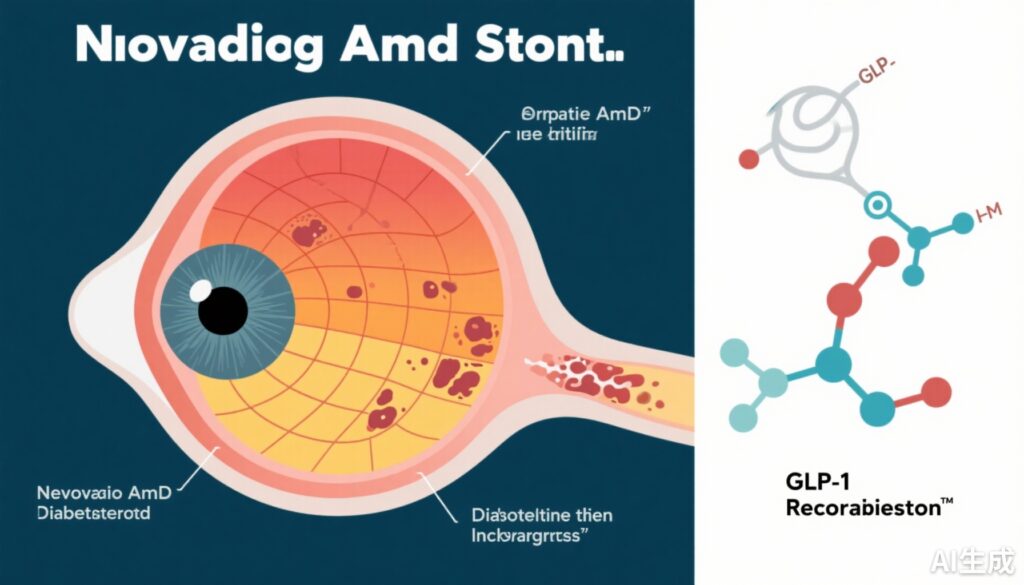
GLP-1 receptor agonists used in diabetes show a twofold increased risk of neovascular AMD, a modest risk elevation for diabetic retinopathy, and a small but significant increased risk for nonarteritic anterior ischemic optic neuropathy, warranting careful ophthalmic monitoring.