Scalable Digital Support Reduces Distress in Caregivers of Depressed Patients: Results from a Large-Scale RCT

Scalable Digital Support Reduces Distress in Caregivers of Depressed Patients: Results from a Large-Scale RCT

A large-scale randomized controlled trial reveals that online self-help programs, featuring either automated or individualized psychological support, significantly reduce the mental health burden on informal caregivers of people with depression, offering a scalable solution for integrated healthcare services.
Digital Storytelling Boosts Pediatric Influenza Vaccination Rates Despite Low Engagement: Insights from a Pilot Randomized Trial

Digital Storytelling Boosts Pediatric Influenza Vaccination Rates Despite Low Engagement: Insights from a Pilot Randomized Trial

A pilot randomized clinical trial reveals that text-based digital stories centered on community voices significantly improved influenza vaccination rates among children in Black communities, even though only 7% of caregivers viewed the narratives, highlighting a potential high-impact intervention for health equity.
Scalable Success: Electronic Patient-Managed Interventions Significantly Drive Benzodiazepine Cessation

Scalable Success: Electronic Patient-Managed Interventions Significantly Drive Benzodiazepine Cessation

The EMPOWER-ED randomized clinical trial demonstrates that an electronic, patient-centered intervention significantly increases the odds of complete benzodiazepine cessation among long-term users, providing a scalable, low-cost solution for health systems to address benzodiazepine dependence without increasing clinician burden.
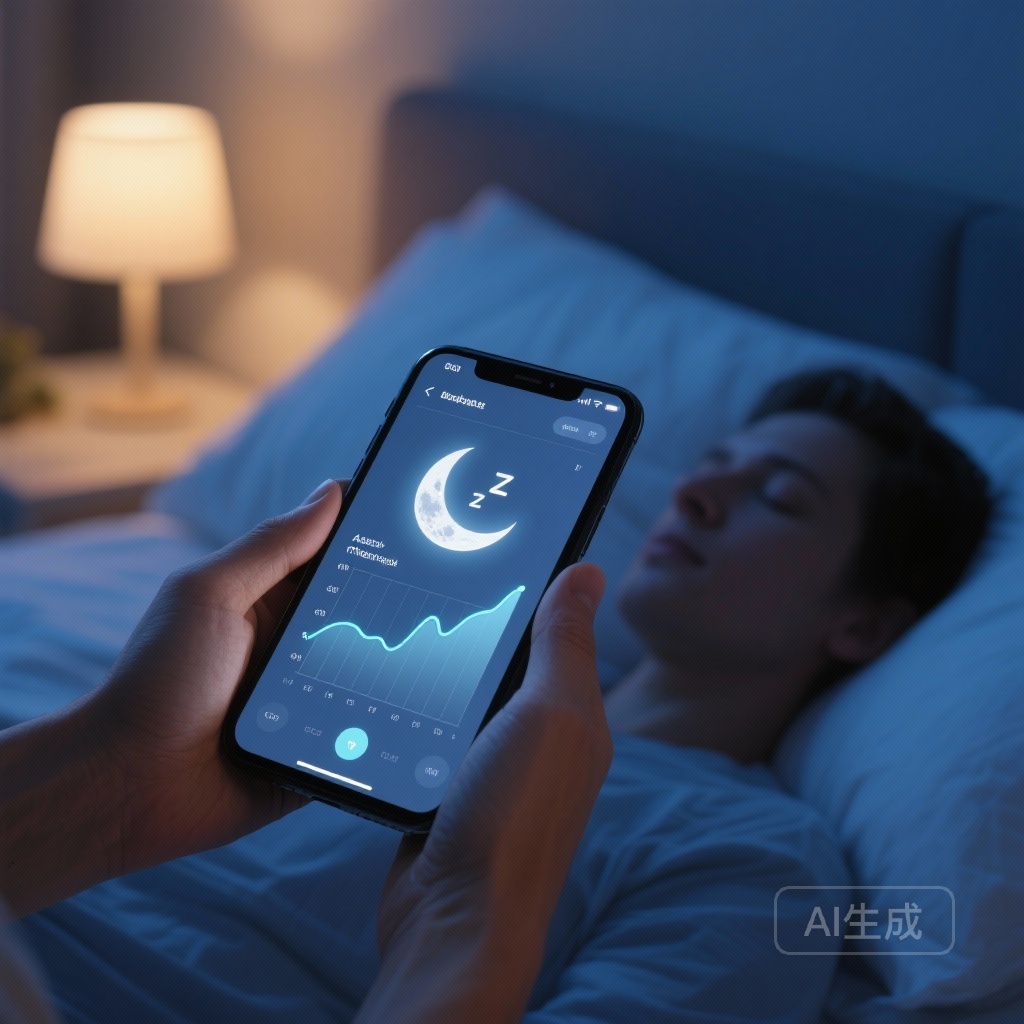
Digital Phenotyping in Insomnia: Real-Time Smartphone Assessment Detects Daytime Benefits of Suvorexant Missed by Traditional Scales

Digital Phenotyping in Insomnia: Real-Time Smartphone Assessment Detects Daytime Benefits of Suvorexant Missed by Traditional Scales

A randomized clinical trial demonstrates that smartphone-based ecological momentary assessment (EMA) is significantly more sensitive than retrospective questionnaires in detecting the daytime clinical benefits of suvorexant, particularly regarding fatigue and subjective cognition in older adults with chronic insomnia.
Scaling Symptom Relief: EHR-Facilitated Collaborative Care Outperforms Surveillance Alone in Large-Scale Oncology Trial

Scaling Symptom Relief: EHR-Facilitated Collaborative Care Outperforms Surveillance Alone in Large-Scale Oncology Trial

The E2C2 trial demonstrates that integrating electronic health record (EHR)-facilitated collaborative care with symptom surveillance significantly reduces the burden of anxiety, depression, and fatigue in oncology patients compared to surveillance alone, offering a scalable model for population-level symptom management.
Smartphone-Based Pulmonary Rehabilitation Bridging the Gap in Chronic Respiratory Care: A Randomized Controlled and Feasibility Study

Smartphone-Based Pulmonary Rehabilitation Bridging the Gap in Chronic Respiratory Care: A Randomized Controlled and Feasibility Study

A randomized trial demonstrates that a smartphone app-based pulmonary rehabilitation program significantly improves quality of life and physical activity in patients with chronic respiratory diseases, offering a scalable alternative to traditional center-based care despite challenges in patient adherence.
Bridging the Care Gap: Smartphone-Based Pulmonary Rehabilitation Enhances Quality of Life and Physical Activity in Chronic Respiratory Disease

Bridging the Care Gap: Smartphone-Based Pulmonary Rehabilitation Enhances Quality of Life and Physical Activity in Chronic Respiratory Disease

A 12-week randomized controlled trial reveals that smartphone-based pulmonary rehabilitation significantly improves quality of life and physical activity in patients with chronic respiratory diseases, offering a scalable and feasible alternative to traditional center-based programs despite challenges in long-term adherence.
Individualized Feedback Letters Fail to Reduce Long-Term Alcohol Consumption: Insights from a 4-Year RCT

Individualized Feedback Letters Fail to Reduce Long-Term Alcohol Consumption: Insights from a 4-Year RCT

A 4-year randomized controlled trial found that computer-generated feedback letters failed to reduce alcohol consumption in the general population. Unexpectedly, the control group showed greater reduction at 48 months, suggesting that current digital intervention strategies may require significant adaptation for low-risk drinkers.