Combined Multiplex PCR and Procalcitonin Strategy Fails to Increase Antibiotic-Free Days in Critically Ill Patients with CAP: Insights from the MULTI-CAP Trial

Combined Multiplex PCR and Procalcitonin Strategy Fails to Increase Antibiotic-Free Days in Critically Ill Patients with CAP: Insights from the MULTI-CAP Trial

The MULTI-CAP trial demonstrated that combining multiplex PCR and procalcitonin did not significantly increase the number of antibiotic-free days by Day 28 in ICU patients with pneumonia, although it did successfully reduce the cumulative duration of antibiotic therapy by three days without increasing adverse events.
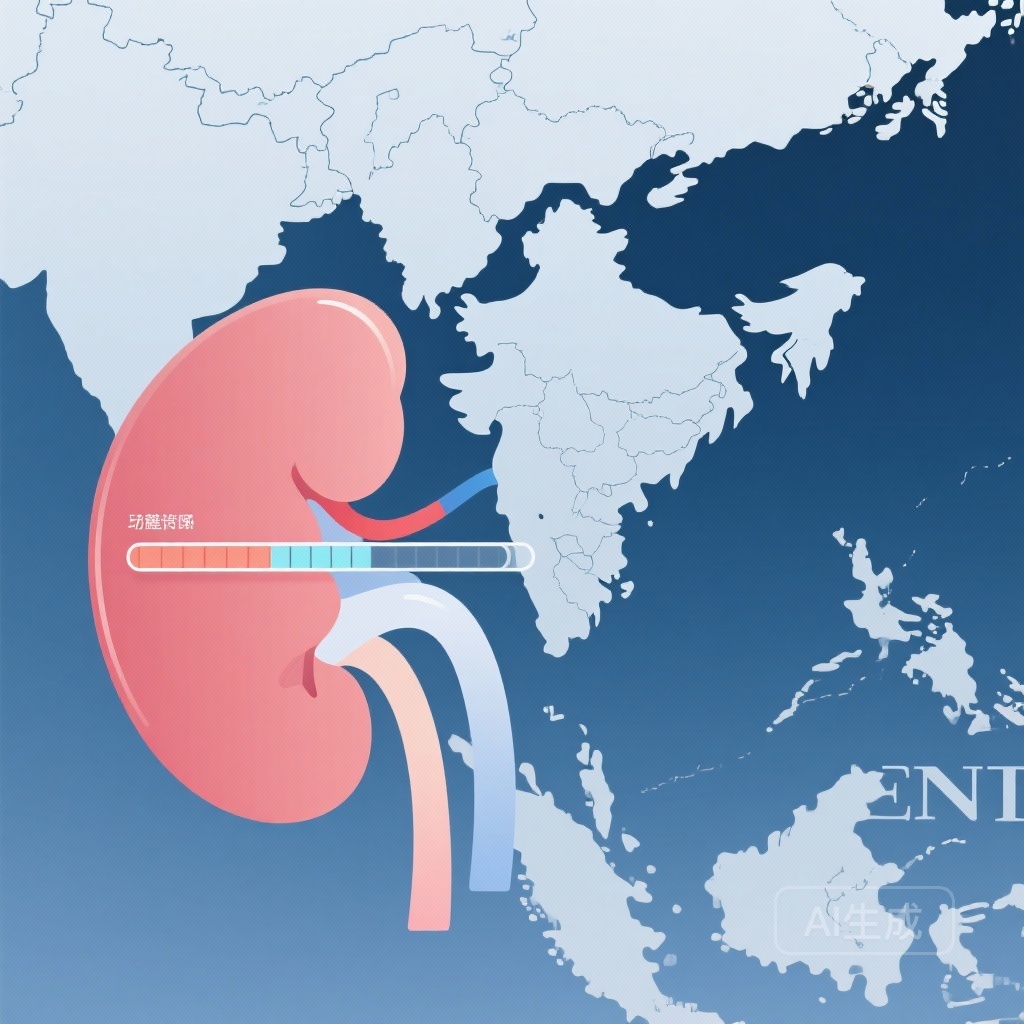
Higher Hospital-Level Utilization of Continuous Kidney Replacement Therapy Associated with Reduced Mortality in Critically Ill Patients

Higher Hospital-Level Utilization of Continuous Kidney Replacement Therapy Associated with Reduced Mortality in Critically Ill Patients

A large-scale multicenter study reveals that hospitals with higher utilization rates of continuous kidney replacement therapy (CKRT) achieve significantly lower 90-day mortality for critically ill AKI patients compared to low-utilization centers, highlighting a critical volume-outcome relationship in intensive care.
Hemodynamic vs. Neurological Phenotypes in Adult Invasive Meningococcal Disease: Insights from the Nationwide RETRO-MENINGO Study

Hemodynamic vs. Neurological Phenotypes in Adult Invasive Meningococcal Disease: Insights from the Nationwide RETRO-MENINGO Study

The RETRO-MENINGO study of 654 adults reveals that hemodynamic presentations of invasive meningococcal disease carry a five-fold higher mortality risk than neurological forms. Early parenteral antibiotic administration remains the most critical modifiable factor for patient survival.
The Long Shadow of the ICU: Identifying High-Risk Functional Trajectories in Older Survivors

The Long Shadow of the ICU: Identifying High-Risk Functional Trajectories in Older Survivors

A large-scale longitudinal study reveals that ICU survivors aged 60–79 face significantly higher 5-year excess mortality and functional decline compared to the general population, whereas outcomes for nonagenarians converge with their peers, highlighting a critical window for geriatric intervention and advance care planning.