Three-Month Clofazimine–Rifapentine Regimen for Drug‑Susceptible TB Failed to Improve Outcomes and Raised Safety Concerns: Lessons from Clo‑Fast (Phase 2c)

Three-Month Clofazimine–Rifapentine Regimen for Drug‑Susceptible TB Failed to Improve Outcomes and Raised Safety Concerns: Lessons from Clo‑Fast (Phase 2c)

The Clo‑Fast phase 2c trial tested a 3‑month rifapentine‑clofazimine regimen versus standard 6‑month therapy for drug‑susceptible pulmonary TB. Culture conversion at 12 weeks was similar, but shorter therapy had higher grade ≥3 adverse events and worse 65‑week composite clinical outcomes, leading to early termination.
Human Monoclonal Antibody MAM01 for Malaria Prevention: Phase 1 Trial Insights and Context in Antimalarial Monoclonal Antibody Development

Human Monoclonal Antibody MAM01 for Malaria Prevention: Phase 1 Trial Insights and Context in Antimalarial Monoclonal Antibody Development

This review synthesizes evidence on MAM01, a monoclonal antibody targeting Plasmodium falciparum circumsporozoite protein, summarizing its first-in-human phase 1 trial demonstrating safety and protective efficacy, alongside contextual advances in monoclonal antibody-based malaria prevention.
Laparoscopic Distal Gastrectomy Is Comparable to Open Surgery for Clinical T4a Gastric Cancer in Short-Term Outcomes: Results from the UMC‑UPPERGI‑01 RCT

Laparoscopic Distal Gastrectomy Is Comparable to Open Surgery for Clinical T4a Gastric Cancer in Short-Term Outcomes: Results from the UMC‑UPPERGI‑01 RCT

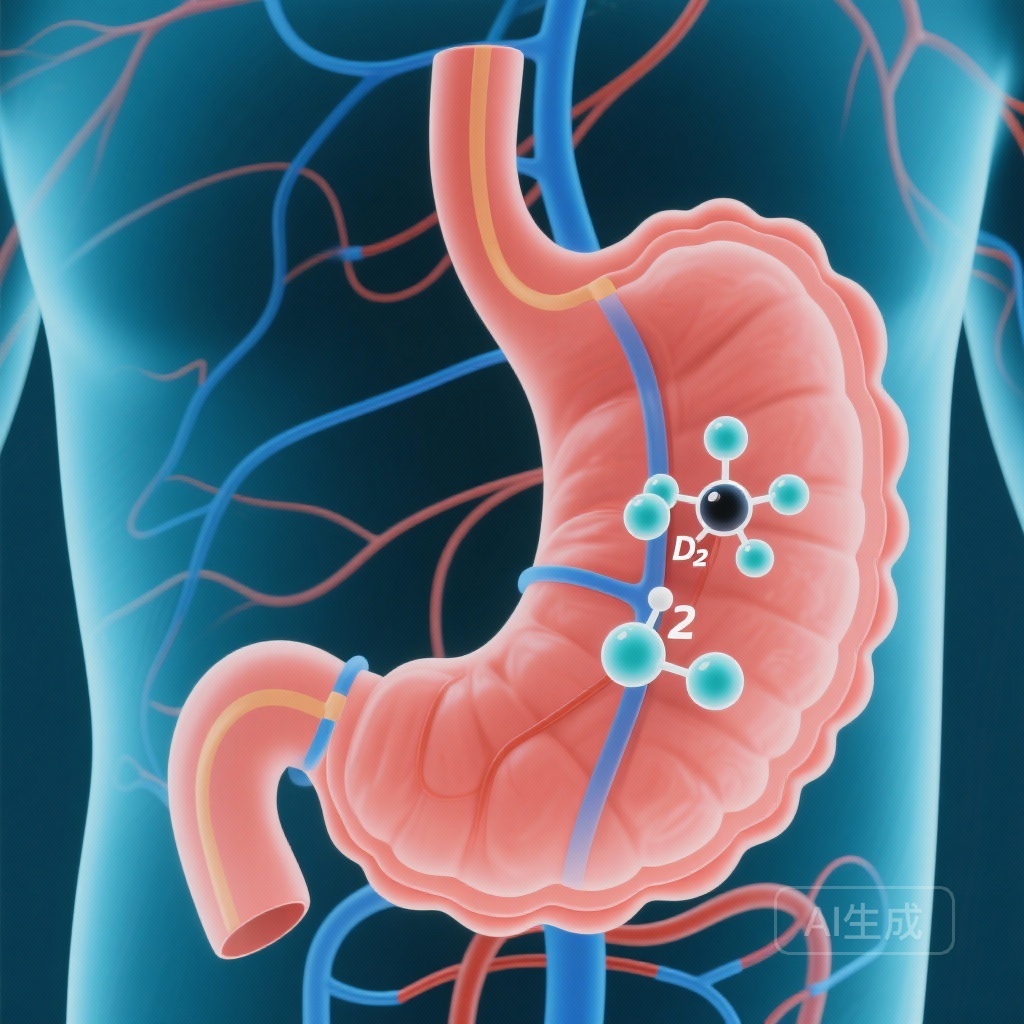
The UMC‑UPPERGI‑01 randomized trial (n=208) found laparoscopic distal gastrectomy with D2 lymphadenectomy had similar 30‑day morbidity and mortality to open surgery for clinical T4a gastric cancer, despite longer operative times and modestly higher blood loss.
Izalontamab Brengitecan Doubles Response Rates Versus Chemotherapy in Heavily Pretreated Recurrent or Metastatic Nasopharyngeal Carcinoma

Izalontamab Brengitecan Doubles Response Rates Versus Chemotherapy in Heavily Pretreated Recurrent or Metastatic Nasopharyngeal Carcinoma

A phase 3 randomized trial in China showed the EGFR/HER3 bispecific antibody‑drug conjugate izalontamab brengitecan produced a 54.6% objective response rate versus 27.0% with chemotherapy in heavily pretreated recurrent or metastatic nasopharyngeal carcinoma, though hematologic toxicity was substantial.