SGLT2 Inhibitors Provide Robust Kidney Protection Across All Stages of CKD and Levels of Albuminuria: Evidence from the SMART-C Meta-Analysis

SGLT2 Inhibitors Provide Robust Kidney Protection Across All Stages of CKD and Levels of Albuminuria: Evidence from the SMART-C Meta-Analysis

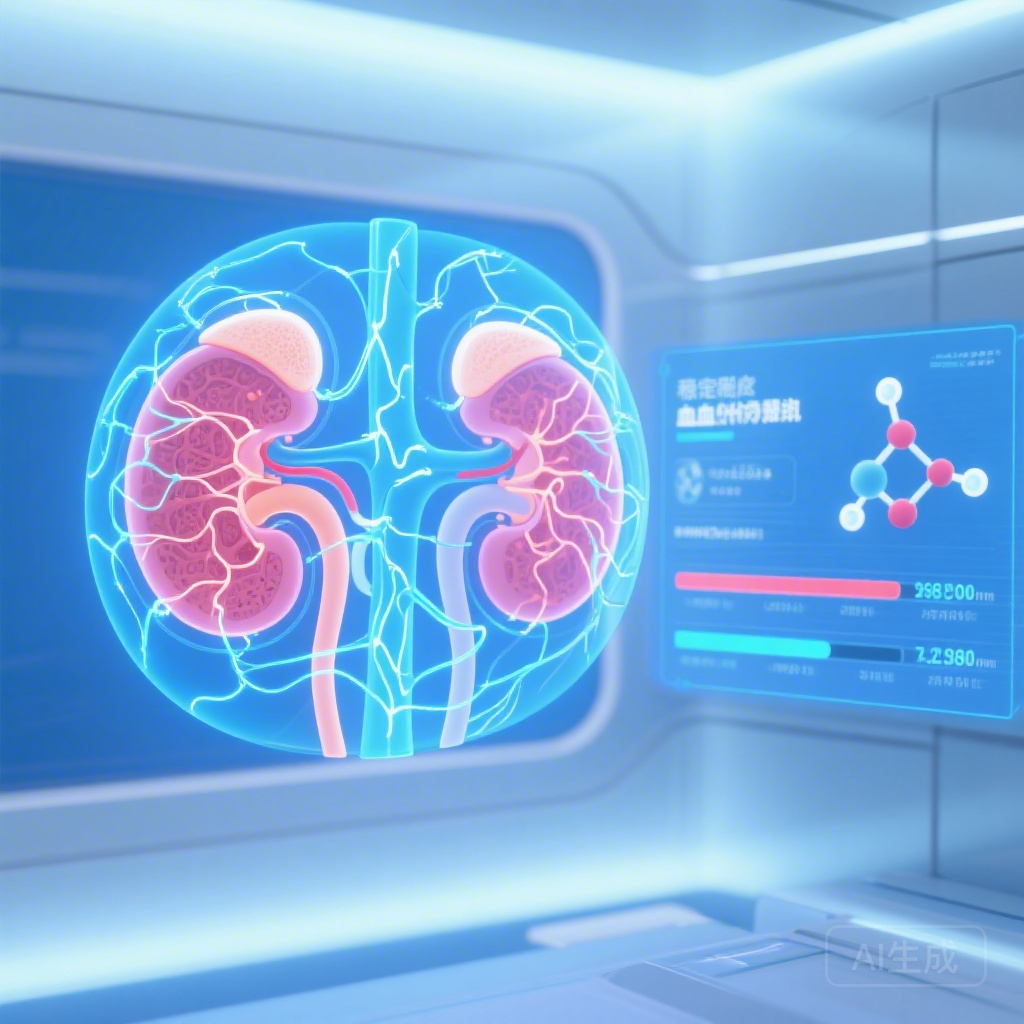
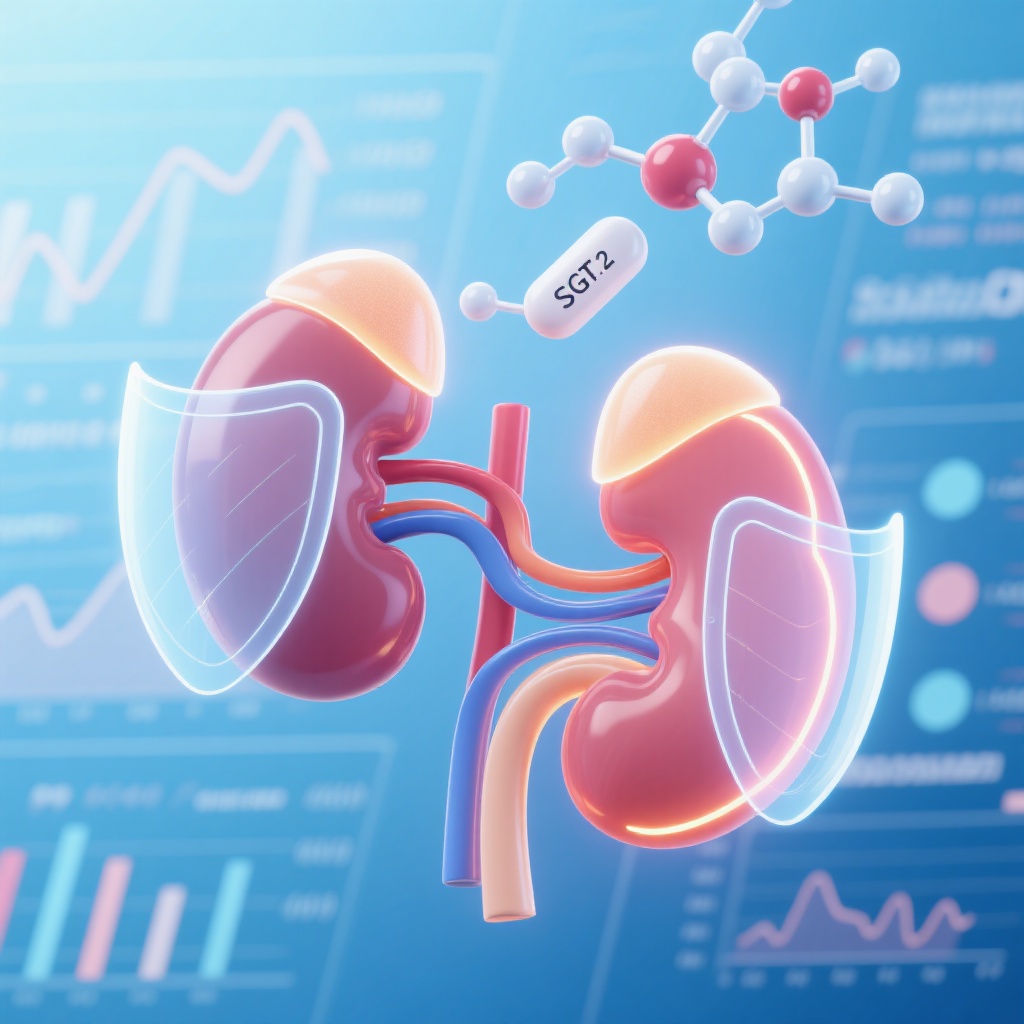
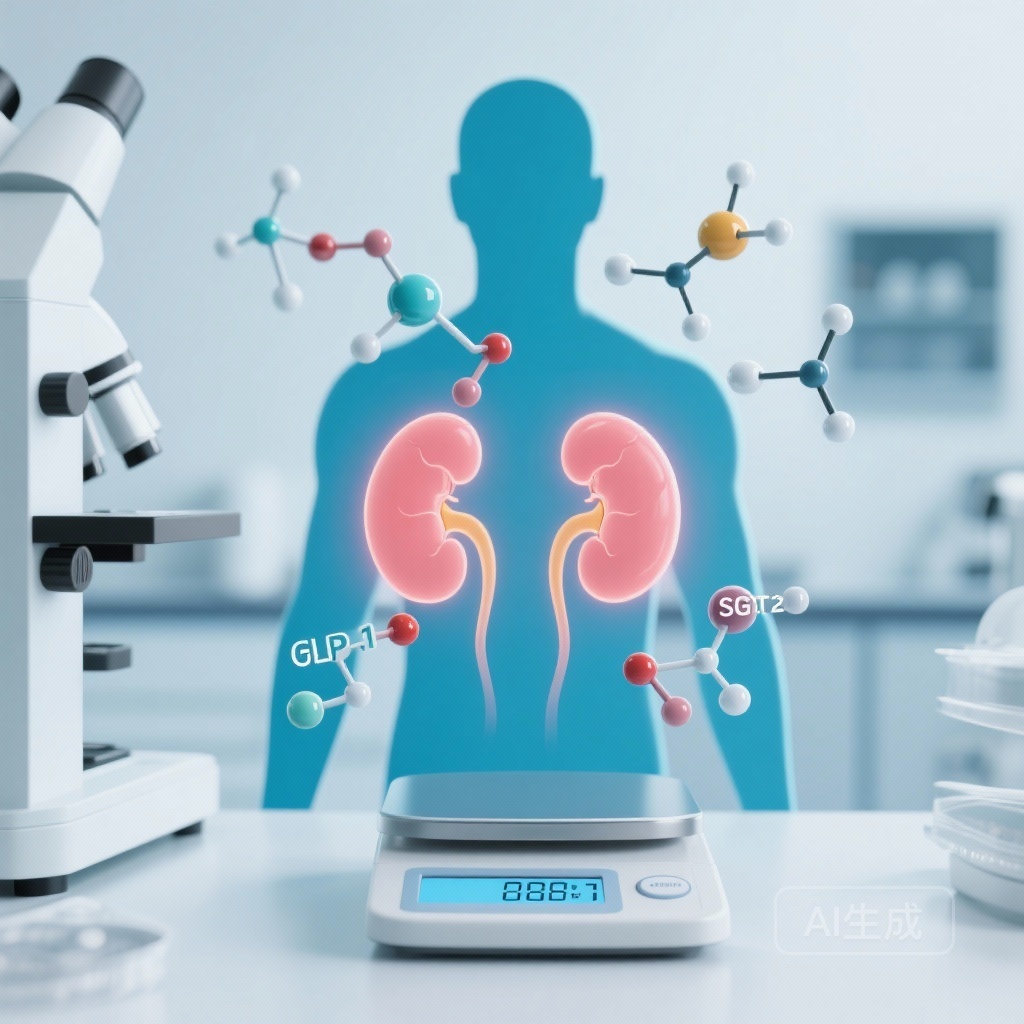
A meta-analysis of over 70,000 participants confirms that SGLT2 inhibitors significantly reduce chronic kidney disease progression regardless of baseline kidney function or albuminuria levels, supporting their use even in patients with Stage 4 CKD or minimal protein excretion.
Oral Semaglutide Slows eGFR Decline in Patients with Type 2 Diabetes and High Cardiovascular Risk: Insights from the SOUL Trial

Oral Semaglutide Slows eGFR Decline in Patients with Type 2 Diabetes and High Cardiovascular Risk: Insights from the SOUL Trial

The SOUL trial demonstrates that oral semaglutide significantly slows the annual decline of estimated glomerular filtration rate (eGFR) in patients with type 2 diabetes and cardiovascular disease, despite not meeting the primary composite kidney endpoint in a population with preserved baseline renal function.
Finerenone Extends Cardiorenal Protection Across the Kidney Risk Spectrum in HFmrEF and HFpEF: Insights from FINEARTS-HF

Finerenone Extends Cardiorenal Protection Across the Kidney Risk Spectrum in HFmrEF and HFpEF: Insights from FINEARTS-HF

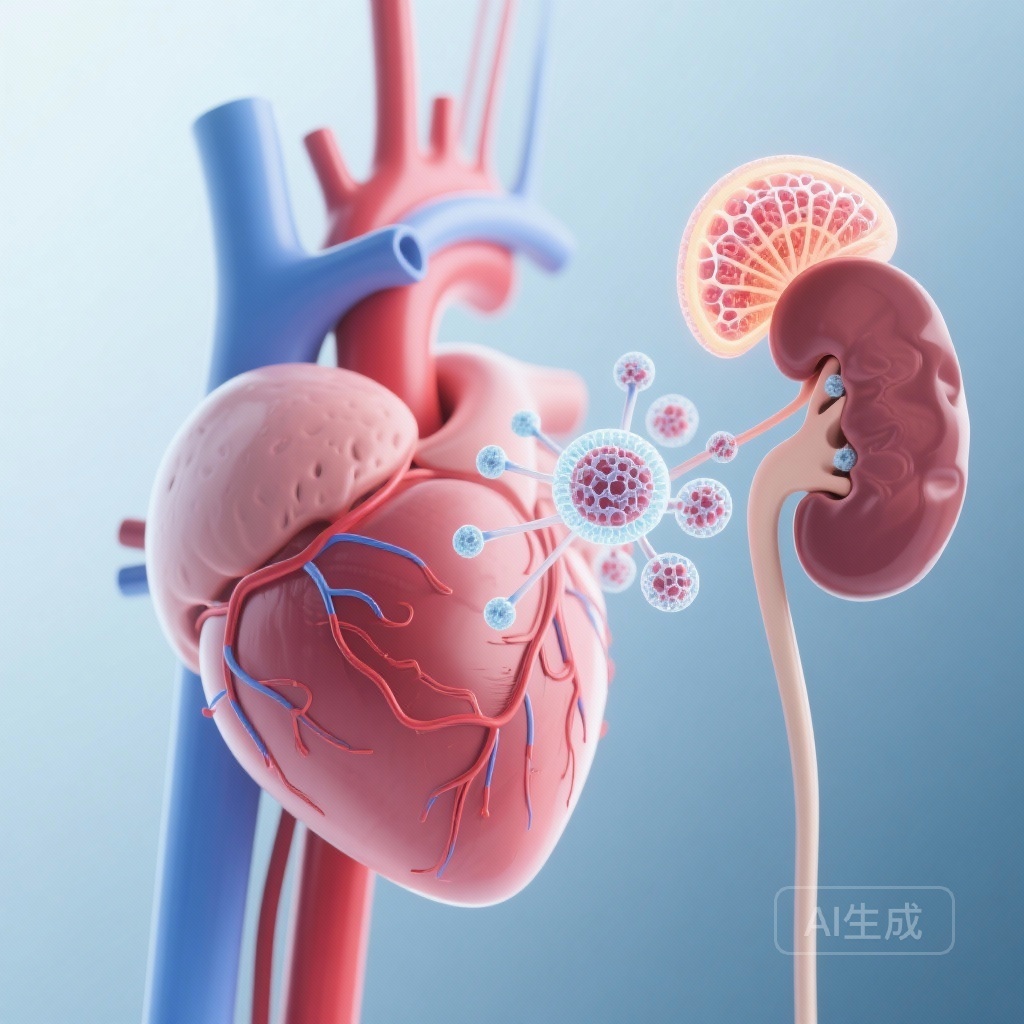
A prespecified analysis of the FINEARTS-HF trial demonstrates that the mineralocorticoid receptor antagonist finerenone consistently reduces cardiovascular death and heart failure events in patients with HFmrEF/HFpEF, regardless of baseline KDIGO kidney risk category, while maintaining a manageable safety profile.
Finerenone Reduces Albuminuria via Hemodynamic Mechanisms Rather Than Improving Arterial Stiffness: Insights from the FIVE-STAR Trial

Finerenone Reduces Albuminuria via Hemodynamic Mechanisms Rather Than Improving Arterial Stiffness: Insights from the FIVE-STAR Trial

The FIVE-STAR trial demonstrates that while finerenone significantly reduces albuminuria in patients with T2D and CKD, it does not improve arterial stiffness (CAVI). These findings suggest that its cardiorenal benefits are primarily driven by intraglomerular pressure modulation rather than systemic vascular remodeling.
Comparative Effectiveness of High-Dose versus Standard-Dose Influenza Vaccines in Chronic Kidney Disease and Cardiovascular Disease: Integrated Insights from the DANFLU-2 Trial

Comparative Effectiveness of High-Dose versus Standard-Dose Influenza Vaccines in Chronic Kidney Disease and Cardiovascular Disease: Integrated Insights from the DANFLU-2 Trial

The DANFLU-2 trial demonstrates that high-dose influenza vaccine provides superior protection against influenza-related hospitalizations in chronic kidney disease and reduces cardiorespiratory hospitalizations in older adults irrespective of cardiovascular disease status.
Conservative Kidney Management Versus Dialysis in Older Adults with Kidney Failure: Evidence Is Inconclusive — What Clinicians Should Know

Conservative Kidney Management Versus Dialysis in Older Adults with Kidney Failure: Evidence Is Inconclusive — What Clinicians Should Know

A 2025 Cochrane review of 24 non-randomised studies (26,127 participants) found very low‑certainty evidence comparing conservative kidney management (CKM) with dialysis in people aged ≥65 with stage 5 chronic kidney disease; survival and quality-of-life differences are uncertain, highlighting the need for individualized decisions and higher-quality research.