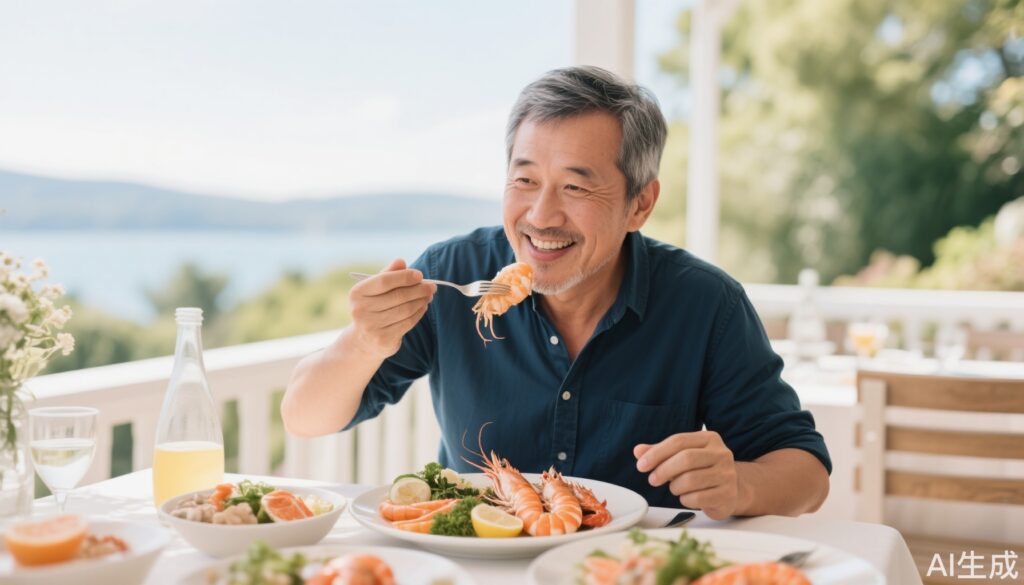
Discover how targeted nutrition—focusing on seafood, proteins, fats, vitamins, and nourishing foods—can enhance men's sexual health and vitality by supporting sperm quality, hormone balance, and overall wellness.
Explore scientifically grounded insights and practical techniques on how foreplay and mutual understanding enhance sexual climax and satisfaction for couples.
Recent research indicates that patients with type 2 diabetes who use SGLT2 inhibitors after a urinary tract infection have a lower mortality risk compared to those using DPP-4 inhibitors.
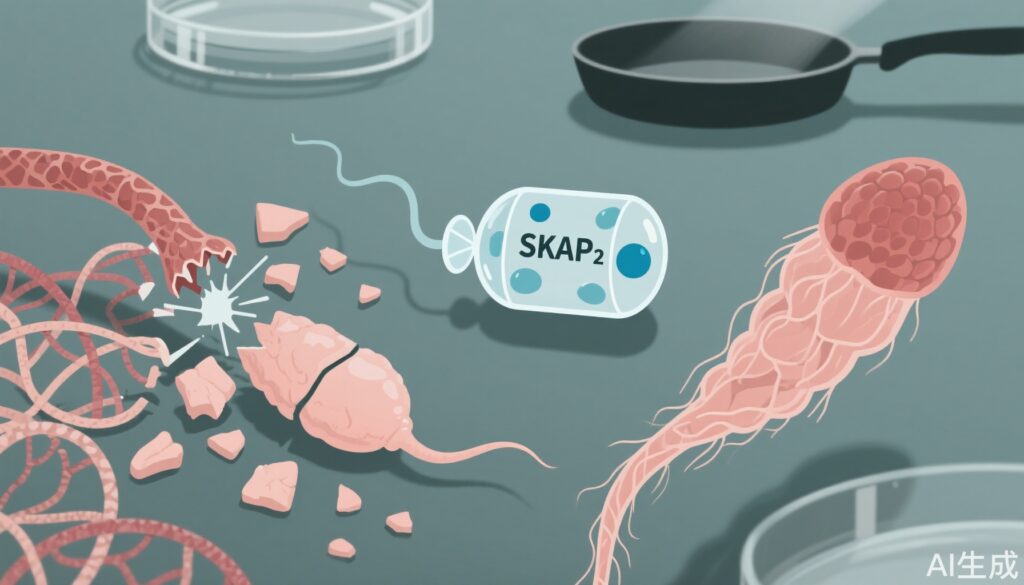
A multi‑institutional Advanced Science study links PTFE microplastic bioaccumulation to impaired spermatogenesis via SKAP2 suppression and shows that SKAP2‑rich milk‑derived extracellular vesicles restore sperm structure and function in human samples and mouse models.
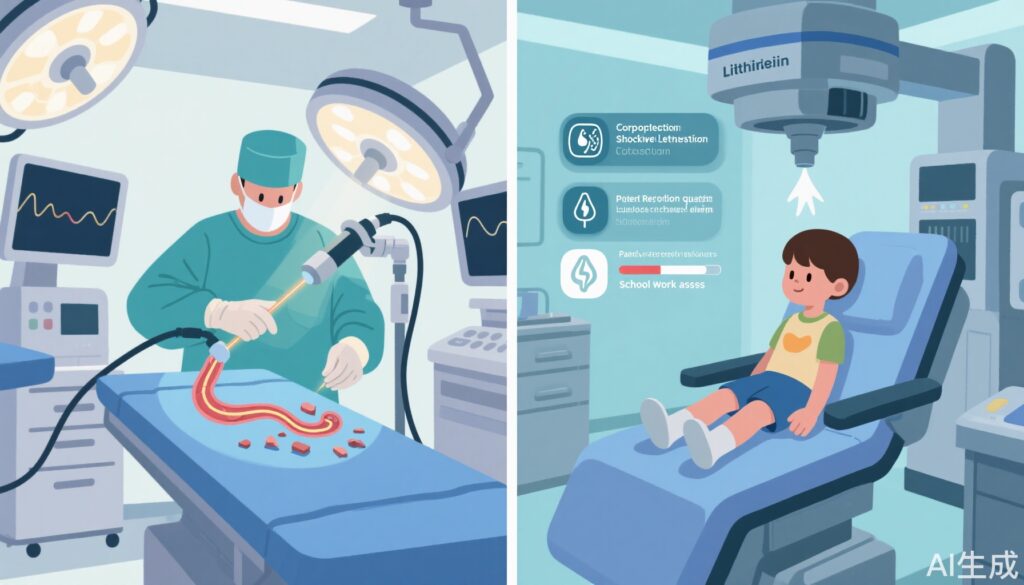
In 1,142 patients aged 8–21, a nonrandomized multicenter trial found no clinically meaningful difference in 6-week sonographic stone clearance between ureteroscopy and shockwave lithotripsy; SWL was associated with less pain and fewer missed school/workdays.
KEYNOTE-991 shows pembrolizumab does not improve progression-free or overall survival for mHSPC, and increases serious adverse events when added to enzalutamide and ADT.
Ejaculation control is a common concern for men, impacting confidence and relationships. This article explores causes, solutions, and practical strategies for improvement.
Discover how aerobic exercise, strength training, and pelvic floor exercises can enhance men's sexual function, supported by clinical evidence and expert advice.
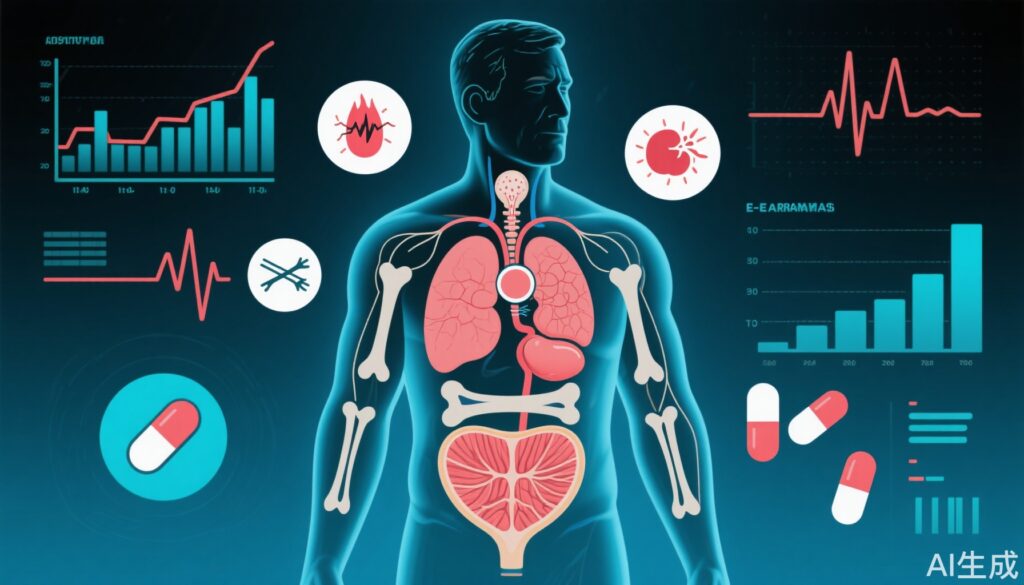
Testosterone therapy offers modest benefits for sexual function, anemia, and bone health in older men with hypogonadism, but increases risks of venous thromboembolism, fractures, and arrhythmias. Careful patient selection and individualized risk-benefit assessment are essential.
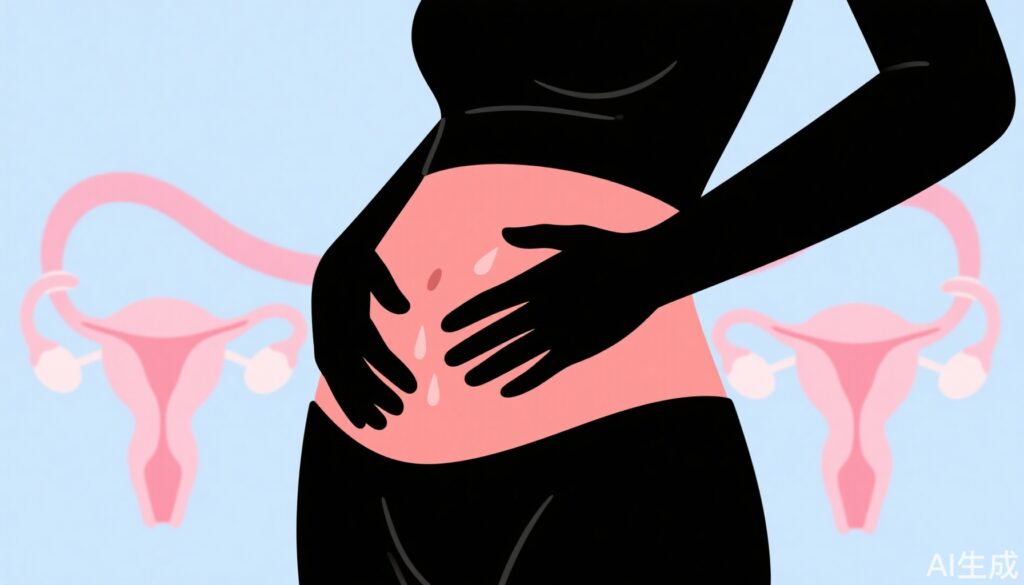
Pelvic inflammatory disease (PID) commonly presents with lower abdominal pain, abnormal vaginal discharge, and systemic symptoms like fever. Early recognition and treatment are vital to prevent complications.
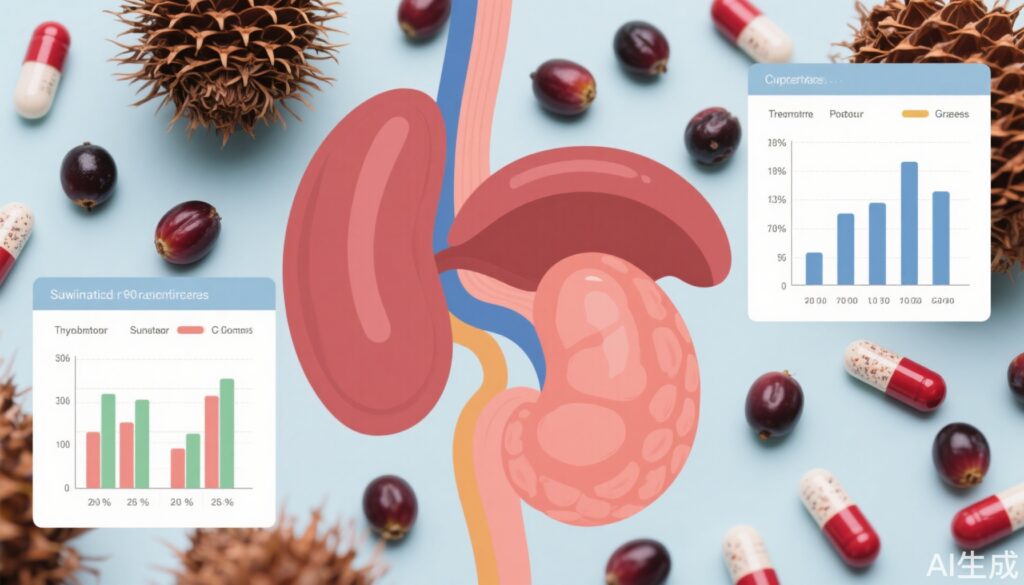
Recent high-quality evidence indicates that Serenoa repens provides little to no benefit for lower urinary tract symptoms due to benign prostatic enlargement compared to placebo.
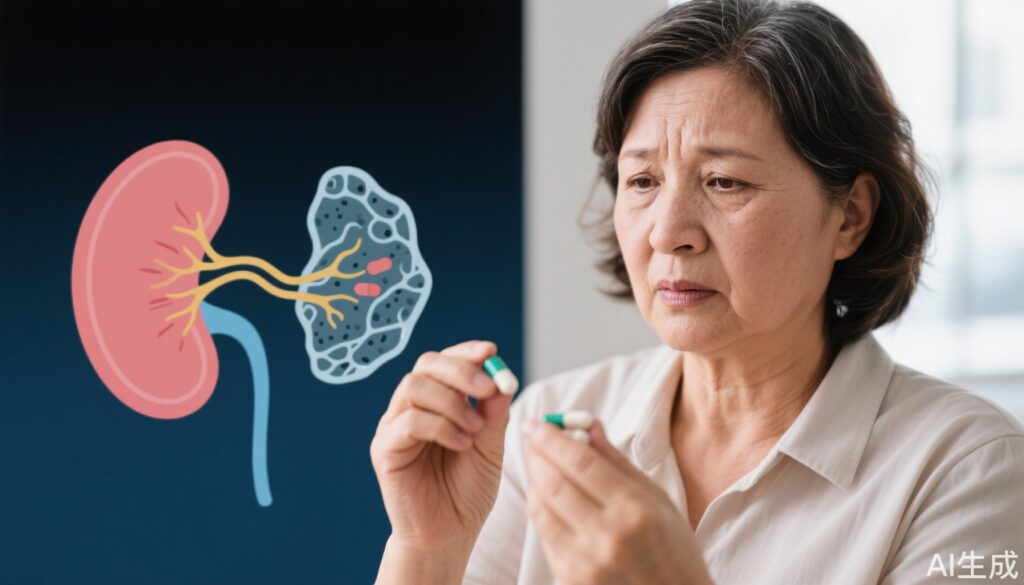
Exploring the relationship between calcium intake and kidney stones, this article provides evidence-based guidance for patients and health professionals.
The EV-302 trial shows enfortumab vedotin plus pembrolizumab improves survival and quality of life over platinum-based chemotherapy in untreated advanced urothelial cancer patients.
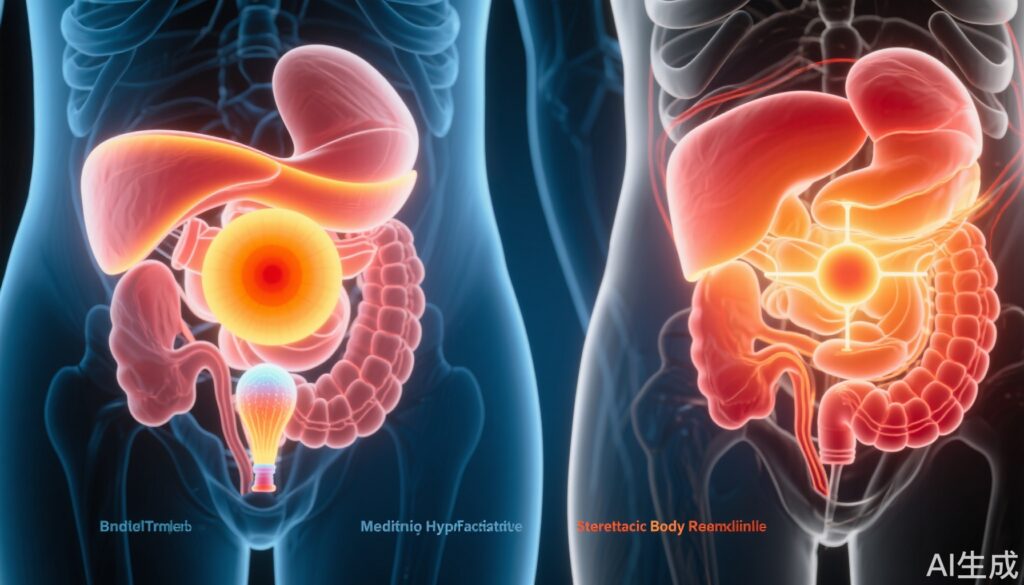
The PACE-C phase 3 trial shows that stereotactic body radiotherapy (SBRT) and moderately hypofractionated radiotherapy (MHRT) have comparable early toxicity profiles in intermediate- and high-risk prostate cancer patients.
The CONTACT-02 phase 3 trial shows cabozantinib plus atezolizumab improves progression-free survival but not overall survival in advanced mCRPC post-ARPI, offering a novel non-androgen receptor-based option.
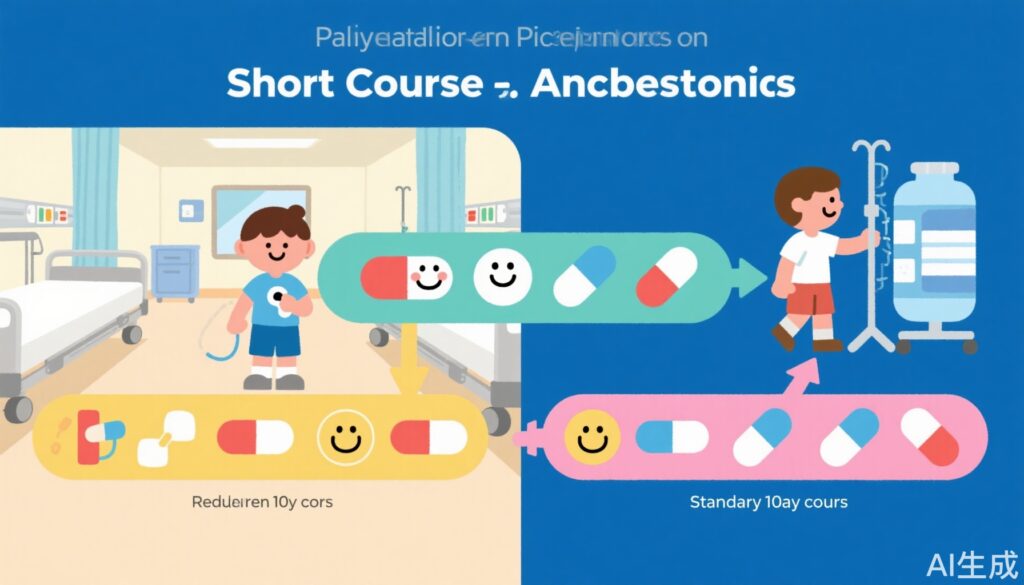
A Danish multicentre trial found individualised, shorter antibiotic regimens for febrile pediatric UTIs reduce overall antibiotic exposure and adverse events, but with a modestly higher recurrence risk compared to standard 10-day treatment.