Live Birth Rates Independent of Sex-Steroid Levels in Dydrogesterone-Based Programmed-Ovulatory FET: A Shift in Luteal Support Monitoring?

Live Birth Rates Independent of Sex-Steroid Levels in Dydrogesterone-Based Programmed-Ovulatory FET: A Shift in Luteal Support Monitoring?

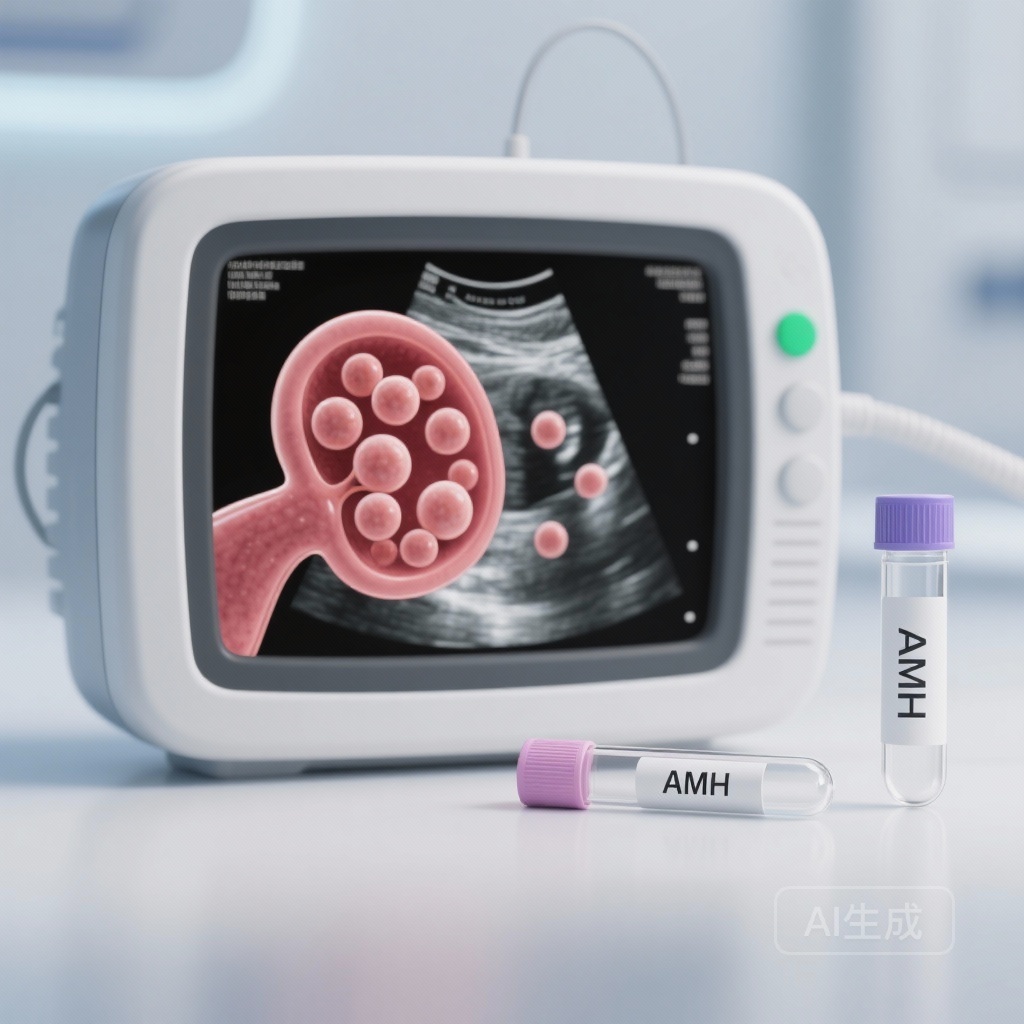
A multicentric study demonstrates that sex-steroid levels on the day of embryo transfer do not predict live birth rates in a novel programmed-ovulatory FET protocol using dydrogesterone, suggesting that routine hormonal monitoring may be unnecessary when corpus luteum function is preserved.
Predicting Alzheimer’s Progression: The Power of Tau-Clinical Mismatch in Identifying Copathology and Resilience

Predicting Alzheimer’s Progression: The Power of Tau-Clinical Mismatch in Identifying Copathology and Resilience

This study demonstrates that the mismatch between tau burden and clinical symptoms identifies individuals with non-AD copathology or cognitive resilience. These findings offer a precision medicine framework for predicting disease trajectories and monitoring responses to emerging anti-amyloid therapies.
Comparative Efficacy, Safety, and Complications of Subcutaneous Versus Transvenous Implantable Cardioverter-Defibrillators: Insights from the PRAETORIAN and ATLAS Trials and Meta-Analyses

Comparative Efficacy, Safety, and Complications of Subcutaneous Versus Transvenous Implantable Cardioverter-Defibrillators: Insights from the PRAETORIAN and ATLAS Trials and Meta-Analyses

This review synthesizes randomized trial data comparing subcutaneous and transvenous ICDs, highlighting differences in inappropriate shocks, device-related complications, and shock efficacy, underscoring clinical considerations for ICD selection.
High BMI, High Benefit: How PCSK9 Inhibition Optimizes Outcomes in Obese Patients with ASCVD

High BMI, High Benefit: How PCSK9 Inhibition Optimizes Outcomes in Obese Patients with ASCVD

A prespecified analysis of the FOURIER trial reveals that patients with obesity and atherosclerotic cardiovascular disease experience significantly higher absolute and relative risk reductions with evolocumab, particularly those with a BMI above 35 kg/m2, emphasizing a targeted therapeutic advantage for this high-risk population.
Sacubitril-Valsartan Shows Biological Activity in Chagasic Heart Failure: Insights from the ANSWER-HF Trial

Sacubitril-Valsartan Shows Biological Activity in Chagasic Heart Failure: Insights from the ANSWER-HF Trial

The ANSWER-HF trial compared sacubitril-valsartan to enalapril in patients with Chagasic heart failure. Although the primary endpoint of LVEF improvement was not met at 6 months, significant reductions in NT-proBNP and a favorable win ratio suggest biological activity and safety in this neglected population.
Elevated Cardiac Biomarkers Serve as Early Indicators of Structural Brain Damage and Cognitive Decline: Insights from the Hamburg City Health Study

Elevated Cardiac Biomarkers Serve as Early Indicators of Structural Brain Damage and Cognitive Decline: Insights from the Hamburg City Health Study

The Hamburg City Health Study reveals that elevated NT-proBNP and hs-cTnI are significantly linked to neurodegeneration and vascular brain injury. These cardiac biomarkers offer a non-invasive pathway for identifying patients at high risk for cognitive impairment and structural brain changes.