Immune-related adverse events strongly predict early graft rejection after liver transplant in HCC patients treated with checkpoint inhibitors

Immune-related adverse events strongly predict early graft rejection after liver transplant in HCC patients treated with checkpoint inhibitors

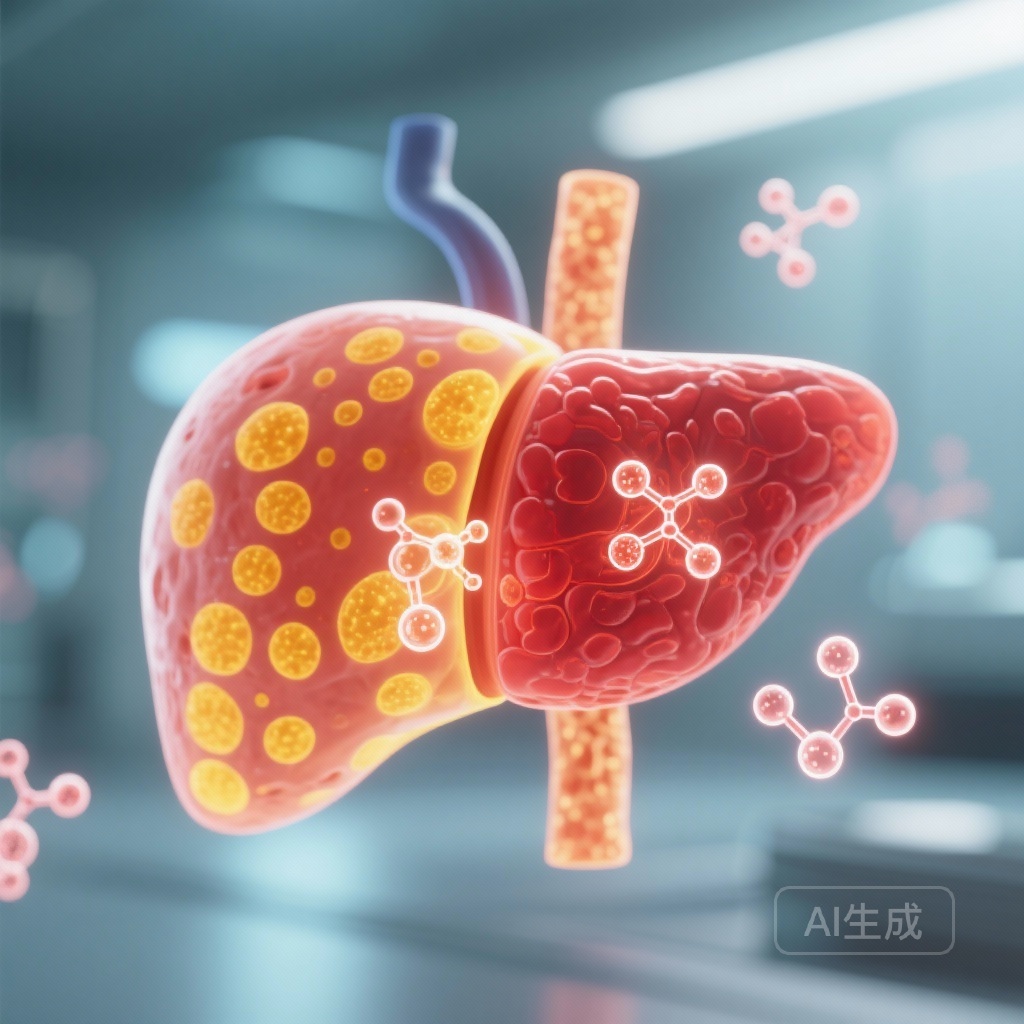
A multicentre retrospective cohort found that pretransplant immune-related adverse events (irAEs) markedly increase the risk of early liver allograft rejection after liver transplantation for hepatocellular carcinoma (HCC). IrAEs, short ICI washout, and younger recipient age were independent predictors.
Lactate Predicts Citrate Accumulation During Continuous Kidney Replacement Therapy: incidence, severity, and clinical implications

Lactate Predicts Citrate Accumulation During Continuous Kidney Replacement Therapy: incidence, severity, and clinical implications

In 911 critically ill patients on RCA-CKRT, citrate accumulation occurred in 17%. Pre-CKRT lactate strongly predicted accumulation (OR 2.34 per 1-unit increase on log scale); VIS was less discriminatory. Accumulation linked to liver dysfunction but not to shock and—after adjustment—did not increase mortality.
Higher Standardized ICU Admission Ratio After Rapid Response Calls Is Linked to Better Neurologic and Survival Outcomes: Insights from a Multicenter Japanese Registry

Higher Standardized ICU Admission Ratio After Rapid Response Calls Is Linked to Better Neurologic and Survival Outcomes: Insights from a Multicenter Japanese Registry

A multicenter retrospective Japanese study found that hospitals admitting more patients to ICU than predicted after rapid response activations had fewer poor neurologic outcomes or deaths within 30 days, suggesting ICU utilization after RRS events may influence recovery.
Continuous Intravenous Sedation Produces Novel EEG ‘Ups’ in Early Acute Hypoxemic Respiratory Failure — Implications for Monitoring and Outcomes

Continuous Intravenous Sedation Produces Novel EEG ‘Ups’ in Early Acute Hypoxemic Respiratory Failure — Implications for Monitoring and Outcomes

In mechanically ventilated patients with early acute hypoxemic respiratory failure, continuous IV sedation produces EEG patterns (EEG Ups) not seen in natural sleep; these patterns correlate with sedation dose, drug combinations, clinical sedation depth, and ICU mortality.
Physiologic PK-PD Modeling Reveals Greater Fentanyl Potency for Ventilatory Depression Than Simpler Approaches

Physiologic PK-PD Modeling Reveals Greater Fentanyl Potency for Ventilatory Depression Than Simpler Approaches

A population PK–PD study in healthy volunteers found that a physiologic model incorporating CO2 kinetics and a ventilatory controller estimates fentanyl potency for ventilatory depression at ~2.3 ng/mL—substantially lower than estimates from simpler models, with implications for perioperative opioid safety and modeling methodology.