Proton Therapy Outperforms Photons in Oropharyngeal Cancer: Superior Survival and Reduced Toxicity in a Phase 3 Trial

Proton Therapy Outperforms Photons in Oropharyngeal Cancer: Superior Survival and Reduced Toxicity in a Phase 3 Trial

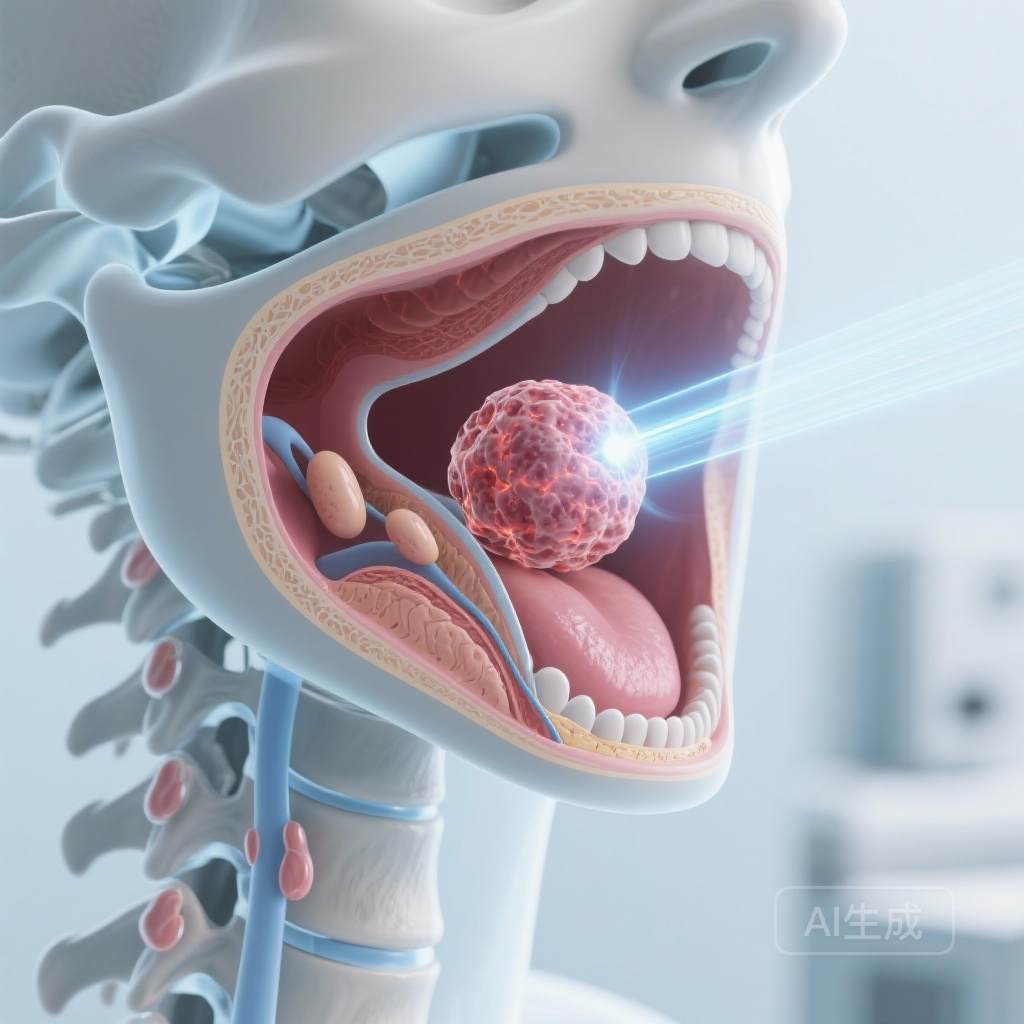
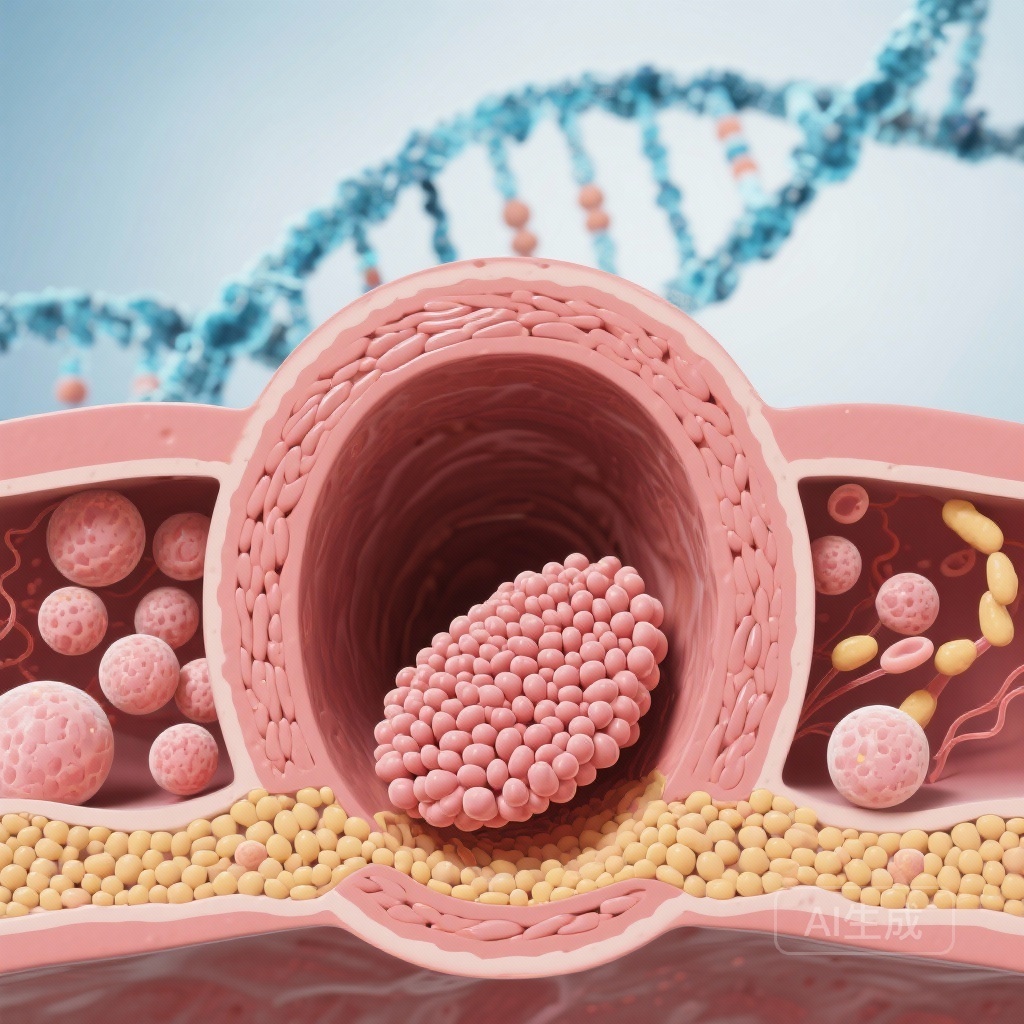
A landmark Phase 3 trial establishes Intensity-Modulated Proton Therapy (IMPT) as a new standard for oropharyngeal cancer, demonstrating non-inferior progression-free survival, significantly improved overall survival, and a marked reduction in long-term toxicities such as gastrostomy tube dependence.
Bevacizumab and Fractionated Stereotactic Radiotherapy: A Synergistic Breakthrough for Extensive Brain Metastases in NSCLC

Bevacizumab and Fractionated Stereotactic Radiotherapy: A Synergistic Breakthrough for Extensive Brain Metastases in NSCLC

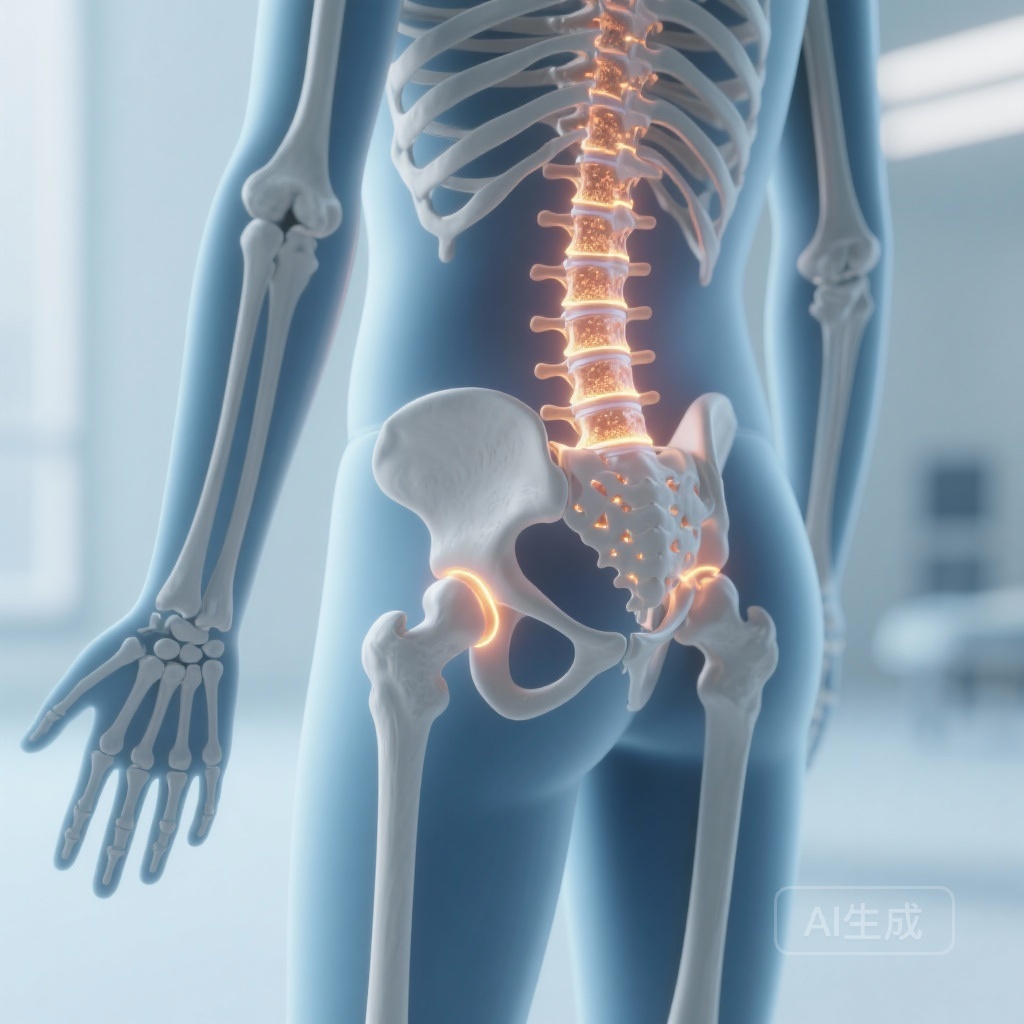
The GASTO-1053 phase II study demonstrates that combining bevacizumab with fractionated stereotactic radiotherapy significantly improves intracranial progression-free survival (18.3 months) and quality of life for NSCLC patients with extensive brain metastases, providing a safe, effective alternative to whole-brain radiotherapy.
Adjuvant Camrelizumab plus Capecitabine Extends Recurrence-Free Survival in Resected Intrahepatic Cholangiocarcinoma: Results from the Phase 2 ACC Trial

Adjuvant Camrelizumab plus Capecitabine Extends Recurrence-Free Survival in Resected Intrahepatic Cholangiocarcinoma: Results from the Phase 2 ACC Trial

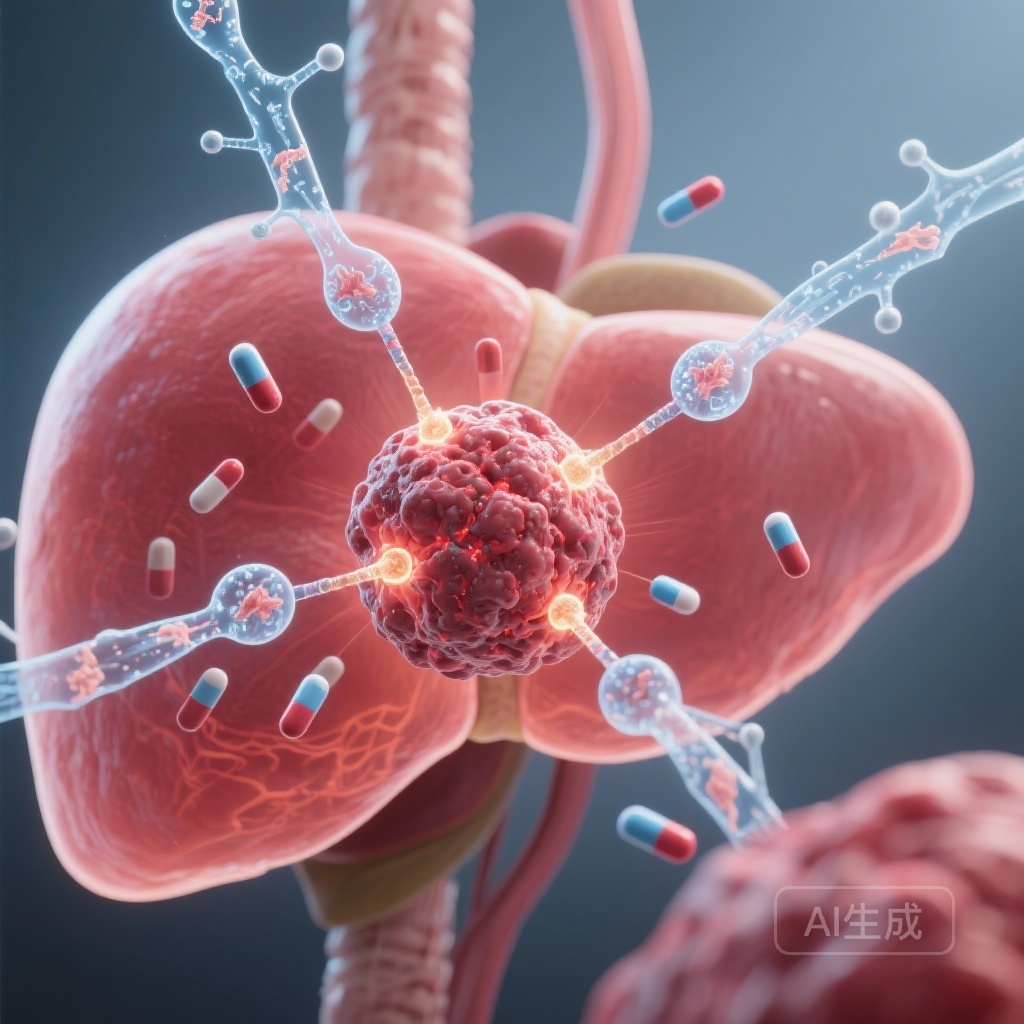
The Phase 2 ACC trial demonstrates that adjuvant camrelizumab combined with capecitabine achieves a median recurrence-free survival of 24.29 months for patients with resected intrahepatic cholangiocarcinoma, offering a promising and manageable immunochemotherapy strategy for this high-risk population.
Hemodynamic Conservation vs. Obliteration: Why the CHIVA Method and Hybrid Innovations are Redefining Venous Insufficiency Care

Hemodynamic Conservation vs. Obliteration: Why the CHIVA Method and Hybrid Innovations are Redefining Venous Insufficiency Care

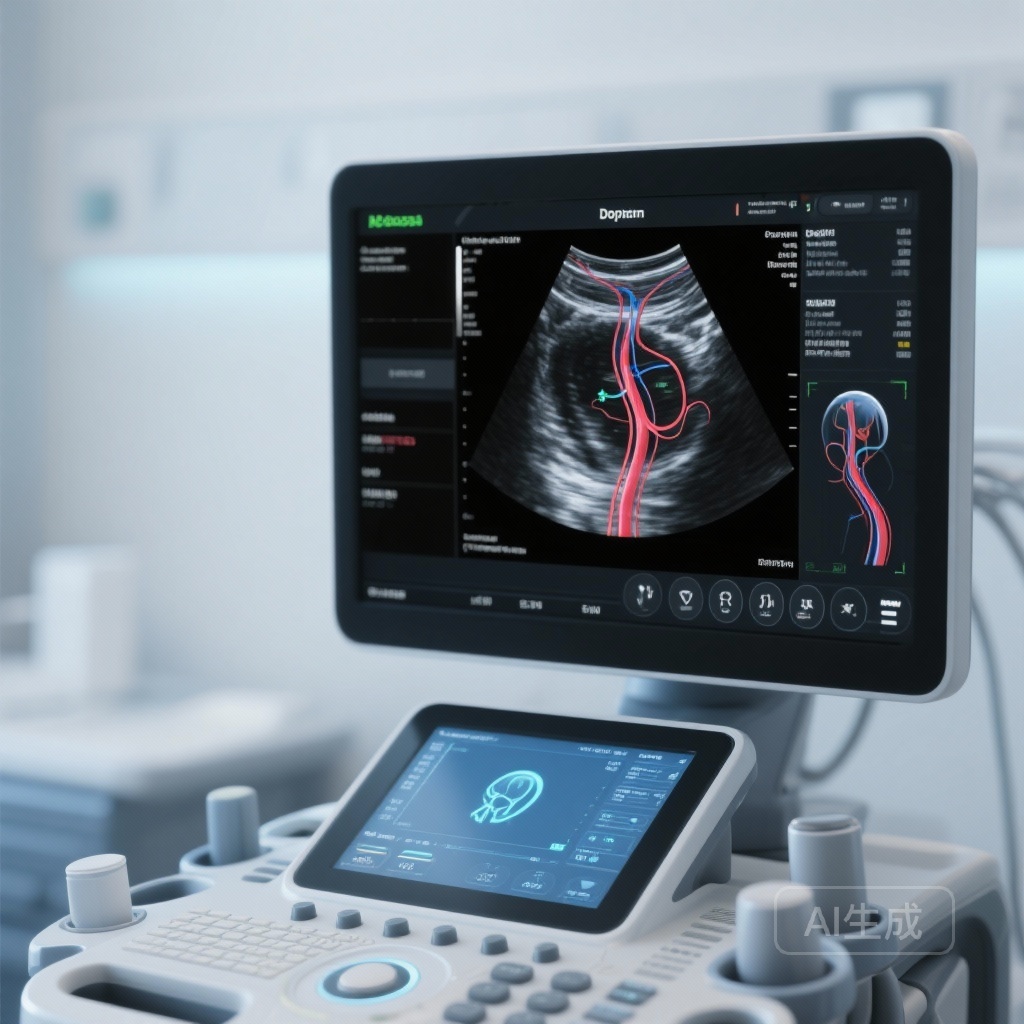
This clinical analysis explores the CHIVA method's role in chronic venous insufficiency, highlighting its superior safety profile and low recurrence rates. By synthesizing Cochrane data and emerging technologies like HIFU, it offers a blueprint for transition from ablative surgery to hemodynamic-based venous conservation.