Waist circumference is a superior predictor of metabolic liver diseases, outperforming BMI and other body metrics in assessing MASLD, MASH, and liver stiffness risks.
The SHIP AHOY Study demonstrates that even modest elevations in blood pressure during adolescence are linked to a greater burden of subclinical target organ injury, underscoring the importance of early detection and intervention.
This article demystifies key clinical trial efficacy endpoints in oncology, including OS, DFS, PFS, ORR, CR, PR, SD, PD, and DCR, providing clinicians with a practical guide to their definitions, roles, and interpretation.
New meta-analysis reveals a strong dose-response relationship between fecal hemoglobin concentration and colorectal neoplasia risk, even among FIT-negative individuals, supporting personalized screening intervals.
PD-1 inhibitor resistance is a major hurdle in cancer immunotherapy. Six leading combination strategies—including chemotherapy, anti-angiogenic agents, radiotherapy, novel checkpoint inhibitors, microbiome modulation, and ADCs—offer new hope for overcoming resistance and improving patient outcomes.
Women with endometriosis exhibit blunted blood pressure responses to physiological stress, challenging prior assumptions about their cardiovascular risk profile. Aspirin, a COX inhibitor, does not modify these attenuated responses.
AI decision support significantly improves primary care clinicians’ accuracy in spirometry diagnosis, especially for COPD, addressing a key gap in respiratory disease management.
Emerging evidence links gut microbiome alterations to hypertension, offering novel therapeutic opportunities. Interventions like dietary fiber, probiotics, and even fecal microbiota transplantation show promise for patients with treatment-resistant hypertension.
Emerging evidence points to a multifactorial etiology of primary hypertension, challenging the traditional kidney-centric perspective and highlighting the need for integrated approaches in prevention and management.
A landmark study quantitatively benchmarks a multi-agent LLM-based AI system against board-certified clinicians in real-world virtual acute care, revealing near-equivalent diagnostic and therapeutic performance with superior documentation safety and consistency.
This article provides practical dietary and lifestyle recommendations to help individuals with hypertension manage their condition and reduce cardiovascular risks.
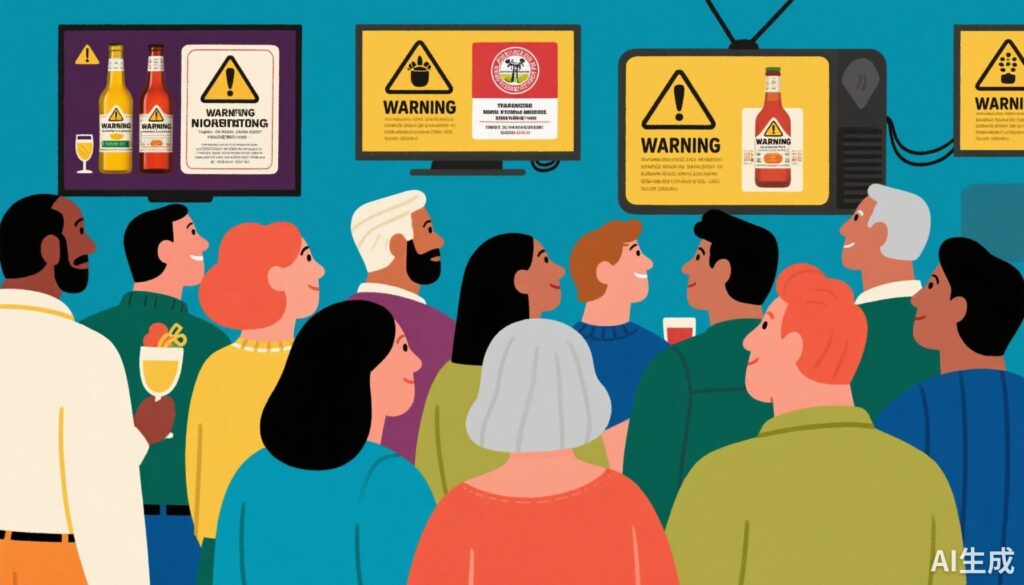
A large pooled analysis across continents confirms a linear, dose-dependent association between alcohol consumption and pancreatic cancer risk—independent of smoking status and with significant public health implications.
The TIFFANY phase 3 trial demonstrates tibremciclib plus fulvestrant extends progression-free survival nearly threefold in advanced HR+/HER2- breast cancer following endocrine therapy, with a 63% risk reduction for progression or death and manageable safety.
A phase I trial published in JCO demonstrates that a novel combination of MIBG, dinutuximab, and vorinostat achieves up to 75% disease control in relapsed/refractory neuroblastoma, offering new hope for high-risk pediatric patients.
A comprehensive meta-analysis confirms that Helicobacter pylori eradication reduces gastric cancer risk and related deaths, especially benefiting high-risk groups, supporting widespread screening and treatment.