A novel, evidence-based counseling tool was developed to guide patients in safely resuming sexual activity after pelvic reconstructive surgery. The tool integrates patient perspectives and expert input, addressing safety, discomfort, and recovery expectations.
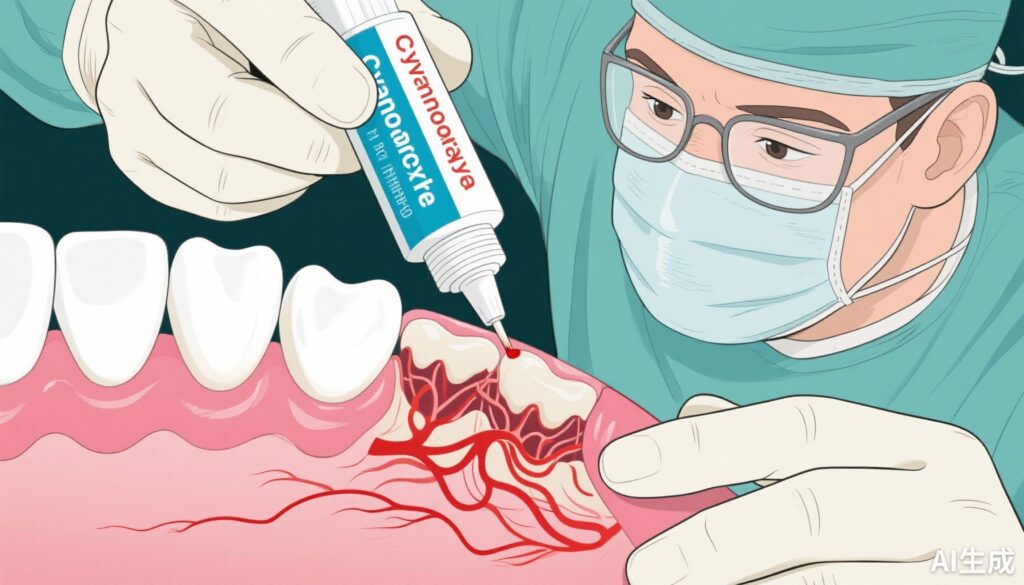
This clinical trial explores how n-butyl cyanoacrylate can improve healing, reduce graft shrinkage, and minimize postoperative discomfort in periodontal graft procedures.
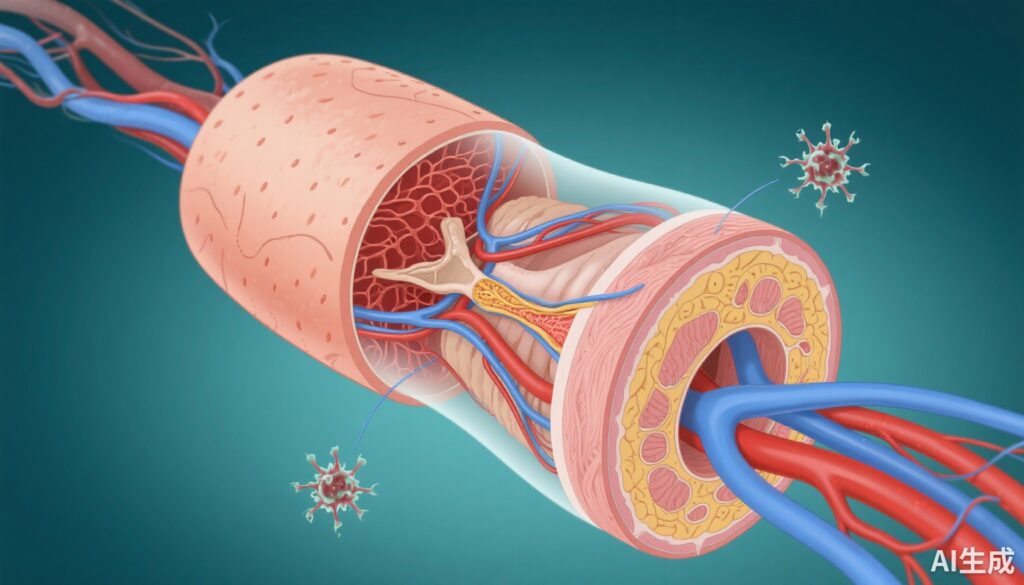
This article explores the clinical features, underlying mechanisms, and potential therapeutic targets for chronic rejection in VCA, emphasizing the importance of tailored interventions to improve long-term graft survival.
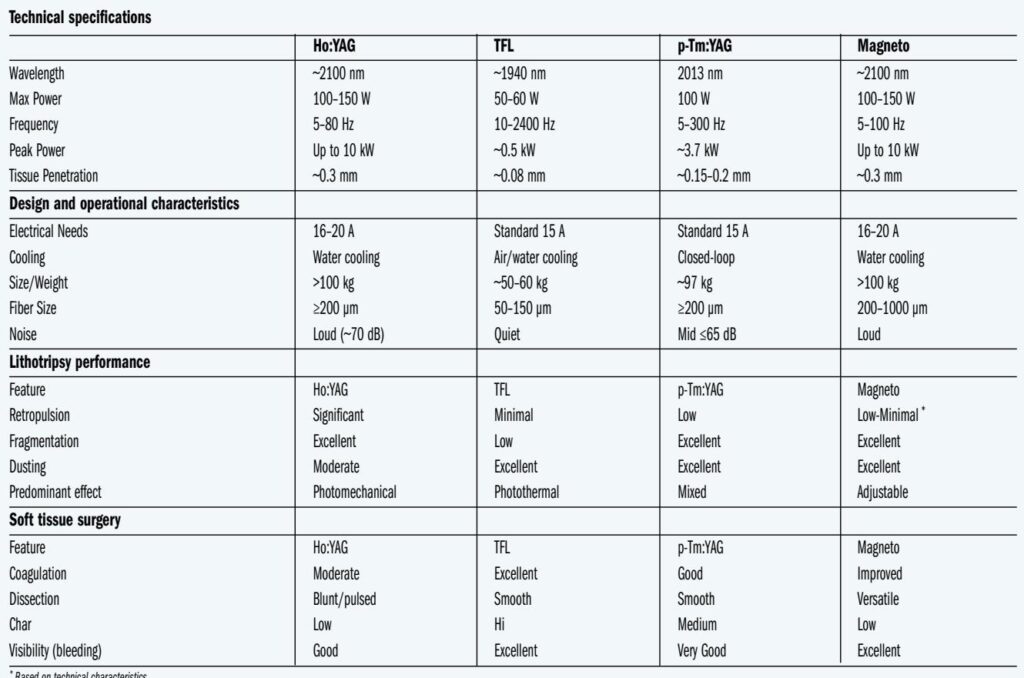
The ESD 2025 expert consensus updates diagnosis, prevention and interventional care for urinary stones—prioritizing metabolic evaluation, morpho‑compositional stone analysis, pressure/temperature safety in endourology, suction-enabled RIRS, and individualized selection between PCNL, RIRS and SWL.
This article reviews 12 evidence-backed strategies to enhance sustainability in gynecologic surgery by minimizing single-use disposables and reducing carbon emissions in the operating room.
This study evaluates the efficacy of vertebral artery reconstruction surgery versus medical therapy in reducing stroke recurrence and improving neurological outcomes over a ten-year period.
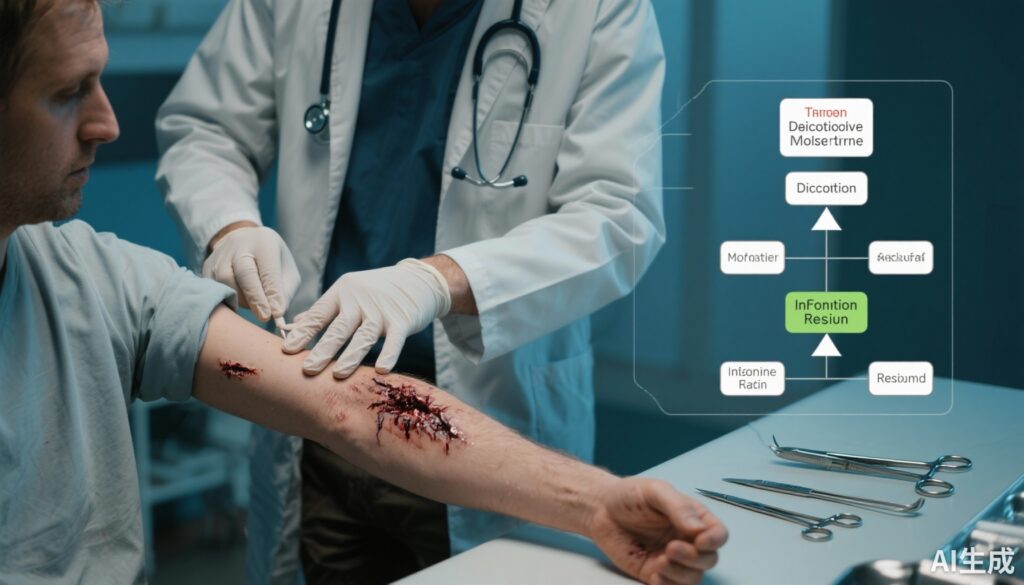
This article reviews injury profiles from animal bites, emphasizing plastic surgery roles, treatment strategies, and a predictive model for complications, based on a large clinical dataset from Balıkesir University.
This study applies machine learning and explainable AI to identify factors associated with chronic pain, psychological distress, and their co-occurrence in Norwegian young adults, highlighting the importance of integrated approaches for early intervention.
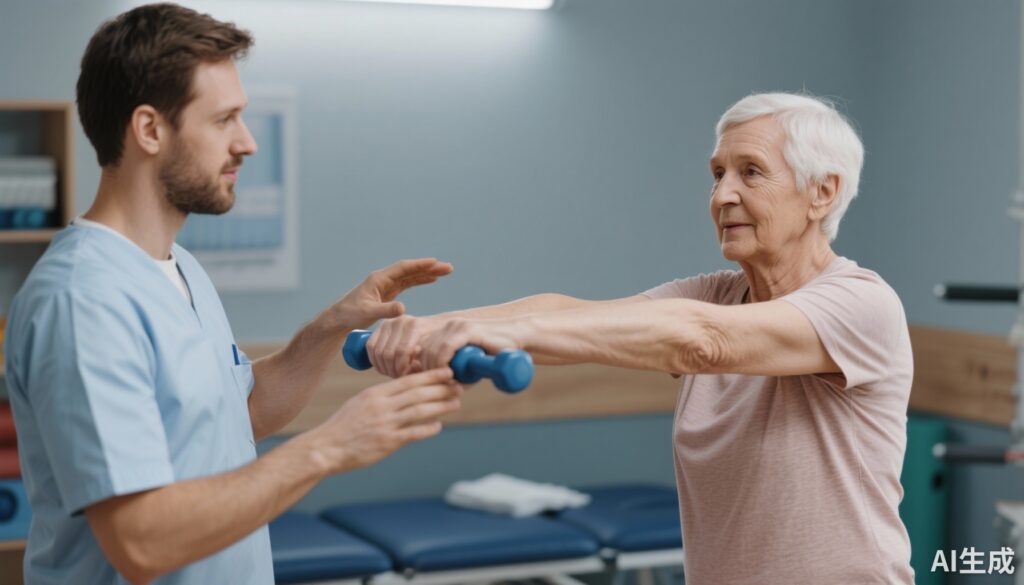
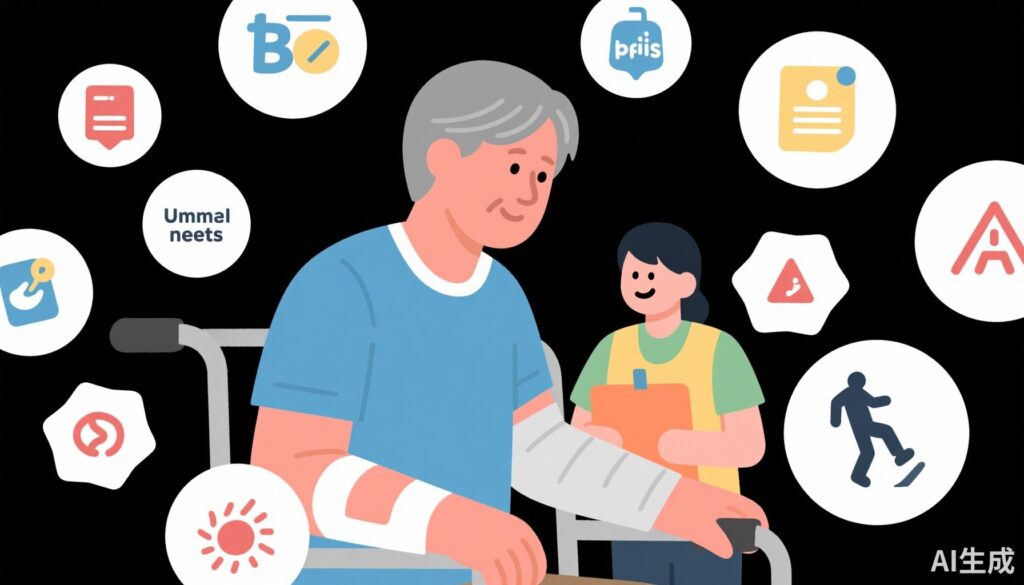
Integrating tailored adherence support into exercise rehabilitation for vertebral fragility fractures significantly improves functional mobility and walking capacity compared to standard exercise alone at 12 months.
Obesity management in cardiac rehabilitation (CR) is underutilized despite its cardiovascular benefits. This review explores the evidence, complexities, patient perspectives, and healthcare provider attitudes, emphasizing tailored strategies to optimize care within CR programs.
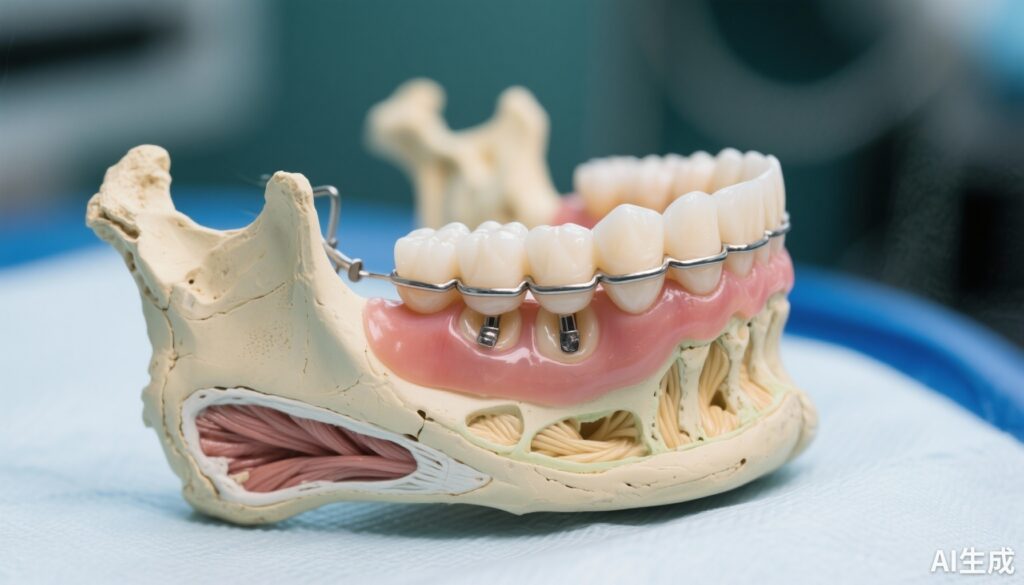
This review highlights the multifactorial determinants of masticatory function in patients rehabilitated after mandibulectomy, emphasizing the crucial role of posterior occlusal supports.
This study evaluates the safety, effectiveness, and longevity of implant-supported prostheses in disabled patients treated under general anesthesia over 14 years.
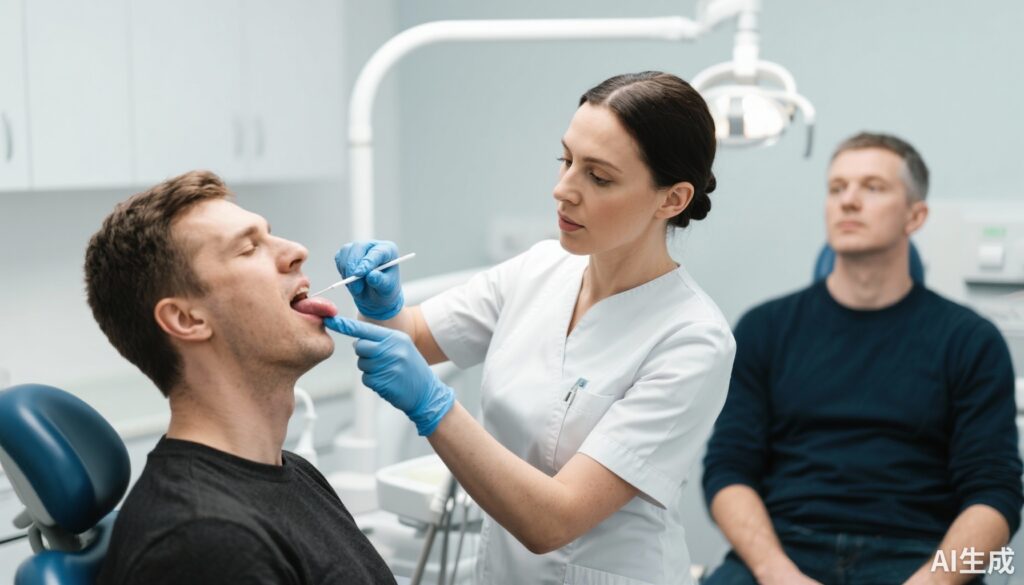
This review examines a study on the long-term impact of an oral rehabilitation program on patients with and without tongue cancer, highlighting benefits and clinical implications.
This study highlights how long-term unmet needs and rehabilitation deficits adversely affect the quality of life among stroke survivors in South Korea, emphasizing the need for community-based support systems.
This case report details a long-term successful esthetic rehabilitation using thin feldspathic ceramic laminate veneers to close diastemas and improve tooth morphology, with a follow-up exceeding 12 years.
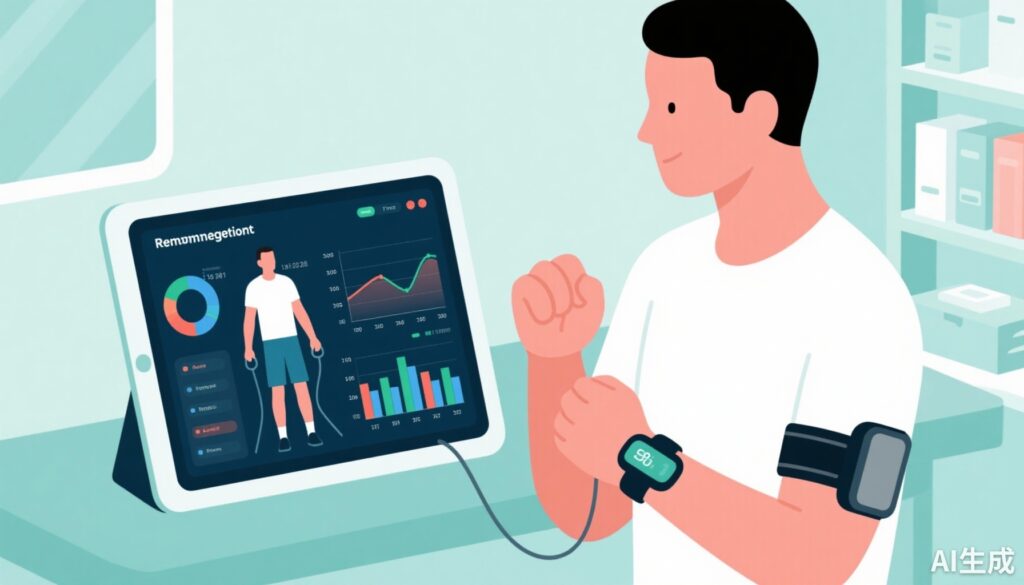
This study evaluates how smartwatch-assisted home-based cardiac rehab improves exercise adherence and health outcomes in coronary heart disease patients.
This review discusses a landmark study demonstrating how wearable devices and online coaching improve exercise capacity in coronary artery disease patients, highlighting advancements in remote cardiac rehabilitation.