Cochlear Implant Benefits in Children with Single‑Sided Deafness: Better in Quiet, Challenged in Noise — and Time Matters

Cochlear Implant Benefits in Children with Single‑Sided Deafness: Better in Quiet, Challenged in Noise — and Time Matters

In 185 children receiving unilateral cochlear implants, residual acoustic hearing favored the non-implanted ear in quiet (especially for SSD), but noise attenuated that advantage. Shorter auditory deprivation and longer CI experience reduced asymmetry and increased bilateral benefit, underscoring the value of early intervention.
Longitudinal Developmental Outcomes and Early Cochlear Implantation Benefits in Children with Prelingual Single-Sided Deafness: Evidence Synthesis and Clinical Recommendations

Longitudinal Developmental Outcomes and Early Cochlear Implantation Benefits in Children with Prelingual Single-Sided Deafness: Evidence Synthesis and Clinical Recommendations

Early cochlear implantation in children with prelingual single-sided deafness improves spatial hearing and cognitive outcomes, supporting neurodevelopment and mitigating risks of auditory deprivation and cortical reorganization.
Early Cochlear Implantation Shows Variable but Clinically Relevant Benefits in Children with Single-Sided Deafness: A Western Australian 10‑Year Series

Early Cochlear Implantation Shows Variable but Clinically Relevant Benefits in Children with Single-Sided Deafness: A Western Australian 10‑Year Series

A retrospective 10‑year series from Perth Children's Hospital reports heterogeneous long‑term outcomes after pediatric cochlear implantation for single‑sided deafness; earlier implantation (within 1 year) was associated with greater likelihood of benefit in speech‑in‑noise and localization.
Evaluating Radiologic Extranodal Extension in HPV-Positive Oropharyngeal Cancer: Accuracy, Prognostic Value, and Clinical Implications from a Multinational Real-World Study

Evaluating Radiologic Extranodal Extension in HPV-Positive Oropharyngeal Cancer: Accuracy, Prognostic Value, and Clinical Implications from a Multinational Real-World Study

This multinational real-world study reveals limited sensitivity and prognostic value of radiologic extranodal extension (iENE) in HPV-positive oropharyngeal cancer, highlighting the enhanced accuracy with combined CT and MRI and the need for standardized diagnostic criteria.
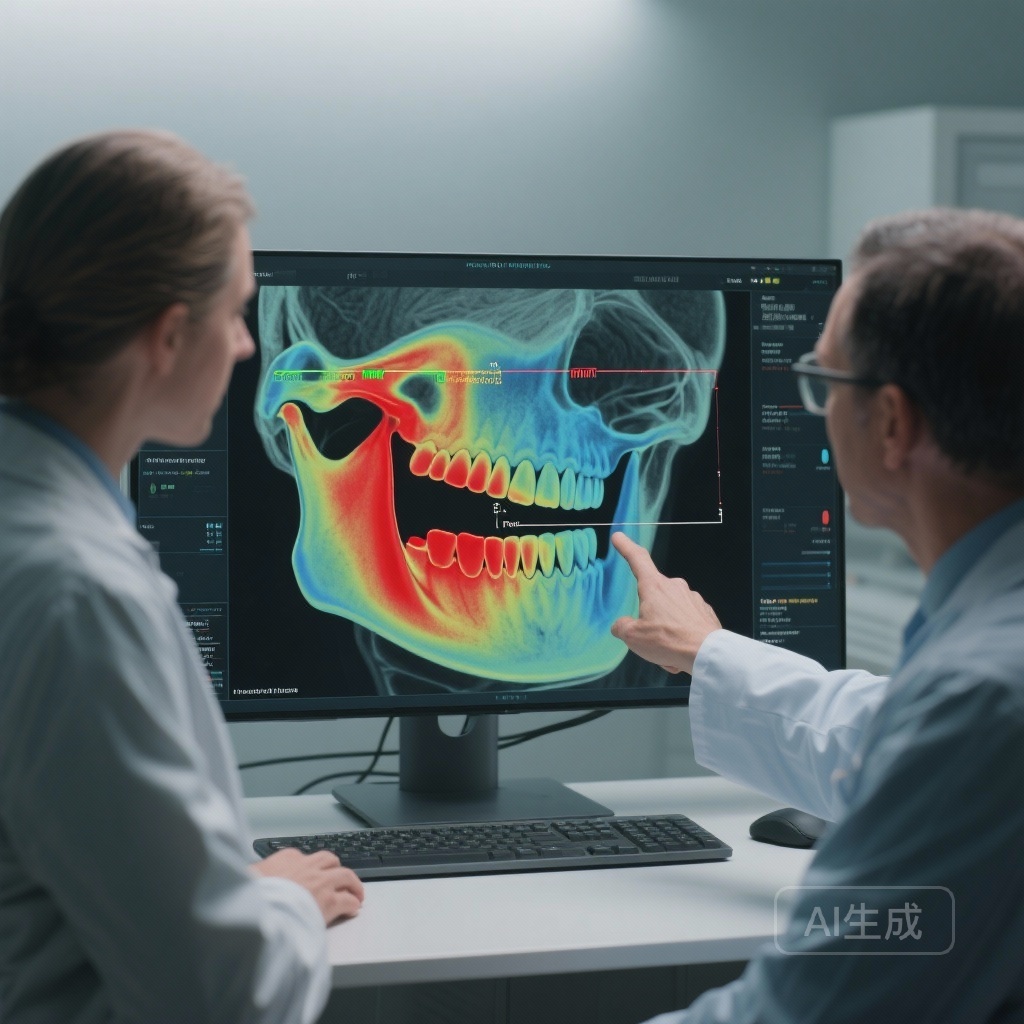
Artificial Intelligence in Imaging-Based Extranodal Extension Detection: Advancing Prognostication in HPV-Positive Oropharyngeal Cancer

Artificial Intelligence in Imaging-Based Extranodal Extension Detection: Advancing Prognostication in HPV-Positive Oropharyngeal Cancer

An AI-driven model accurately detects imaging-based extranodal extension in HPV-positive oropharyngeal cancer from CT scans, improving outcome prediction beyond expert radiologist assessments and identifying patients at higher risk of poorer survival and recurrence.