Once-Weekly Navepegritide Raises Growth Velocity and Improves Skeletal and Functional Outcomes in Children with Achondroplasia: Results from the APPROACH Trial

Once-Weekly Navepegritide Raises Growth Velocity and Improves Skeletal and Functional Outcomes in Children with Achondroplasia: Results from the APPROACH Trial

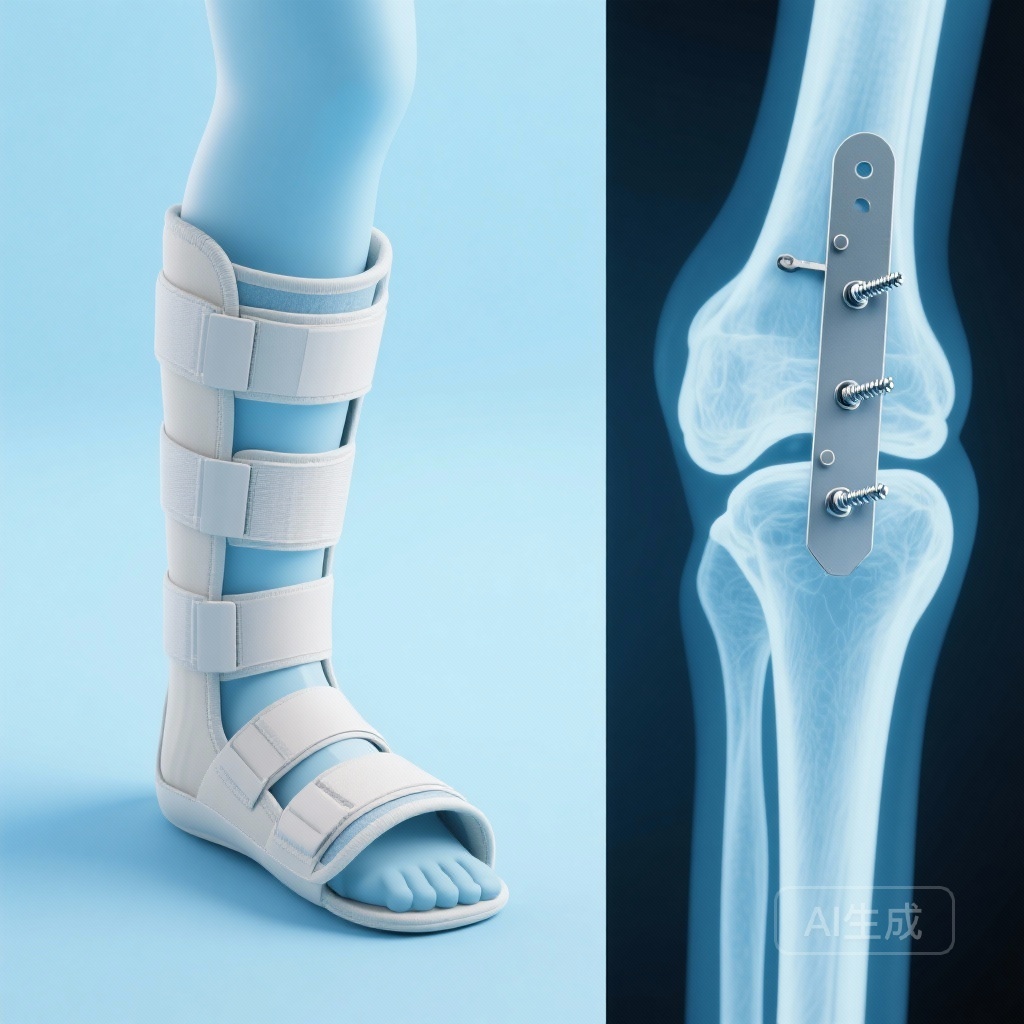
The APPROACH randomized trial found once-weekly navepegritide significantly increased annualized growth velocity and produced favorable skeletal alignment and physical-function improvements in children with achondroplasia, with an acceptable short-term safety profile.
Ankle and Knee Dominance, Female Vulnerability, and Game-Time Risk: Contemporary Injury Incidence in Basketball Players

Ankle and Knee Dominance, Female Vulnerability, and Game-Time Risk: Contemporary Injury Incidence in Basketball Players

Systematic review and meta-analysis of 22 studies finds player contact and non-contact mechanisms dominate; ankle (25.8%) and knee (15.5%) injuries account for 41% of injuries. Females have higher rates of knee, concussion, and ball-contact injuries; injury rates are higher in games and at collegiate level.
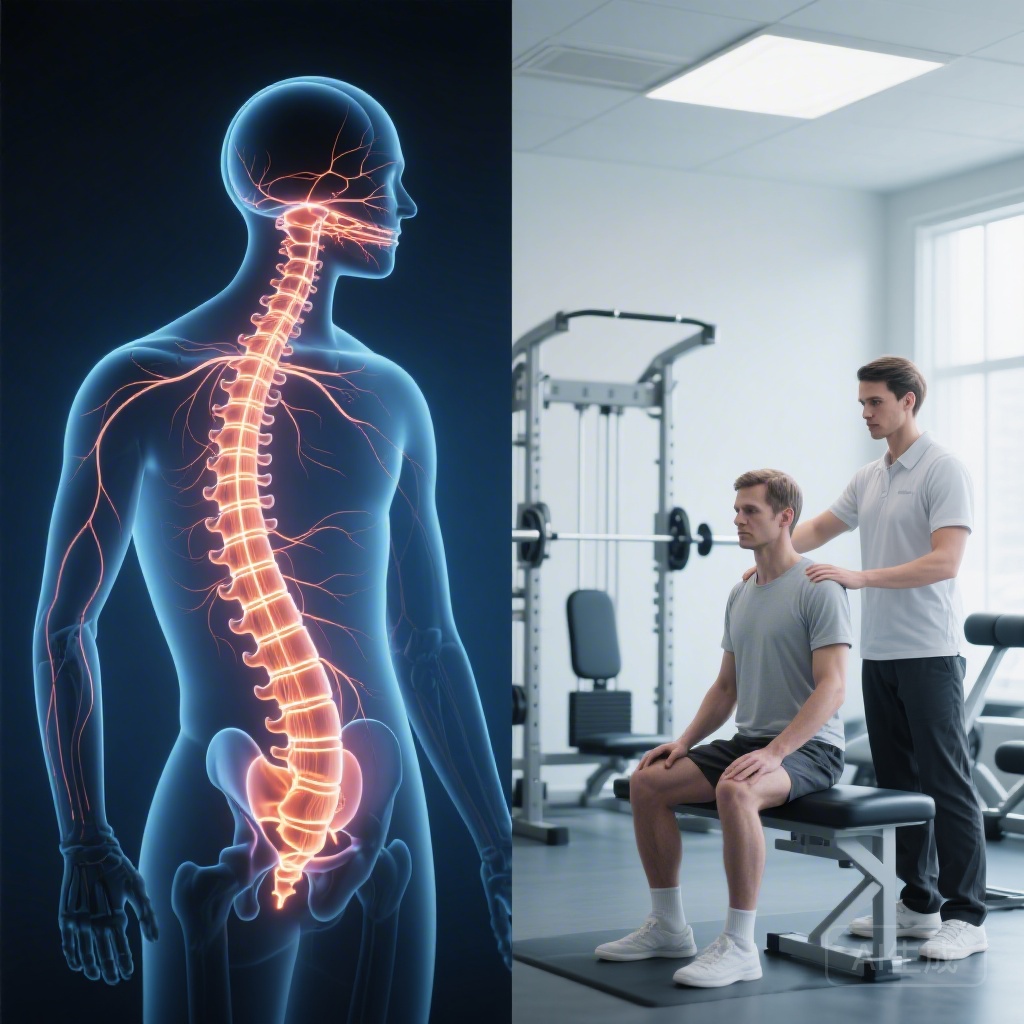
Neuromuscular Training Substantially Improves Athletes’ Balance: A Meta-Analysis with Practical Takeaways

Neuromuscular Training Substantially Improves Athletes’ Balance: A Meta-Analysis with Practical Takeaways

A 2025 meta-analysis of 13 trials found neuromuscular training produced large improvements in athletes' balance (overall SMD 1.47), with benefits for both static and dynamic domains. Results support incorporating targeted neuromuscular programs into conditioning, while highlighting heterogeneity and research gaps.
Unraveling Hamstring Injury Mechanisms and Eccentric Training Adaptations: Integrative Insights and Future Preventive Strategies

Unraveling Hamstring Injury Mechanisms and Eccentric Training Adaptations: Integrative Insights and Future Preventive Strategies

Hamstring injuries mainly occur during the late swing phase of running due to high eccentric forces and neural factors. Eccentric training reduces injury risk through complex muscle adaptations involving contractile, non-contractile, and neural components. Further research is essential to optimize prevention.
Higher Pre-Race Training Exposure but Reduced Training Frequency Associated with Faster Boston Marathon Times

Higher Pre-Race Training Exposure but Reduced Training Frequency Associated with Faster Boston Marathon Times

In 917 Boston Marathon registrants, higher habitual running volume and more quality sessions in the year preceding the race — paired with a relative reduction in training frequency in the last four months — were associated with faster race times after accounting for demographics and experience.
Optimizing Muscle Recovery: Evidence-Based Insights on Cold, Heat, Contrast, and Hypoxia Therapies for Post-Exercise Muscle Damage

Optimizing Muscle Recovery: Evidence-Based Insights on Cold, Heat, Contrast, and Hypoxia Therapies for Post-Exercise Muscle Damage

This review synthesizes evidence from randomized controlled trials on environmental stress-based therapies—cold, heat, contrast, and hypoxia—for enhancing muscle recovery after exercise-induced muscle damage, emphasizing the importance of application modalities for therapeutic efficacy.
Low Energy Availability Blunts Muscle and Functional Gains: What Clinicians and Coaches Need to Know

Low Energy Availability Blunts Muscle and Functional Gains: What Clinicians and Coaches Need to Know

A 2025 systematic review finds low energy availability (LEA) is associated with impaired neuromusculoskeletal training responses—reduced gains in lean mass and function and consistent deficits in strength, cellular markers and subjective recovery—highlighting the need to screen and restore energy before hypertrophy-focused rehabilitation.