Scaling Tobacco Cessation in HIV Care: National Quitlines as an Effective Alternative to Resource-Intensive Interventions

Scaling Tobacco Cessation in HIV Care: National Quitlines as an Effective Alternative to Resource-Intensive Interventions

A landmark pragmatic randomized controlled trial in Vietnam reveals that proactive Quitline referrals are as effective as nurse-led counseling and nicotine replacement therapy for smoking cessation among people living with HIV, offering a scalable model for low- and middle-income countries.
Digital Imagery-Competing Task Intervention Significantly Reduces Intrusive Memories in Trauma-Exposed Healthcare Staff: Evidence from the GAINS-02 Bayesian Trial

Digital Imagery-Competing Task Intervention Significantly Reduces Intrusive Memories in Trauma-Exposed Healthcare Staff: Evidence from the GAINS-02 Bayesian Trial

A Bayesian adaptive randomized clinical trial reveals that a digital imagery-competing task intervention (ICTI) significantly reduces the frequency of intrusive memories and PTSD symptoms among healthcare workers exposed to pandemic-related trauma, providing a scalable, evidence-based tool for occupational mental health.
Nurse-Led Education Program Effectively Reduces Treatment Delay in Patients with Diabetic High-Risk Foot: A Randomized Controlled Trial

Nurse-Led Education Program Effectively Reduces Treatment Delay in Patients with Diabetic High-Risk Foot: A Randomized Controlled Trial

This randomized controlled trial demonstrates that a structured nurse-led education intervention significantly improves foot care knowledge and self-efficacy while reducing both the intention and actual behavior of delaying treatment in patients with diabetic high-risk foot.
Offering Multiple Appropriate Alternatives Increases Primary Care Physicians’ Adoption of Recommended Care: A Randomized Trial

Offering Multiple Appropriate Alternatives Increases Primary Care Physicians’ Adoption of Recommended Care: A Randomized Trial

A randomized trial of 402 US primary care physicians found that presenting two or more appropriate treatment alternatives (vs one) increased clinicians’ likelihood of changing from a status quo plan to an evidence‑based alternative, especially for opioid prescribing; adding options beyond two provided no further benefit.
Nurse-Led Family Communication in the ICU: Modest Gains in Communication Quality and Shorter Hospital Stays — What Works and What We Still Don’t Know

Nurse-Led Family Communication in the ICU: Modest Gains in Communication Quality and Shorter Hospital Stays — What Works and What We Still Don’t Know

A 2025 systematic review of nurse-led ICU family communication interventions found modest improvement in communication quality (SMD 0.26) and reduced hospital LOS (~3.9 days), but limited effects on psychological distress, satisfaction, ICU LOS, or mortality. Heterogeneity in models and implementers limits firm recommendations.
Short Program, Long Gains: A 24‑Week Multicomponent Frailty Intervention Extended Disability‑Free Survival and Delivered Net Health-System Savings Over 66 Months

Short Program, Long Gains: A 24‑Week Multicomponent Frailty Intervention Extended Disability‑Free Survival and Delivered Net Health-System Savings Over 66 Months

A 24‑week, community-based multicomponent frailty intervention in rural Korea was associated with 6.5 additional months free from death or long‑term care eligibility and ~$7,700 per-person NHIS savings over 66 months, suggesting durable clinical and economic benefits.
Persistent Inspiratory Muscle Weakness After Prolonged Intubation: MIP at Day 12 Predicts Failure to Recover in the Acute-Care Stay

Persistent Inspiratory Muscle Weakness After Prolonged Intubation: MIP at Day 12 Predicts Failure to Recover in the Acute-Care Stay

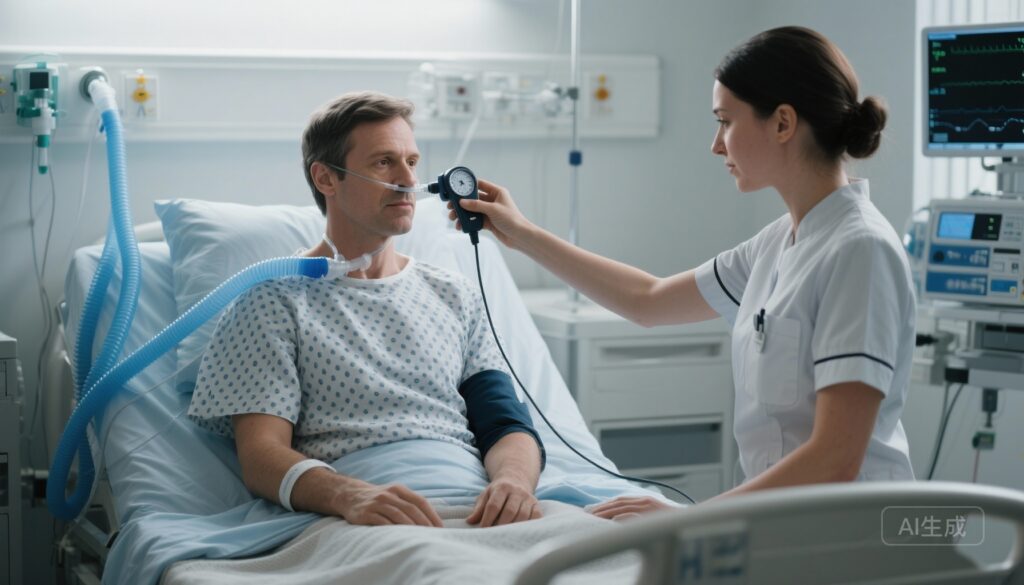
In patients extubated after ≥7 days of mechanical ventilation, 43% had persistent inspiratory muscle weakness at hospital discharge. Maximal inspiratory pressure (MIP) measured 12 days after diagnosis strongly predicted persistent weakness and may guide early rehabilitation and resource allocation.
Evaluating Combined Mind-Body Exercise, Cognitive Training, and Nurse-Led Risk Factor Modification in Mild Cognitive Impairment: Insights from a Three-Arm Randomized Controlled Trial

Evaluating Combined Mind-Body Exercise, Cognitive Training, and Nurse-Led Risk Factor Modification in Mild Cognitive Impairment: Insights from a Three-Arm Randomized Controlled Trial

A large RCT in primary care showed no significant cognitive benefits of a combined intervention integrating mind-body physical exercise, cognitive training, and nurse-led risk factor modification over nurse-led risk factor modification alone or general health advice in mild cognitive impairment. Future refinements and research are needed.