Nirsevimab in Chile’s First National RSV Campaign: 76% Reduction in RSV Hospitalisations and 85% Fewer ICU Admissions in Infants

Nirsevimab in Chile’s First National RSV Campaign: 76% Reduction in RSV Hospitalisations and 85% Fewer ICU Admissions in Infants

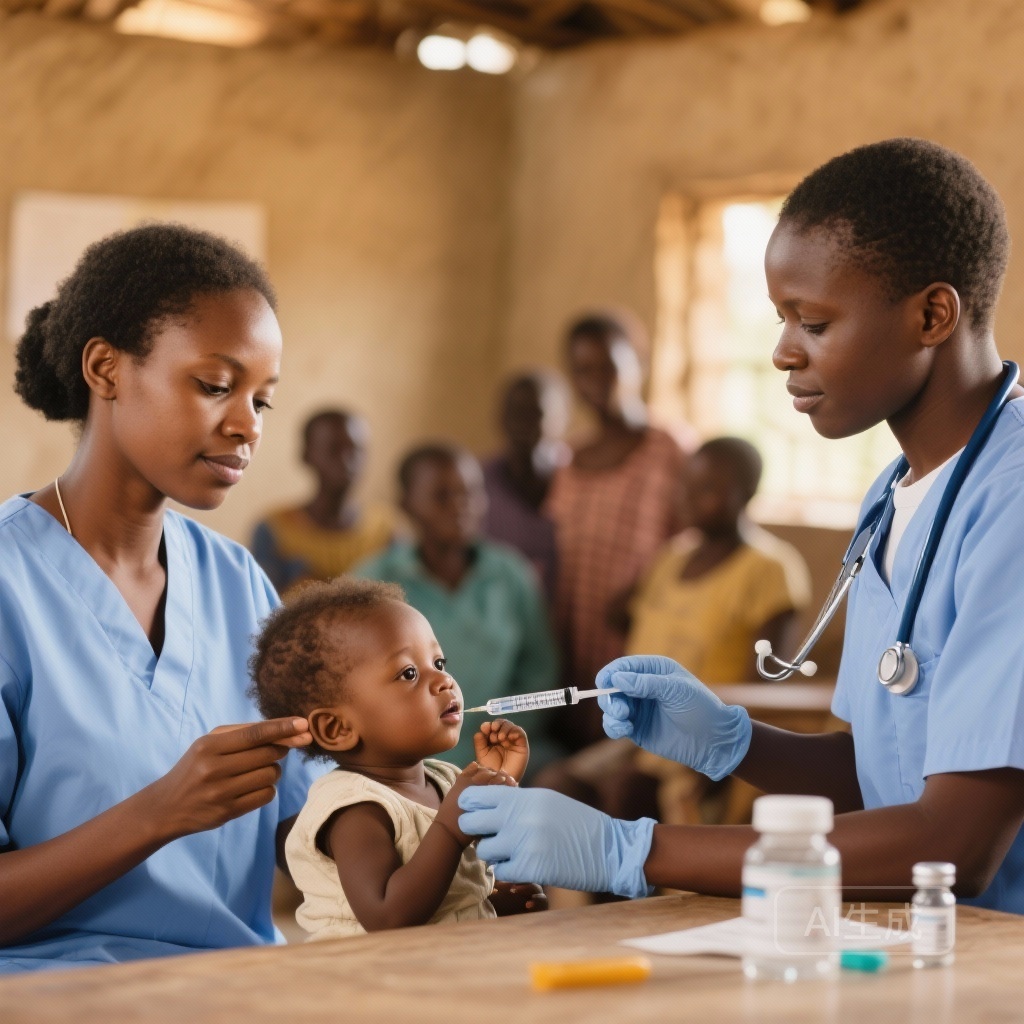
A nationwide retrospective study from Chile finds that a universal nirsevimab immunisation strategy in 2024 reduced RSV-related lower respiratory tract infection hospitalisations by 76% and ICU admissions by 85%, with an NNT of 35 to prevent one RSV LRTI admission.
Real-world data suggest nirsevimab reduces RSV test-positivity up to 12 months but not beyond — cautious interpretation required

Real-world data suggest nirsevimab reduces RSV test-positivity up to 12 months but not beyond — cautious interpretation required

A multicentre retrospective TriNetX analysis found reduced odds of RSV test-positivity for infants receiving nirsevimab when last dose was within 6–11 months before testing; protection was strongest within 6 months and not evident beyond 12 months. Methodological limits temper causal inference.
Peginterferon Add‑On to siRNA JNJ‑73763989 Yields Deep HBsAg Declines but Not Durable Off‑Therapy Cure in HBeAg‑Positive CHB: Phase 2 REEF‑IT Results

Peginterferon Add‑On to siRNA JNJ‑73763989 Yields Deep HBsAg Declines but Not Durable Off‑Therapy Cure in HBeAg‑Positive CHB: Phase 2 REEF‑IT Results

In the phase 2 REEF‑IT trial, pegylated interferon‑α2a added to siRNA JNJ‑73763989 produced large HBsAg reductions and transient seroclearance in some untreated HBeAg‑positive patients, but no participant reached the prespecified sustained off‑therapy HBsAg loss endpoint at 24 weeks.
Not All ‘Indeterminate’ HBV Is Equal: Specific Indeterminate Types Carry Markedly Higher Long‑Term HCC Risk

Not All ‘Indeterminate’ HBV Is Equal: Specific Indeterminate Types Carry Markedly Higher Long‑Term HCC Risk

A multinational cohort study of 1,986 patients with indeterminate chronic hepatitis B (CHB) shows large differences in long‑term hepatocellular carcinoma (HCC) risk by baseline indeterminate subtype and by phase transition, identifying subgroups that may benefit from earlier antiviral therapy and intensified surveillance.
Congenital CMV in Australia: Reported Cases Are a Small Fraction of Estimated Burden — Implications for Screening, Treatment, and Public Health

Congenital CMV in Australia: Reported Cases Are a Small Fraction of Estimated Burden — Implications for Screening, Treatment, and Public Health

National APSU surveillance (1999–2024) found 479 definite congenital CMV cases and dramatic under-ascertainment versus expected prevalence; symptomatic infants increasingly receive antivirals. Expanded surveillance, newborn screening, and clear treatment pathways are needed.
Evaluating Self-Collected Urine and Vaginal Samples for HPV Genotyping in Cervical Cancer Screening Among Japanese Women

Evaluating Self-Collected Urine and Vaginal Samples for HPV Genotyping in Cervical Cancer Screening Among Japanese Women

This study assesses the feasibility and performance of using self-collected urine and vaginal samples with the BD Onclarity® HPV assay for cervical cancer screening in Japanese women with abnormal cytology, highlighting concordance and sensitivity metrics compared to clinician-collected cervical samples.