Evaluating the Impact of Behavioral Economics on Food Processing Choices in Food Pantries Using the Nova Classification

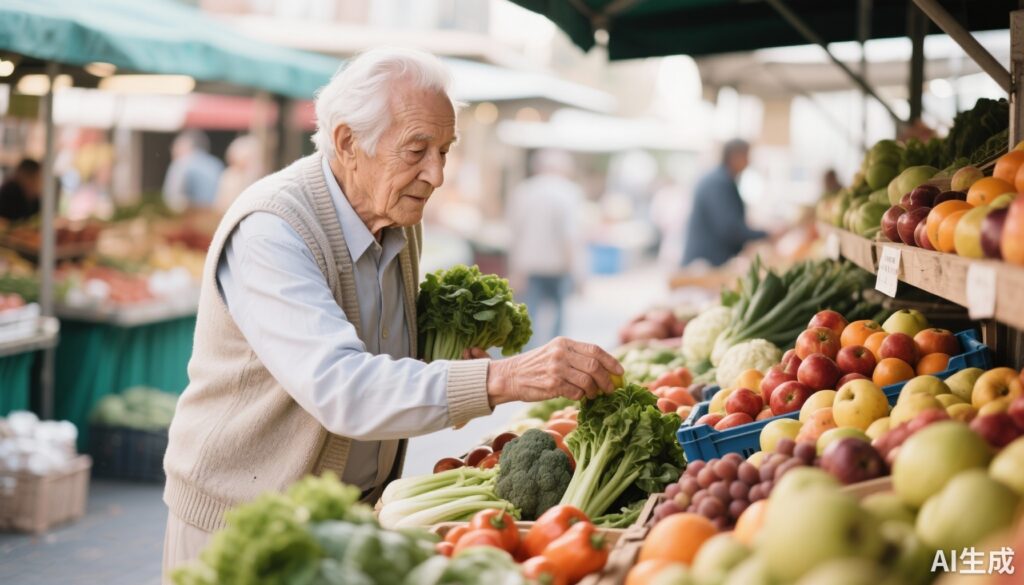
A behavioral economics intervention in Minnesota food pantries did not significantly reduce the selection of ultra-processed foods nor increase unprocessed food selection among clients, underscoring the need for targeted strategies to improve nutritional quality based on food processing levels.
Preserving Bone Quality in Older Adults with Obesity Through Lifestyle Intervention: Insights from the LIMB-Q Trial

Preserving Bone Quality in Older Adults with Obesity Through Lifestyle Intervention: Insights from the LIMB-Q Trial

The LIMB-Q trial demonstrates that intensive lifestyle interventions combining weight management and exercise preserve bone quality in older adults with obesity, despite significant weight loss, highlighting a promising approach for mitigating osteoporosis risk during aging.
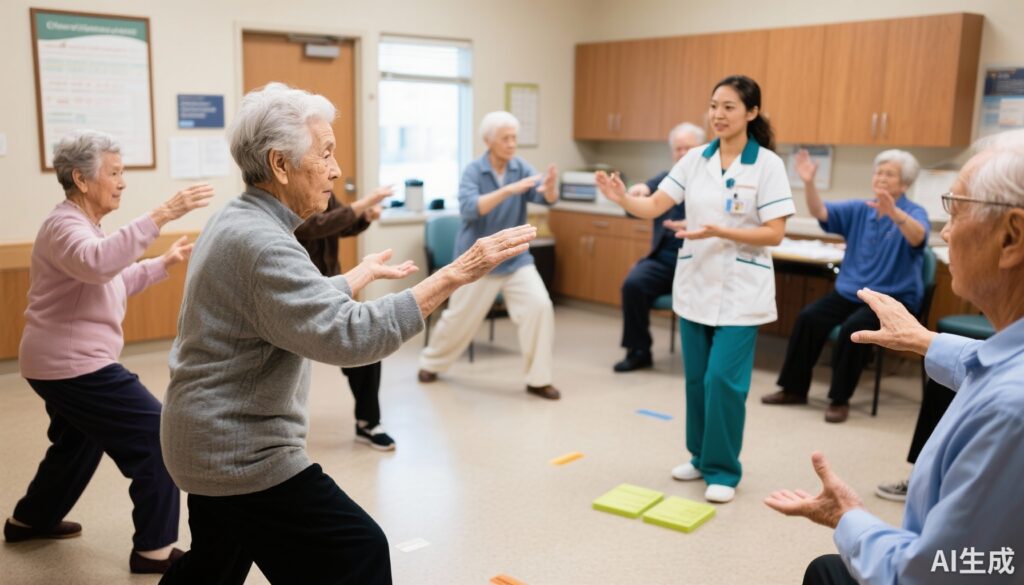
Integrating Fall Prevention in Primary Care Significantly Reduces Falls Among Rural Older Adults in China: Insights from the FAMILY Cluster RCT

Integrating Fall Prevention in Primary Care Significantly Reduces Falls Among Rural Older Adults in China: Insights from the FAMILY Cluster RCT

A 12-month cluster randomized trial in rural China demonstrated that a fall prevention program integrated into primary health care significantly decreased fall risk among older adults, highlighting a scalable strategy for resource-limited settings with aging populations.
Circulating Nanoparticles and Carotenoids as Biomarkers of Rehabilitation Recovery in Parkinson’s Disease

Circulating Nanoparticles and Carotenoids as Biomarkers of Rehabilitation Recovery in Parkinson’s Disease

Intensive treadmill rehabilitation in Parkinson's disease alters the biochemical composition of circulating extracellular vesicle-like particles, particularly increasing carotenoid content, which correlates with improved gait parameters, highlighting a potential biomarker for monitoring rehabilitation efficacy.
Evaluating the Impact of Vitamin D3, Omega-3 Fatty Acids, and Home Exercise on Vertebral Fracture Prevention in Older Adults: Insights from the DO-HEALTH Trial

Evaluating the Impact of Vitamin D3, Omega-3 Fatty Acids, and Home Exercise on Vertebral Fracture Prevention in Older Adults: Insights from the DO-HEALTH Trial

The DO-HEALTH trial found that vitamin D3 and omega-3 supplementation did not reduce vertebral fracture rates in healthy seniors, while a simple home exercise program lowered fracture incidence in women and slowed fracture progression overall, highlighting exercise’s potential role in vertebral fracture prevention.