Repurposing Hydroxychloroquine for Chronic Inflammatory Cardiomyopathy: Evidence from the HYPIC Multicenter Randomized Trial

Repurposing Hydroxychloroquine for Chronic Inflammatory Cardiomyopathy: Evidence from the HYPIC Multicenter Randomized Trial

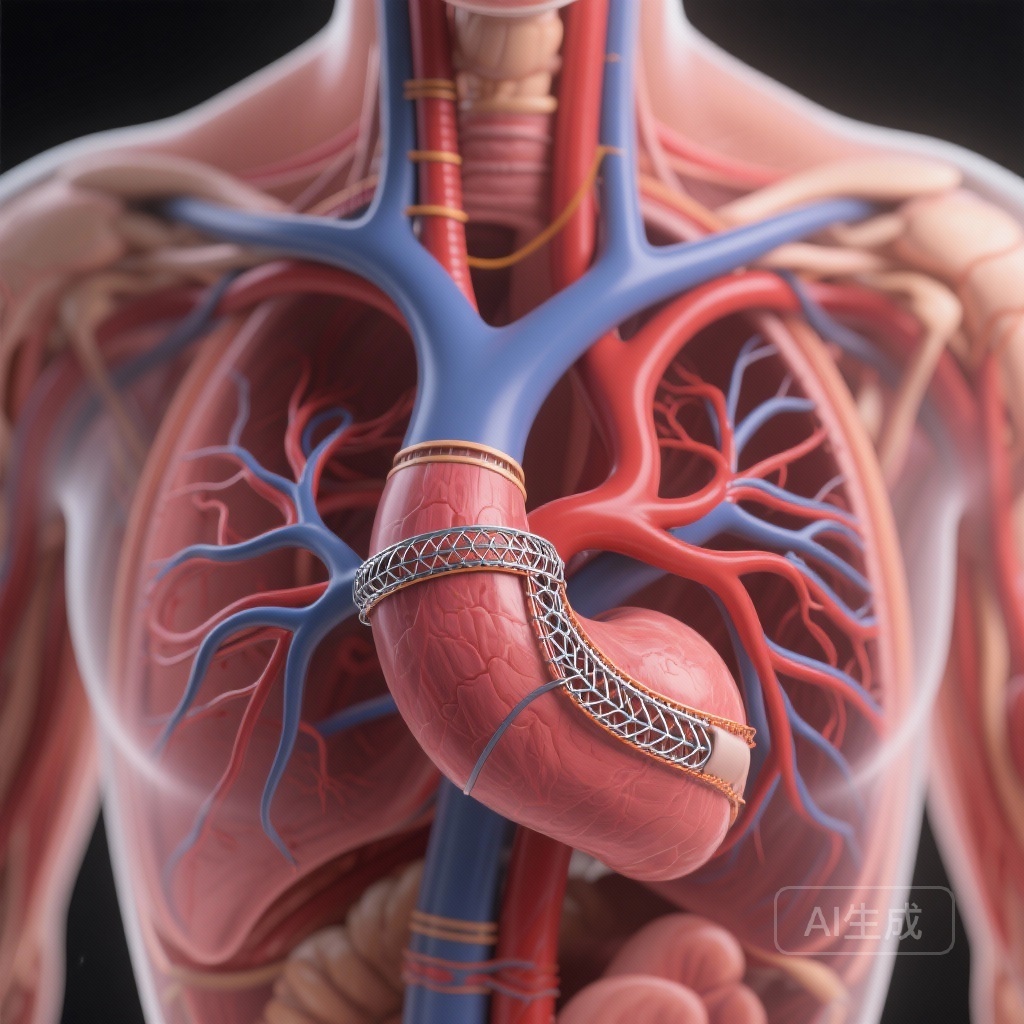
The HYPIC trial demonstrates that hydroxychloroquine combined with prednisolone significantly improves cardiovascular outcomes, cardiac function, and cytokine profiles in patients with chronic inflammatory cardiomyopathy following fulminant myocarditis, establishing a novel evidence-based therapeutic strategy.
Intensive Lifestyle Intervention Reduces HFpEF Risk in High-Risk Diabetes: The Prescriptive Power of NT-proBNP

Intensive Lifestyle Intervention Reduces HFpEF Risk in High-Risk Diabetes: The Prescriptive Power of NT-proBNP

A post-hoc analysis of the Look AHEAD trial demonstrates that NT-proBNP levels can identify patients with type 2 diabetes who benefit most from intensive lifestyle interventions. ILI significantly reduced HFpEF risk in those with elevated or stable/decreasing NT-proBNP, supporting a biomarker-guided approach to prevention.
Comparative Efficacy, Safety, and Complications of Subcutaneous Versus Transvenous Implantable Cardioverter-Defibrillators: Insights from the PRAETORIAN and ATLAS Trials and Meta-Analyses

Comparative Efficacy, Safety, and Complications of Subcutaneous Versus Transvenous Implantable Cardioverter-Defibrillators: Insights from the PRAETORIAN and ATLAS Trials and Meta-Analyses

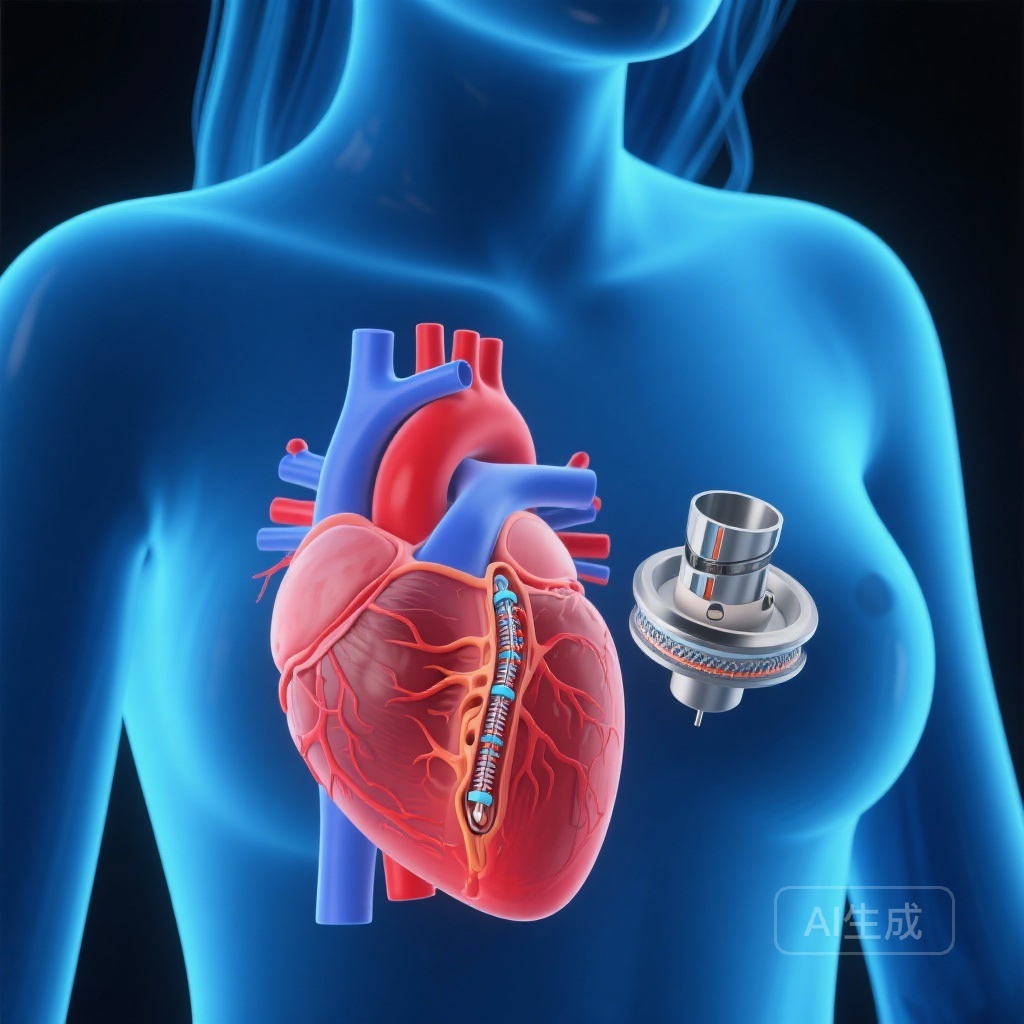
This review synthesizes randomized trial data comparing subcutaneous and transvenous ICDs, highlighting differences in inappropriate shocks, device-related complications, and shock efficacy, underscoring clinical considerations for ICD selection.
High BMI, High Benefit: How PCSK9 Inhibition Optimizes Outcomes in Obese Patients with ASCVD

High BMI, High Benefit: How PCSK9 Inhibition Optimizes Outcomes in Obese Patients with ASCVD

A prespecified analysis of the FOURIER trial reveals that patients with obesity and atherosclerotic cardiovascular disease experience significantly higher absolute and relative risk reductions with evolocumab, particularly those with a BMI above 35 kg/m2, emphasizing a targeted therapeutic advantage for this high-risk population.