Cryoballoon Ablation Is Non‑Inferior to Radiofrequency for 1‑Year Arrhythmia Control in Persistent AF — but Left Atrium Shrinks Less: Insights from the CRRF‑PeAF Trial

Cryoballoon Ablation Is Non‑Inferior to Radiofrequency for 1‑Year Arrhythmia Control in Persistent AF — but Left Atrium Shrinks Less: Insights from the CRRF‑PeAF Trial

The randomized CRRF‑PeAF trial (n=499) found cryoballoon pulmonary vein isolation non‑inferior to radiofrequency ablation for 1‑year atrial tachyarrhythmia recurrence in persistent atrial fibrillation, but radiofrequency produced greater left atrial reverse remodelling.
Routine Coronary Function Testing in ANOCA Improves Symptoms: Key Results from the ILIAS ANOCA Trial

Routine Coronary Function Testing in ANOCA Improves Symptoms: Key Results from the ILIAS ANOCA Trial

The ILIAS ANOCA randomized trial shows that routine invasive coronary function testing (CFT) during angiography in patients with angina and non‑obstructive coronary arteries (ANOCA) is feasible, safe, yields a high diagnostic rate of vasomotor disorders (78%), and—when disclosed with a tailored treatment protocol—produces a clinically meaningful improvement in angina-related quality of life at 6 months.
Aspirin in the Healthy Elderly: ASPREE’s Clear Message — No Benefit, Higher Bleeding, and Unexpected Cancer Signal

Aspirin in the Healthy Elderly: ASPREE’s Clear Message — No Benefit, Higher Bleeding, and Unexpected Cancer Signal

ASPREE randomized ~19,000 older adults to low‑dose aspirin or placebo. Over ~4.7 years, aspirin did not improve disability‑free survival or reduce cardiovascular events, increased major bleeding, and showed a surprising rise in cancer‑related death; extended follow‑up confirmed no long‑term MACE benefit.
Safety and Efficacy of the Trilogy Transcatheter Aortic Valve for High-Risk Native Aortic Regurgitation: Insights from the ALIGN-AR Studies

Safety and Efficacy of the Trilogy Transcatheter Aortic Valve for High-Risk Native Aortic Regurgitation: Insights from the ALIGN-AR Studies

The ALIGN-AR studies demonstrate that transcatheter aortic valve implantation using the Trilogy valve is a safe and effective treatment for symptomatic native moderate-to-severe or severe aortic regurgitation in patients at high surgical risk, showing favorable valve function and clinical outcomes up to two years.
Guideline‑Level Moderate–Vigorous Physical Activity Appears Safe and Beneficial for Phenotype‑Negative Car cardiomyopathy Variant Carriers

Guideline‑Level Moderate–Vigorous Physical Activity Appears Safe and Beneficial for Phenotype‑Negative Car cardiomyopathy Variant Carriers

In a large UK Biobank cohort, accelerometer-measured moderate‑to‑vigorous physical activity (100–400 min/week) was associated with lower cardiovascular risk and no excess arrhythmic or cardiomyopathy onset among genotype‑positive phenotype‑negative (G+P-) cardiomyopathy variant carriers.
Continuing Anticoagulation After Unprovoked VTE Lowers Recurrence but Raises Bleeding — Real‑World Target Trial Emulation Shows Net Clinical Benefit

Continuing Anticoagulation After Unprovoked VTE Lowers Recurrence but Raises Bleeding — Real‑World Target Trial Emulation Shows Net Clinical Benefit

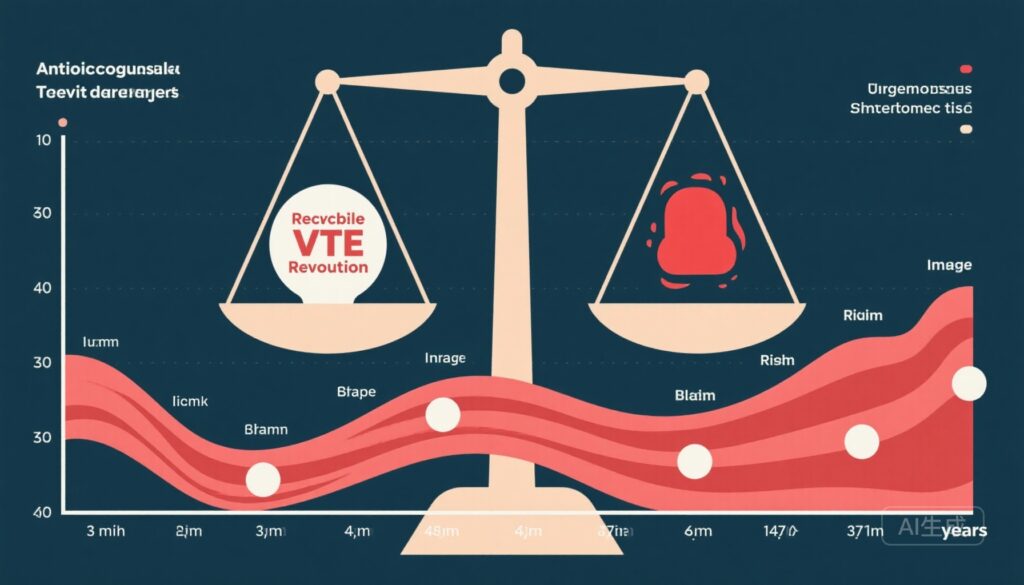
A large target‑trial emulation of US claims data found continued oral anticoagulation after ≥90 days for unprovoked VTE markedly reduced recurrent VTE and mortality, increased major bleeding, but produced an overall net clinical benefit that persisted through several years of follow‑up.
Vernakalant Beats Procainamide for Rapid ED Cardioversion of Recent-Onset Atrial Fibrillation: Results from RAFF4

Vernakalant Beats Procainamide for Rapid ED Cardioversion of Recent-Onset Atrial Fibrillation: Results from RAFF4

The RAFF4 randomized trial found intravenous vernakalant superior to procainamide for rapid cardioversion of acute atrial fibrillation in the emergency department — higher conversion within 30 minutes, faster time to sinus rhythm, and fewer electrical cardioversions, with similar short-term safety.