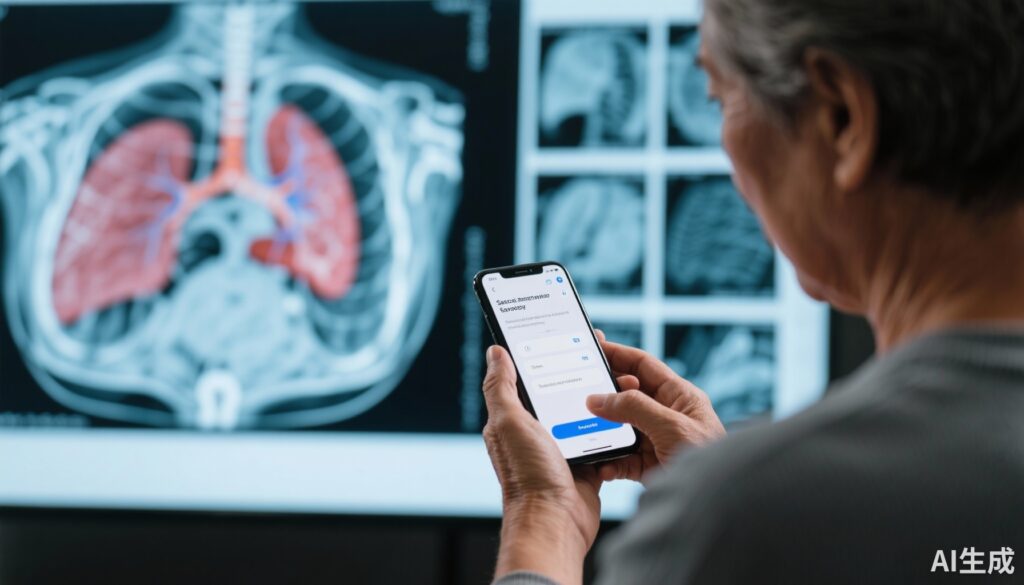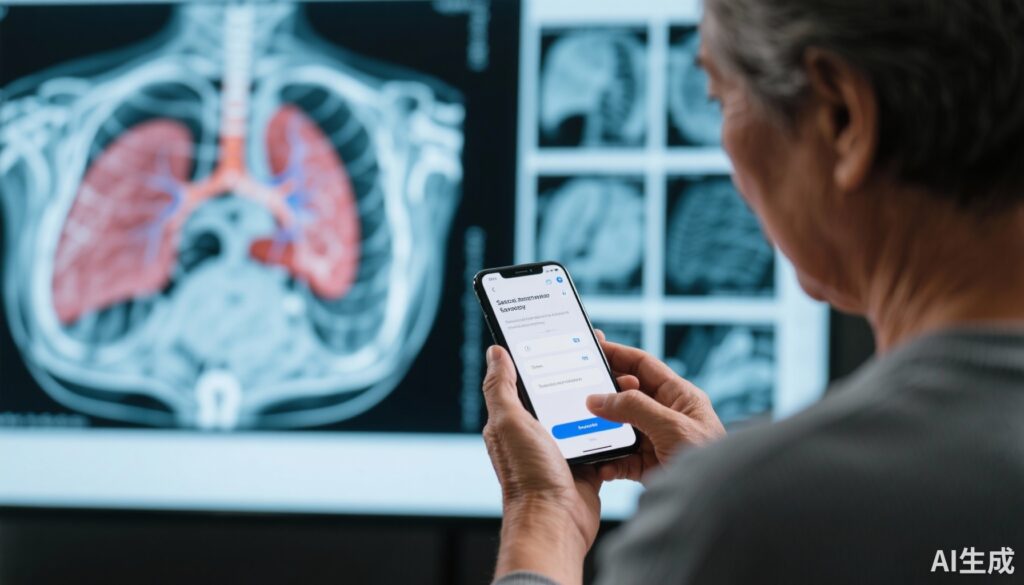
Evaluating AI-Led vs Human-Led Lifestyle Interventions in Prediabetes: Evidence from a Randomized Clinical Trial of the Diabetes Prevention Program

Evaluating AI-Led vs Human-Led Lifestyle Interventions in Prediabetes: Evidence from a Randomized Clinical Trial of the Diabetes Prevention Program

This review examines the first phase 3 randomized trial demonstrating that an AI-powered Diabetes Prevention Program lifestyle intervention is noninferior to human coaching in improving weight loss, HbA1c, and physical activity among adults with prediabetes and overweight or obesity.
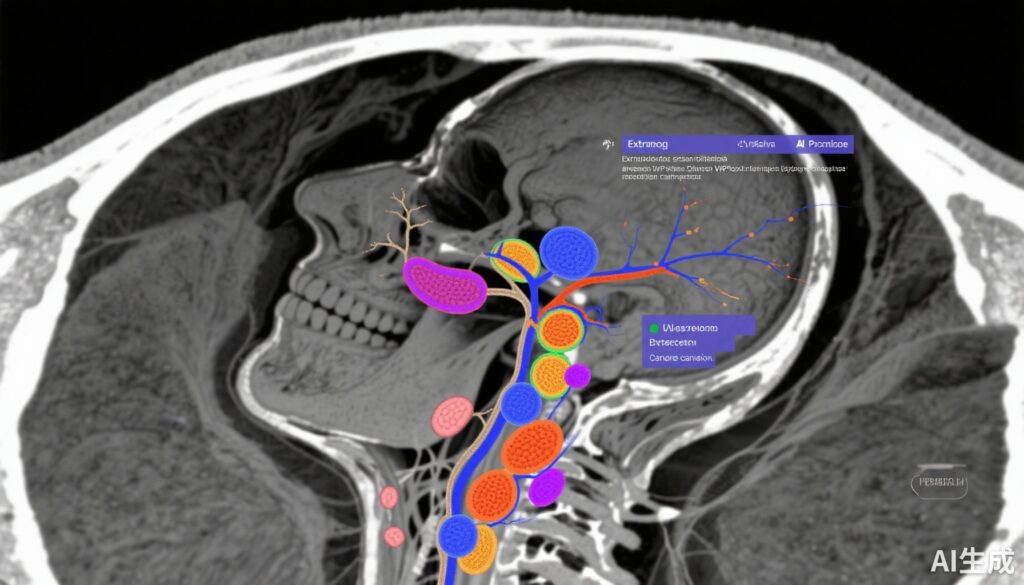
Artificial Intelligence in Imaging-Based Extranodal Extension Detection: Advancing Prognostication in HPV-Positive Oropharyngeal Cancer

Artificial Intelligence in Imaging-Based Extranodal Extension Detection: Advancing Prognostication in HPV-Positive Oropharyngeal Cancer

An AI-driven model accurately detects imaging-based extranodal extension in HPV-positive oropharyngeal cancer from CT scans, improving outcome prediction beyond expert radiologist assessments and identifying patients at higher risk of poorer survival and recurrence.
Medicare Advantage and Cancer Surgery Outcomes: Are Patients Being Routed Away from High-Quality Hospitals?

Medicare Advantage and Cancer Surgery Outcomes: Are Patients Being Routed Away from High-Quality Hospitals?

This retrospective national cohort study reveals that Medicare Advantage (MA) enrollees undergoing major cancer surgery are less likely to receive care at high-quality hospitals compared to traditional Medicare beneficiaries, raising concerns about MA networks' impact on access to optimal surgical care.
Artificial Intelligence-Detected Tumor-Infiltrating Lymphocytes as a Biomarker in Anti-PD-1-Based Therapy for Advanced Melanoma: Clinical Evidence and Translational Perspectives

Artificial Intelligence-Detected Tumor-Infiltrating Lymphocytes as a Biomarker in Anti-PD-1-Based Therapy for Advanced Melanoma: Clinical Evidence and Translational Perspectives

AI-detected tumor-infiltrating lymphocytes on routine histology independently predict response and survival in advanced melanoma treated with anti-PD-1 therapies, outperforming manual scoring and offering an accessible biomarker for immune checkpoint inhibitor outcomes.