Introduction: The Evolving Landscape of COVID-19 Therapeutics
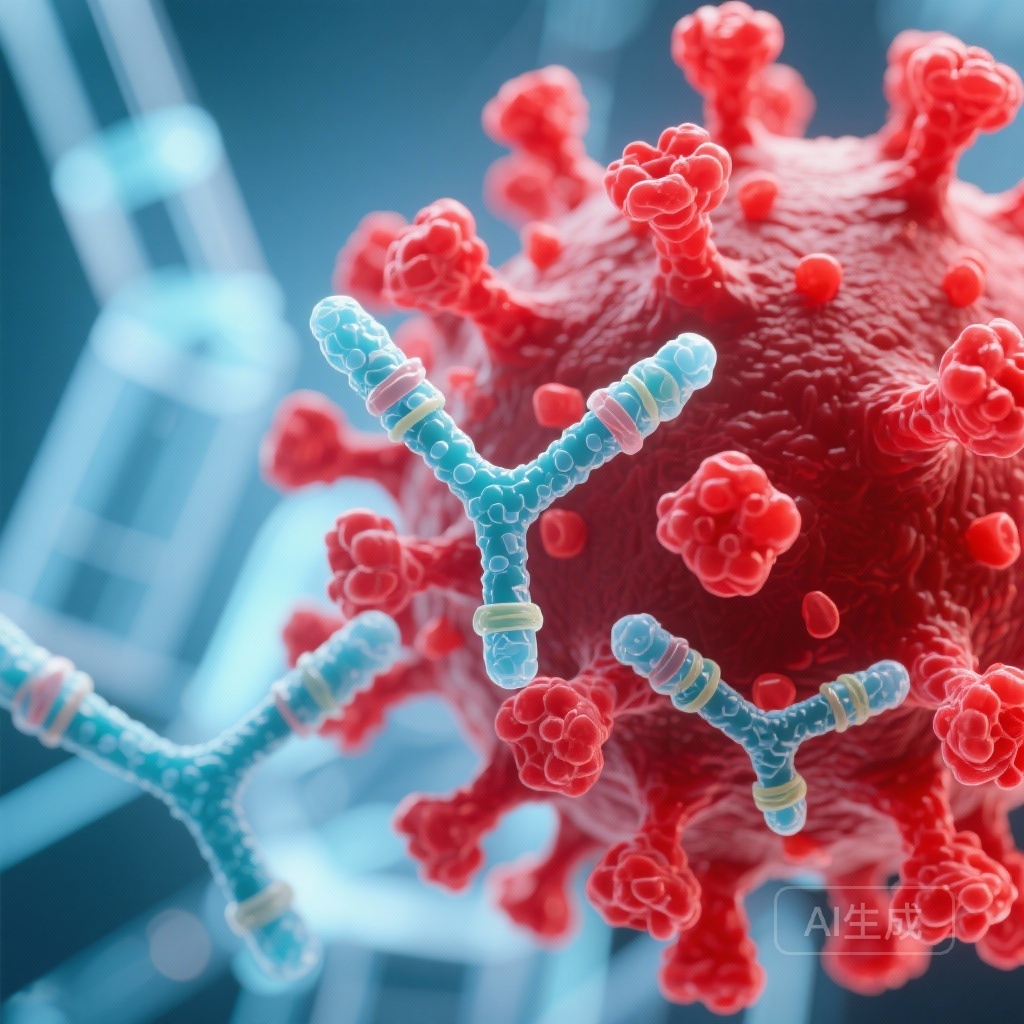
Since the onset of the COVID-19 pandemic, the therapeutic arsenal has shifted from broad-spectrum anti-inflammatories to targeted antiviral interventions. Among these, neutralizing monoclonal antibodies (mAbs) were initially heralded as a breakthrough for preventing progression in outpatients. However, their role in hospitalized patients—who often present later in the disease course with significant inflammatory damage—has remained a subject of intense clinical debate. Sotrovimab, a neutralizing monoclonal antibody designed to target a highly conserved epitope on the SARS-CoV-2 spike protein, was hypothesized to retain efficacy even as the virus mutated. The RECOVERY trial, the world’s largest platform trial for COVID-19 treatments, recently provided critical evidence on whether this therapy can improve survival in the most severely ill patients.
Highlights of the RECOVERY Sotrovimab Analysis
The findings from this large-scale randomized trial offer several key takeaways for the clinical community:
- Sotrovimab significantly reduced 28-day mortality by 25% in patients with high baseline serum SARS-CoV-2 antigen levels.
- No significant mortality benefit was observed in the overall study population, emphasizing the need for precision medicine approaches in COVID-19 treatment.
- The trial was conducted during the dominance of Omicron variants, with over 80% of participants already vaccinated, reflecting contemporary clinical challenges.
- Safety data confirmed that sotrovimab is well-tolerated, with a low incidence of infusion-related reactions and no significant increase in adverse events.
Study Design and Methodology
The RECOVERY (Randomised Evaluation of COVID-19 Therapy) trial utilized its established investigator-initiated, open-label, adaptive platform design to evaluate sotrovimab. Between January 4, 2022, and March 19, 2024, patients hospitalized with COVID-19 pneumonia across 107 UK hospitals were eligible for enrollment.
Patient Population and Randomization
A total of 1723 patients were randomized in a 1:1 ratio to receive either usual care plus a single 1 g intravenous infusion of sotrovimab (n=828) or usual care alone (n=895). The median age of participants was 70.7 years, and 60% were male. Notably, 81% of the cohort had received at least one dose of a COVID-19 vaccine, and 82% of those with known serostatus were seropositive for anti-spike antibodies at the time of randomization. This represents a highly immune-experienced population compared to earlier pandemic waves.
Primary and Secondary Endpoints
The primary efficacy population was pre-specified as patients with a high baseline serum SARS-CoV-2 nucleocapsid antigen level (defined as above the median concentration). The primary outcome was 28-day all-cause mortality, assessed via an intention-to-treat analysis. Secondary outcomes included time to discharge from hospital and, among patients not on invasive mechanical ventilation at baseline, the composite of invasive mechanical ventilation or death.
Key Findings: Mortality and Biomarker Response
The results of the RECOVERY trial underscore the importance of viral load and antigenemia in determining the success of monoclonal antibody therapy.
Efficacy in High-Antigen Patients
In the primary efficacy population (n=720 patients with high antigen levels), 23% of those assigned to sotrovimab died within 28 days, compared to 29% in the usual care group. This resulted in a rate ratio (RR) of 0.75 (95% CI 0.56–0.99; p=0.046). This statistically significant reduction suggests that in patients with high viral replication or delayed viral clearance, neutralizing antibodies can still alter the disease trajectory even after hospitalization.
Overall Population and Low-Antigen Subgroup
In contrast, when analyzing the entire study population regardless of antigen status, the mortality rate was 21% in the sotrovimab group versus 22% in the usual care group (RR 0.95; 95% CI 0.77–1.16; p=0.60). For patients with low baseline antigen levels, the therapy provided no detectable benefit, likely because these individuals had already initiated an effective endogenous immune response, rendering exogenous antibodies redundant.
Safety and Tolerability
Sotrovimab demonstrated a favorable safety profile. Infusion reactions were rare, occurring in only 2% of the treated group. There were no significant differences in the incidence of cardiac arrhythmias, secondary infections, or other serious adverse events between the two arms. This reinforces the drug’s suitability for use in a diverse, older hospitalized population with multiple comorbidities.
Expert Commentary and Clinical Context
The RECOVERY results for sotrovimab arrive at a complicated time in the pandemic. While the data demonstrate a clear biological effect, the practical application is tempered by the rapid evolution of SARS-CoV-2.
The Challenge of Viral Resistance
As the trial progressed through different Omicron sublineages, the neutralizing potency of sotrovimab began to wane against emerging variants. Experts note that while the “proof of principle” is established—that mAbs can save lives in hospitalized patients with high antigen levels—the specific agent used must remain potent against the circulating strain. This suggests that future treatment protocols might require rapid antigen testing or viral sequencing to identify the patients most likely to benefit.
Mechanistic Insights
The success in the high-antigen group provides mechanistic evidence that persistent viral replication contributes to mortality in hospitalized COVID-19 patients. Even in the presence of prior vaccination, a subset of patients fails to control the virus effectively. For these individuals, providing a high dose of potent neutralizing antibodies can bridge the gap in their immune defense.
Conclusion: Moving Toward Precision Immunotherapy
The RECOVERY trial’s evaluation of sotrovimab provides a nuanced conclusion: monoclonal antibodies are not a “one-size-fits-all” solution for hospitalized COVID-19, but they are a life-saving tool for a specific, high-risk phenotype. The study confirms that targeted neutralising antibody therapy can reduce mortality even in an era of widespread vaccination and Omicron infection, provided the patient has a high viral burden.
Future efforts should focus on developing next-generation antibodies that can withstand viral evolution and implementing rapid bedside antigen testing to guide therapy. As it stands, sotrovimab’s current utility is limited by variant resistance, but the trial provides a vital roadmap for using similar immunotherapies in future viral respiratory pandemics.
Funding and Trial Registration
The study was funded by UK Research and Innovation (Medical Research Council) and the National Institute for Health and Care Research (NIHR). The trial is registered with ISRCTN (50189673) and ClinicalTrials.gov (NCT04381936).
References
1. RECOVERY Collaborative Group. Sotrovimab versus usual care in patients admitted to hospital with COVID-19 (RECOVERY): a randomised, controlled, open-label, platform trial. Lancet Infect Dis. 2026 Jan;26(1):34-45. doi: 10.1016/S1473-3099(25)00361-5. Epub 2025 Aug 28. PMID: 40886716.
2. Horby P, et al. Dexamethasone in Hospitalized Patients with Covid-19. N Engl J Med. 2021;384(8):693-704.
3. Gupta A, et al. Early Treatment for Covid-19 with Sotrovimab in Common Practice. N Engl J Med. 2021;385(21):1941-1950.