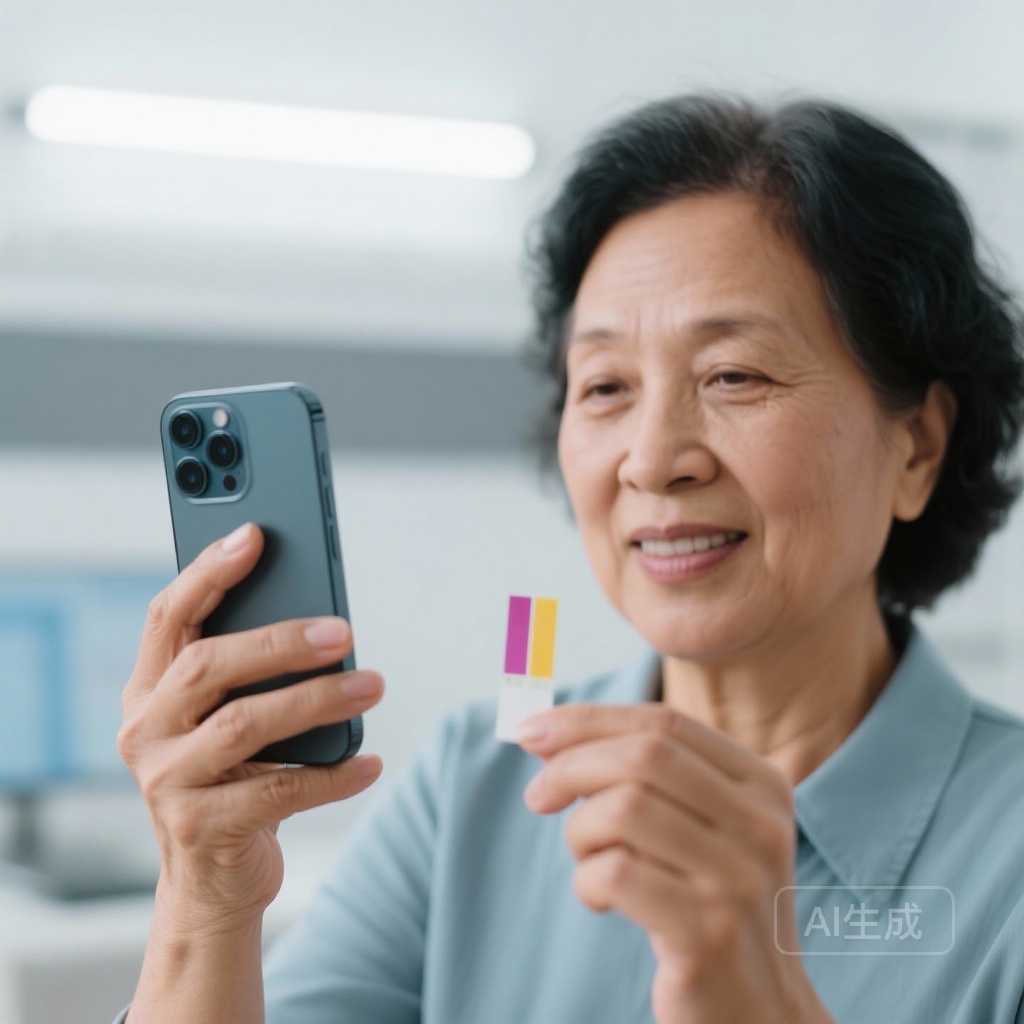
The Silent Loss of the Forgotten Sense
For many, the sense of smell is the most neglected of the five primary senses—until it begins to fade. Unlike vision or hearing loss, which typically prompt immediate medical consultation, olfactory dysfunction (OD) often slips under the radar. Yet, the ability to smell is far more than a luxury for enjoying fine wine or blooming flowers; it is a critical biological warning system and a significant indicator of overall neurological health.
Recent medical literature has highlighted a sobering reality: olfactory dysfunction is remarkably common and underdiagnosed, yet it is associated with increased morbidity and even higher mortality rates in older adults. Despite its importance, the clinical world has struggled to implement routine smell testing. Traditional methods are often cumbersome, expensive, and time-consuming, making them impractical for the fast-paced environment of a primary care clinic. However, a groundbreaking study recently published in JAMA Otolaryngol Head Neck Surg suggests that the solution may be as close as our smartphones.
Case Vignette: When the Coffee Loses Its Kick
Consider James, a 67-year-old retired engineer living in Chicago. For years, James took pride in his morning ritual of grinding fresh coffee beans. Over several months, he noticed the ritual felt less satisfying. He assumed the beans were stale or that his taste buds were simply aging. It wasn’t until his daughter visited and noticed a faint smell of natural gas in his kitchen—a leak James couldn’t detect at all—that he realized something was wrong.
When James went to his doctor, the evaluation was focused on his heart and lungs. His sense of smell was never tested because the clinic lacked the specific kits and the ten minutes required to administer a standard olfactory exam. James’s story is typical. Most patients with smell loss don’t realize they have a medical condition until a safety incident occurs, and most physicians lack the tools to screen for it efficiently.
The Innovation: A Five-Item Digital Screen
To bridge this gap, researchers at a tertiary academic medical center in the United States conducted a diagnostic study to evaluate a novel, self-administered mobile application-based olfactory screening tool. The goal was simple: create a test that is rapid, reliable, and scalable.
Between June and December 2024, the study recruited 484 participants. The demographic was diverse, with a mean age of 53.4 years, and notably, one-third of the participants were 65 or older—the demographic most at risk for age-related smell decline and associated conditions like Alzheimer’s and Parkinson’s disease.
The intervention involved a 5-item smell identification test facilitated through a mobile app. Participants were asked to identify specific scents, and their results were compared against established, validated smell tests. This digital approach removes the need for specialized laboratory equipment and allows for immediate data entry and scoring, potentially integrating directly into electronic health records.
Scientific Evidence: What the Data Tell Us
The results of the study provide compelling evidence for the efficacy of this digital tool. Out of the 484 participants, 15.3% reported subjective olfactory dysfunction. Interestingly, the app was able to distinguish between those with normal smell (normosmia) and those with dysfunction with high precision.
Participants who reported having OD had significantly lower scores on the novel test compared to those with normosmia (an average of 2.54 vs. 3.50). In the world of diagnostic statistics, the ‘Area Under the Curve’ (AUC) is a primary measure of a test’s accuracy. A score of 0.5 suggests a test is no better than a coin flip, while 1.0 represents a perfect test. This novel app-based test achieved an AUC of 0.87, which is considered excellent for a screening tool.
Furthermore, at a cut-off point of less than 3 correct answers, the test showed:
1. Sensitivity: 74% (The ability to correctly identify those with the condition).
2. Specificity: 86% (The ability to correctly identify those without the condition).
The test scores also correlated strongly (r = 0.74) with more expensive, traditional comparator tests. This suggests that while the test is shorter and cheaper, it does not sacrifice the scientific integrity required for clinical decision-making.
The Demographics of Scent
The study also shed light on how demographics influence our olfactory abilities. Consistent with previous research, age was a significant factor. As participants aged, their scores on the novel test declined, highlighting the need for age-adjusted norms in olfactory screening.
Gender also played a role, particularly in younger cohorts. Women aged 18 to 29 years outperformed men in the same age group. This biological trend has been observed in various sensory studies, but seeing it reflected so clearly in a 5-item app-based test reinforces the tool’s sensitivity to subtle physiological differences.
Overcoming Barriers to Clinical Adoption
Why hasn’t smell testing been standard practice until now? There are three primary hurdles: cost, time, and logistics. Standard tests, such as the University of Pennsylvania Smell Identification Test (UPSIT) or ‘Sniffin’ Sticks,’ can be expensive per use and take 10 to 20 minutes to complete. In a busy clinic, those 20 minutes are often prioritized for blood pressure, glucose, or cardiac history.
By condensing the process into five items on a mobile platform, the researchers have addressed these hurdles. An app-based test can be started in the waiting room by the patient themselves. The data is processed instantly, and the results can be flagged for the physician before they even enter the exam room. This ‘democratization’ of specialized testing is a hallmark of modern digital medicine.
The Broader Implications for Public Health
While the immediate benefit is identifying people who can’t smell their morning coffee or a gas leak, the long-term implications are much broader. Olfactory dysfunction is one of the earliest known clinical markers for neurodegenerative diseases. In some cases, a decline in smell can precede the cognitive symptoms of Alzheimer’s or the motor symptoms of Parkinson’s by several years.
If a rapid app-based test can be used for longitudinal screening—meaning patients are tested once a year during their annual physical—doctors could track the trajectory of a patient’s sensory health. A sudden or steady decline in smell scores could serve as a ‘canary in the coal mine,’ prompting earlier neurological interventions or lifestyle changes that could improve long-term outcomes.
Practical Guidance for Patients and Providers
For the general public, it is important to recognize that a change in the ability to smell is rarely ‘just aging.’ It is a clinical symptom that warrants discussion with a healthcare provider. While the app evaluated in this study is a clinical tool, the movement toward self-administered health checks is growing.
For clinicians, the study suggests that we are entering an era where sensory screening no longer needs to be a logistical burden. Integrating quick, 5-item digital assessments can significantly improve the detection rate of OD, leading to better patient safety and more comprehensive neurological monitoring.
Conclusion
The findings of this diagnostic study suggest that the novel app-based test is a rapid, reliable, and highly accessible tool. By correlating well with validated, more intensive smell tests, it offers a pathway for widespread olfactory screening in various clinical settings. As digital health continues to evolve, tools like this ensure that the ‘forgotten sense’ finally gets the medical attention it deserves.
References
Bernard BJ, Baker O, Pauley A, He CJ, Vo V, Toomre D, Rossman JS, Yan CH. A Novel Application-Based Test for Rapid Screening of Olfactory Dysfunction. JAMA Otolaryngol Head Neck Surg. 2026 Jan 8:e254965. doi: 10.1001/jamaoto.2025.4965.