Highlights
- Online self-help programs with individualized or automated support significantly reduce psychological distress in caregivers compared to treatment as usual.
- Individualized support from trained psychologists yielded a higher reduction in distress (p=0.0001) than fully automated messaging (p=0.0205).
- The study highlights the potential for digital therapeutics to be integrated into standard care to address the “invisible” burden of caregivers.
The Invisible Patient: Addressing the Global Burden of Caregiver Distress
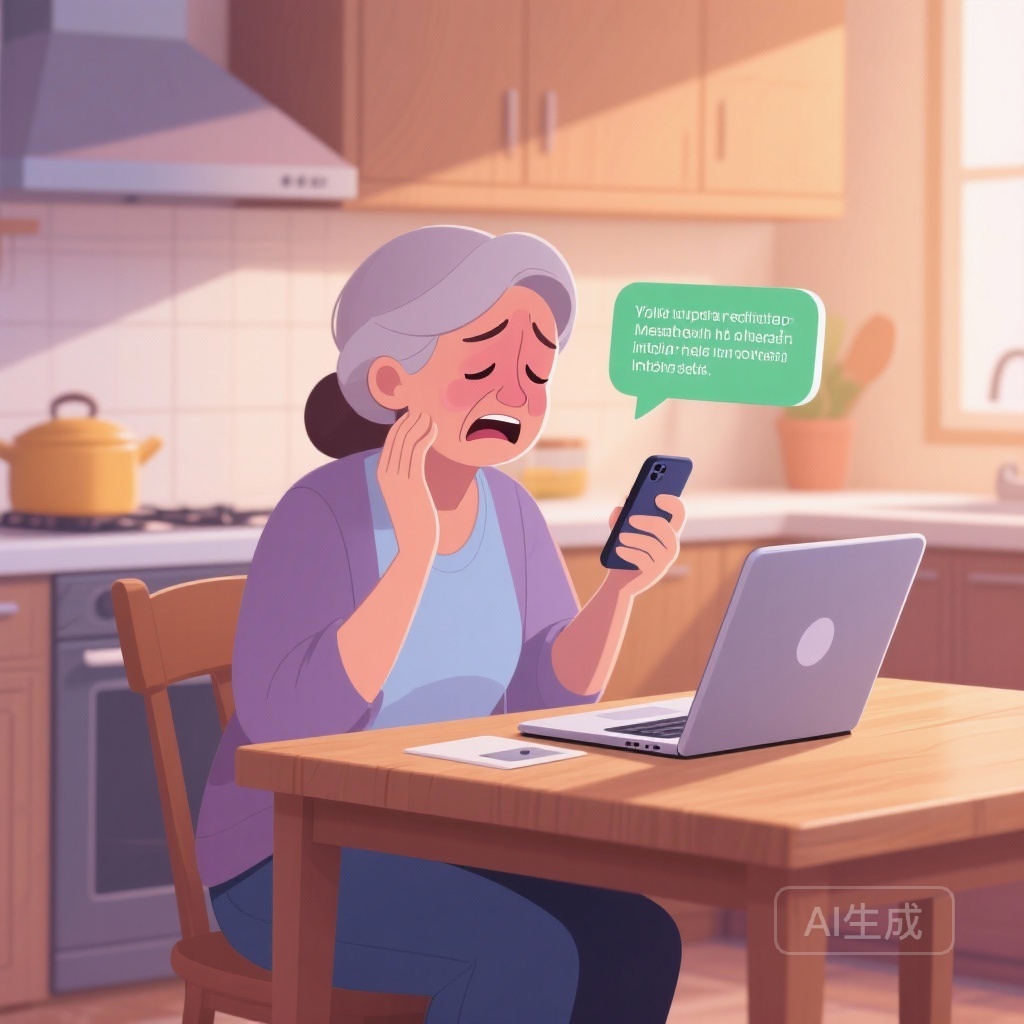
The burden of major depressive disorder (MDD) extends far beyond the diagnosed individual. Informal caregivers—typically family members, partners, or close friends—serve as the backbone of the mental health support system. While their role is critical for the patient’s recovery and the prevention of relapse, these caregivers often face significant psychological distress themselves. This phenomenon, often referred to as the “secondary burden” of mental illness, is associated with increased rates of clinical depression, anxiety disorders, and physical health complications among the caregivers.
Despite the clear clinical need, caregivers frequently remain the “invisible patients” of the healthcare system. They often face structural barriers to seeking help, including time constraints due to caregiving duties, financial costs of therapy, and the stigma associated with prioritizing their own needs over the patient. Digital health interventions (DHIs) present a unique opportunity to bridge this gap by providing evidence-based, low-threshold support that can be accessed anytime and anywhere. However, the efficacy of such programs—and whether they require human intervention to be effective—has remained a subject of intense clinical debate.
Study Design: A Multi-Arm Superiority Trial
In a landmark randomized, controlled, open-label superiority trial (DRKS00025241) conducted between March 2020 and February 2024, Schramm and colleagues evaluated a novel online self-help program specifically designed for this population. The intervention was developed using a participatory approach, involving focus groups of caregivers, affected individuals, and clinical experts to ensure the content was both relevant and empathetic.
Methodology and Cohort Characteristics
Researchers enrolled 1,640 adult caregivers of individuals with depression. The cohort was predominantly female (79%), with a mean age of 42.8 years, reflecting global trends in informal caregiving demographics. Participants were randomized in a 2:2:1 ratio into three groups:
1. Individualized Support (IND, n=651): Access to the online program plus three weekly personalized emails from trained psychologists.
2. Automated Support (AUT, n=659): Access to the same online program but receiving automated, non-personalized support messages.
3. Treatment as Usual (TAU, n=330): Receipt of standard information materials without access to the online platform.
The primary outcome measure was the change in the Kessler Psychological Distress Scale (K-10) from baseline to four weeks after randomization. The K-10 is a widely recognized 10-item questionnaire used to assess non-specific psychological distress, with higher scores indicating higher levels of distress.
Key Findings: Quantifying the Impact of Digital Intervention
At the four-week primary endpoint, both intervention groups showed statistically significant improvements in psychological distress compared to the control group.
Distress Reduction
The individualized support (IND) group demonstrated the most robust response, with an adjusted difference in K-10 scores of -1.45 (95% CI: -2.19 to -0.72; p = 0.0001) compared to TAU. The automated support (AUT) group also showed a significant, though slightly more modest, reduction of -0.89 (95% CI: -1.63 to -0.14; p = 0.0205).
While the direct comparison between IND and AUT suggested that human involvement adds therapeutic value, the fact that a fully automated system (AUT) provided a statistically significant benefit is of immense importance for health systems looking for highly scalable, low-cost solutions.
Safety and Feasibility
Safety is a paramount concern in digital mental health. The trial reported no study-related harms, reinforcing the safety profile of online self-help modules. The study did observe a 34% dropout rate (n = 562), which, while substantial, is consistent with other large-scale digital therapeutic trials. This attrition rate underscores the challenge of maintaining long-term engagement in self-guided digital platforms and suggests that while these tools are effective, they may require additional engagement strategies for certain users.
Expert Commentary: Implementation and Scalability
The findings from this trial provide a strong evidence base for incorporating digital caregiver support into integrated psychiatric services. The ability of an online program to significantly reduce distress in just four weeks suggests that it can serve as an effective rapid-response tool.
From a clinical perspective, the results support a “stepped-care” approach. Automated programs could be offered as a universal first-line resource for all caregivers at the time of a patient’s diagnosis. For those who do not respond or who present with higher baseline distress, individualized digital support or traditional face-to-face therapy could be escalated. This model optimizes clinical resources while ensuring that no caregiver is left without support.
Furthermore, the participatory design of the program—incorporating feedback from caregivers themselves—likely contributed to the clinical relevance of the content. By addressing specific challenges like setting boundaries, managing crisis situations, and self-care, the program provides practical utility that transcends simple emotional support.
Conclusion: A Path Forward for Integrated Care
The study by Schramm et al. confirms that psychological online support is an effective modality for decreasing psychosocial distress among caregivers of depressed individuals. Whether through individualized psychological emails or automated messaging, digital interventions provide a scalable, safe, and effective means of supporting those who care for others. As healthcare systems globally face increasing demands for mental health services, these digital tools offer a viable path toward truly integrated, family-centered care.
Funding and Clinical Registry
This research was supported by the German Innovation Fund (Federal Joint Committee, 01VSF19054). The trial is prospectively registered with the German Clinical Trials Register, number DRKS00025241.
References
Schramm E, Zehender N, Breuninger C, Hegerl U, Elsner A, Maun A, Schmölz M, Roick C, Sahlmann J, Grodd M, Domschke K, Elsaesser M, Graf E. Efficacy of an online self-help programme with automated or individualised psychological support versus treatment as usual for caregivers of people with depression: a randomised, controlled, open-label, superiority trial. Lancet Reg Health Eur. 2025 Dec 11;62:101560. doi: 10.1016/j.lanepe.2025.101560. PMID: 41488791.