Highlights
- Baseline insulin secretion (phi-total), measured via the Oral Minimal Model (OMM), serves as a critical predictor of treatment response to Abatacept in Stage 1 Type 1 Diabetes (T1D).
- Participants classified as “high secretors” (baseline phi-total ≥33rd percentile) experienced a 54% reduction in the hazard of progressing to Stage 2 or 3 T1D.
- In the high-secretor subgroup, Abatacept treatment resulted in an average gain of 15.8 progression-free months compared to placebo.
- This study provides the first evidence that an immune intervention can significantly delay disease progression in the pre-symptomatic Stage 1 phase of T1D.
Introduction: The Evolution of Type 1 Diabetes Prevention
For decades, the clinical management of Type 1 Diabetes (T1D) was reactive, beginning only after the onset of clinical symptoms and overt hyperglycemia. However, the conceptualization of T1D has shifted toward a continuum model, where Stage 1 is defined by the presence of two or more islet autoantibodies with normoglycemia. Intervening at this stage offers a unique window of opportunity to preserve remaining beta-cell mass before the metabolic tipping point is reached. Abatacept, a cytotoxic T lymphocyte–associated protein 4 immunoglobulin (CTLA-4 Ig) that modulates T-cell costimulation by binding to CD80/CD86, has long been a candidate for such intervention. While previous trials showed modest effects in newly diagnosed patients, its efficacy in Stage 1 had remained less clear until recent sub-analyses emerged.
The Study Design and the Oral Minimal Model
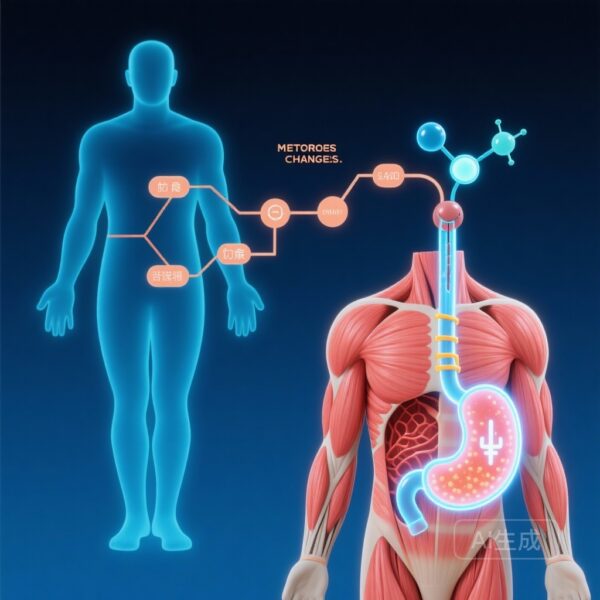
The study evaluated 203 participants with Stage 1 T1D, randomized to receive either Abatacept (n = 96) or placebo (n = 107) for 12 months. The primary objective was to assess whether Abatacept could delay the progression to Stage 2 (dysglycemia) or Stage 3 (clinical diagnosis). To gain a deeper understanding of the metabolic landscape, researchers utilized the Oral Minimal Model (OMM). Unlike static C-peptide measurements, the OMM provides a dynamic assessment of beta-cell function (phi-total) derived from oral glucose tolerance tests (OGTT) conducted at baseline and every six months over a 48-month follow-up period.
Participants were stratified based on their baseline insulin secretion levels. “High secretors” were defined as those at or above the 33rd percentile of phi-total, while “low secretors” fell below this threshold. This stratification allowed the investigators to test the hypothesis that the degree of existing beta-cell reserve dictates the efficacy of immune-modulating therapies.
Key Findings: The Importance of Baseline Secretion
The results of the analysis are striking. While the broader study cohort showed only modest preservation of C-peptide, the stratified analysis revealed a clear “responder” phenotype. Among high secretors, those treated with Abatacept gained a mean of 15.8 progression-free months (95% CI 4.85, 26.68; P = 0.005) compared to the placebo group. Furthermore, the hazard ratio (HR) for progression in high secretors was 0.46 (95% CI 0.25, 0.84; P = 0.012), representing a 54% reduction in risk.
In contrast, low secretors (those with lower baseline phi-total) derived no statistically significant benefit from Abatacept. The interaction between treatment and secretor status was significant (Interaction HR 2.92; P = 0.015), suggesting that baseline beta-cell function is not just a prognostic marker of disease speed, but a predictive biomarker for Abatacept response. This indicates that the “window of opportunity” for Abatacept may close once beta-cell function drops below a certain physiological threshold.
Mechanistic Insights and Biological Plausibility
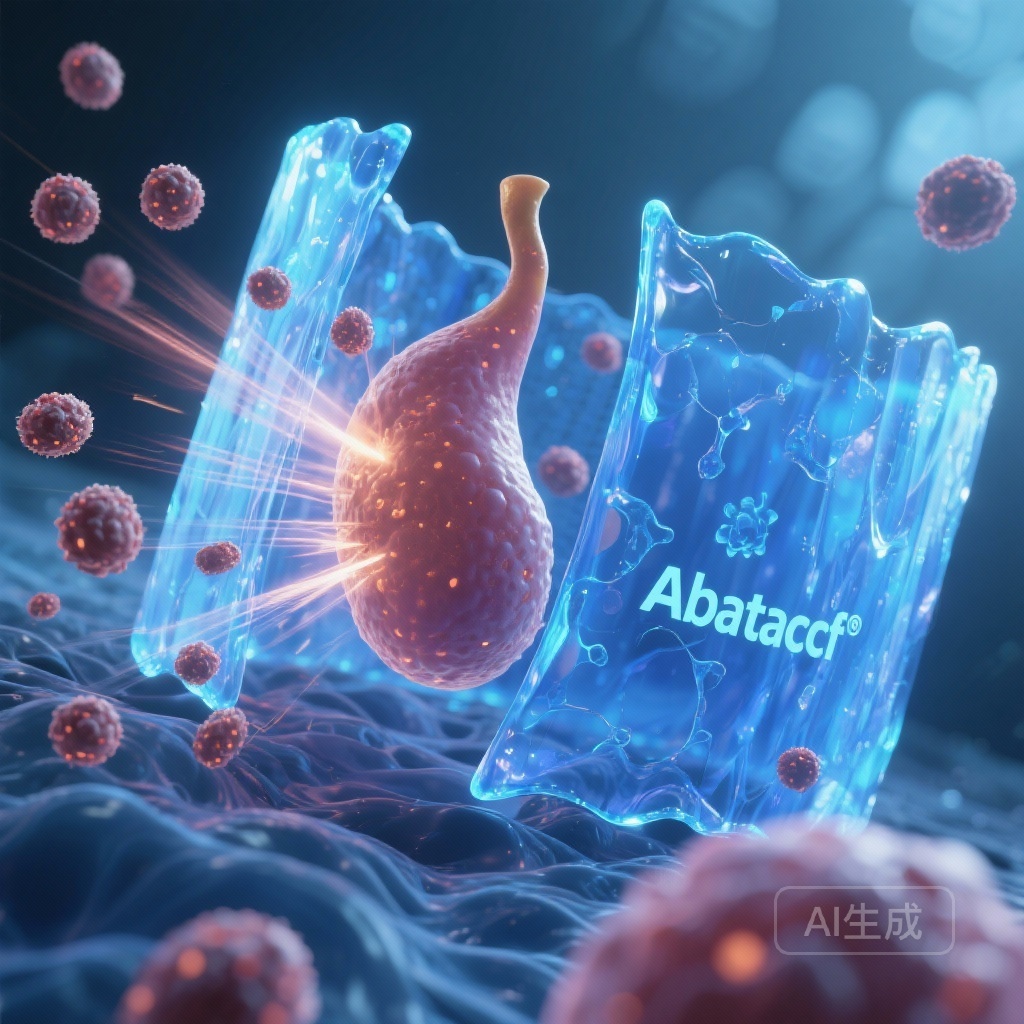
The mechanism of Abatacept involves the inhibition of the CD28-CD80/86 costimulatory pathway, which is essential for T-cell activation. By dampening this signal, Abatacept reduces the autoimmune assault on pancreatic islets. The finding that only high secretors respond effectively suggests a “threshold effect.” It is hypothesized that when beta-cell function is relatively preserved (Stage 1 high secretors), the inflammatory environment may be more reversible, or the remaining beta-cell mass is sufficient to maintain metabolic stability once the immune pressure is eased.
Conversely, in low secretors, the autoimmune process may have already reached a stage of “metabolic exhaustion” or advanced destruction that simple costimulatory blockade cannot overcome. This mirrors findings in other autoimmune diseases where early intervention is paramount to preventing irreversible tissue damage.
Expert Commentary: Towards Precision Medicine in T1D
This study marks a significant milestone in the field of T1D prevention. It moves the discourse away from a “one-size-fits-all” approach toward precision medicine. Clinical experts suggest that measuring phi-total or similar metrics of insulin secretion should become a standard part of screening protocols for clinical trials in pre-symptomatic T1D. By identifying who is most likely to benefit, clinicians can better manage patient expectations and optimize the use of expensive immunotherapies.
However, limitations must be noted. The study is a post-hoc analysis, and the 33rd percentile threshold, while validated through sensitivity analysis, requires prospective confirmation in larger, independent cohorts. Additionally, the study focused on a 12-month treatment duration; it remains an open question whether extended or cyclical dosing of Abatacept would provide even greater benefit to either high or low secretors.
Conclusion: A New Chapter in Prevention
The identification of baseline insulin secretion as a determinant of Abatacept response provides the first concrete evidence that immune interventions can successfully delay the progression of Stage 1 Type 1 Diabetes. With a gain of nearly 16 months of progression-free survival in responders, the clinical impact is substantial, potentially delaying the lifelong burden of insulin dependence and the long-term complications associated with dysglycemia. Future research should focus on whether combining Abatacept with other agents or extending the treatment window can further broaden the group of patients who benefit from these life-altering therapies.
Funding and Clinical Trial Information
This research was supported by TrialNet and various grants from the National Institute of Diabetes and Digestive and Kidney Diseases (NIDDK). ClinicalTrials.gov Identifier: NCT01773707.
References
1. Galderisi A, Carr ALJ, Taylor P, et al. Baseline Insulin Secretion Determines Response to Abatacept in Stage 1 Type 1 Diabetes. Diabetes. 2026;75(2):229-240. doi:10.2337/db25-0801.
2. Herold KC, Bundy BN, Fingerstadt SA, et al. An Anti-CD3 Antibody, Teplizumab, in Relatives at Risk for Type 1 Diabetes. N Engl J Med. 2019;381(7):603-613.
3. Russell WE, Bundy BN, Anderson MS, et al. Abatacept and B-Cell Function in Recently Diagnosed Type 1 Diabetes: A Randomized Controlled Trial. Diabetes Care. 2014;37(1):149-155.