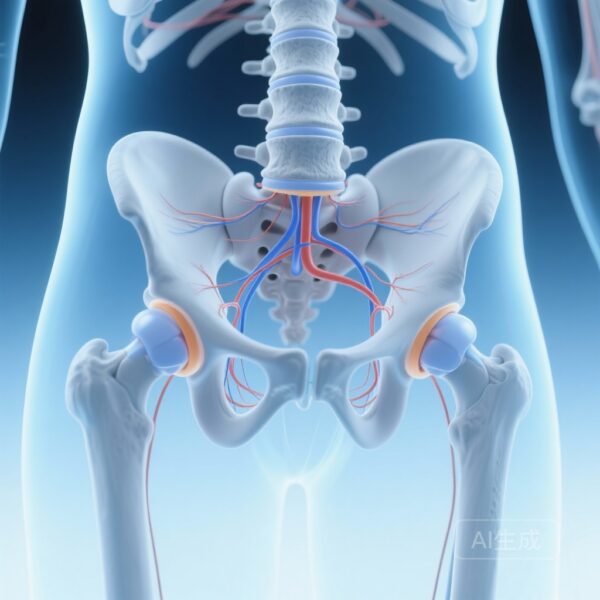
Introduction: The Intersection of Pain, Hip Fractures, and Delirium
Every year, approximately 1.5 million hip fractures occur worldwide, a figure expected to rise as the global population ages. For the elderly patient, a hip fracture is not merely a skeletal injury; it is a systemic crisis often complicated by acute cognitive dysfunction. Delirium—a state of acute confusion and fluctuating attention—affects between 20% and 62% of these patients. The consequences of delirium are severe, including prolonged hospital stays, increased risk of dementia, and higher mortality rates.
Historically, the management of acute pain in the emergency department (ED) has relied heavily on systemic opioids. However, opioids are a double-edged sword in the geriatric population, as they are potent triggers for delirium. Point-of-care ultrasound-guided regional anesthesia (POCUS-GRA), specifically the fascia iliaca compartment block (FICB), offers a compelling alternative. By providing targeted analgesia without the systemic side effects of narcotics, FICB has the potential to break the cycle of pain and cognitive decline. Despite its benefits, the routine implementation of POCUS-GRA by emergency physicians has remained inconsistent. A new study published in JAMA Network Open by Lee et al. (2025) investigates whether a structured knowledge-to-practice intervention can bridge this gap and improve patient outcomes.
The Knowledge-to-Practice Gap in Emergency Care
While the efficacy of regional anesthesia for hip fractures is well-documented in the anesthesia literature, the transition of this skill to the ED environment has faced significant hurdles. Emergency physicians operate in high-pressure, time-constrained environments where procedural complexity and a lack of formal training can hinder the adoption of new techniques.
Before this study, the uptake of POCUS-GRA for hip fractures in Canadian academic EDs was remarkably low, estimated at approximately 2.2%. The objective of the researchers was not just to prove that nerve blocks work, but to demonstrate that emergency physicians could be trained quickly and effectively to perform them, thereby reducing the incidence of delirium in their patients.
Study Design: A Stepped-Wedge Cluster Randomized Trial
To evaluate the impact of training on clinical outcomes, the researchers employed a stepped-wedge cluster randomized clinical trial design. This method is particularly useful for studying implementation strategies, as it allows for the sequential rollout of an intervention across different sites. The trial was conducted at seven academic EDs across four Canadian provinces.
Participants and Inclusion Criteria
The study included 213 emergency physicians who worked at least one shift per week and did not routinely perform POCUS-GRA. The patient cohort consisted of 694 individuals aged 65 years and older who presented with a hip fracture. Importantly, patients were excluded if they were already delirious upon arrival at the ED, ensuring that the primary outcome focused on the prevention—rather than the treatment—of delirium.
The Intervention: A 2-Hour Structured Training Program
The core of the study was a knowledge-to-practice (K2P) intervention. This was not an exhaustive residency-level course but a focused, 2-hour structured training session on fascia iliaca blocks. The training included:
1. Didactic instruction on anatomy and ultrasound landmarks.
2. Hands-on practice on simulators or standardized patients.
3. A competency assessment to ensure procedural safety.
4. Provision of a ‘procedure bundle’ (standardized equipment) and follow-up email reminders to reinforce the practice.
Key Findings: Uptake, Efficacy, and Safety
The results of the trial, analyzed in August 2025, provide robust evidence for the effectiveness of the K2P intervention and the subsequent clinical benefits for patients.
Significant Increase in Procedural Uptake
The most immediate result was the dramatic shift in physician behavior. Before the training intervention, only 6 of 264 patients (2.2%) received a nerve block. Following the training, this number surged to 236 of 446 patients (52.9%), representing a 51.7% absolute increase in the use of POCUS-GRA. This demonstrates that a relatively brief, 2-hour training session can successfully overcome the initial barriers to adopting regional anesthesia in the ED.
Reduction in Delirium Risk
The primary clinical outcome was the incidence of delirium within seven days of ED presentation, measured using the Confusion Assessment Method (CAM). After adjusting for confounders, time, and site clustering, the study found a significant reduction in delirium risk. The odds ratio (OR) for the intervention group was 0.72 (95% CI, 0.57-0.93), indicating a 28% reduction in the odds of developing delirium compared to the control group.
While the intervention reduced the incidence of delirium, it did not significantly reduce the mean number of days a patient remained delirious if they did develop the condition. This suggests that the primary benefit of early regional anesthesia in the ED is preventative.
Analgesic Effectiveness and Procedural Efficiency
Critics of ED-based nerve blocks often cite the time required to perform the procedure as a barrier. However, this study debunked that notion. The median time to perform the block was just 15 minutes (IQR, 12-20 minutes), and 90% of the procedures were completed in under 25 minutes.
In terms of pain management, the blocks were highly effective. Among the 186 nerve blocks with complete pain data, 57.5% achieved a reduction in pain scores of 50% or greater. Furthermore, the safety profile was excellent; only one minor hematoma was reported across all procedures, with no major systemic complications related to local anesthetic toxicity.
Expert Commentary: Interpreting the Impact
This study is a landmark for emergency medicine because it addresses the ‘how’ as much as the ‘why.’ The use of a stepped-wedge design provides high-quality evidence that training ED physicians is feasible and produces tangible patient benefits.
The Biological Plausibility
The reduction in delirium is likely multifactorial. By blocking pain at the source, the fascia iliaca block reduces the physiological stress response associated with trauma. More importantly, it allows for a significant ‘opioid-sparing’ effect. Since opioids are known to interfere with neurotransmitter systems (such as acetylcholine and dopamine) that maintain delirium-free states, reducing the total narcotic load in the first 24 to 48 hours is critical for cognitive preservation in the elderly.
Addressing Suboptimal Uptake
While the increase from 2% to 53% is impressive, the researchers noted that uptake remained ‘suboptimal’ since nearly half of the patients in the intervention group still did not receive a block. Reasons for this may include physician turnover, overcrowding in the ED, or the presence of contraindications. However, the fact that a significant reduction in delirium was observed even with 53% uptake suggests that if implementation were further optimized, the public health impact could be even greater.
Conclusion: A New Standard for Geriatric Emergency Care
The study by Lee et al. (2025) confirms that POCUS-guided regional anesthesia is a vital tool in the emergency physician’s arsenal for managing hip fractures. A 2-hour structured training intervention is sufficient to change clinical practice, leading to faster, safer, and more effective pain management. Most importantly, this intervention directly contributes to the prevention of delirium, a devastating complication for the elderly.
For hospital administrators and ED directors, these findings suggest that investing in POCUS training and standardized procedure bundles is not just a matter of clinical preference—it is a matter of patient safety and quality of care. As the medical community moves toward more geriatric-friendly emergency departments, the routine use of nerve blocks for hip fractures should become the expected standard of care.
Funding and Clinical Trial Information
This study was registered at ClinicalTrials.gov (NCT02892968). Funding was provided by provincial and academic research grants aimed at improving emergency care for the elderly.
References
1. Lee JS, Chenkin J, Simard R, et al. Ultrasound-Guided Regional Anesthesia by Emergency Physicians for Hip Fractures and Delirium: A Randomized Clinical Trial. JAMA Netw Open. 2025;8(12):e2549337. doi:10.1001/jamanetworkopen.2025.49337.
2. Inouye SK, Westendorp RG, Saczynski JS. Delirium in elderly people. Lancet. 2014;383(9920):911-922.
3. Ritcey B, Pageau P, et al. Regional nerve blocks for hip and femoral neck fractures in the emergency department: A systematic review. Canadian Journal of Emergency Medicine. 2016;18(1):37-47.