Temporary Inpatient Hemodialysis Access for Uninsured Patients Is Associated with Shorter Hospital Stays in a County Safety-Net System

Temporary Inpatient Hemodialysis Access for Uninsured Patients Is Associated with Shorter Hospital Stays in a County Safety-Net System

A Los Angeles County quality-improvement study found that regulatory approval allowing an inpatient hemodialysis unit to provide transitional outpatient dialysis to uninsured patients initiating hemodialysis was associated with a substantial, sustained reduction in hospital length of stay.
Antibody–Drug Conjugates and Heart Risk in HER2-Positive Advanced Breast Cancer: What Clinicians Need to Know

Antibody–Drug Conjugates and Heart Risk in HER2-Positive Advanced Breast Cancer: What Clinicians Need to Know

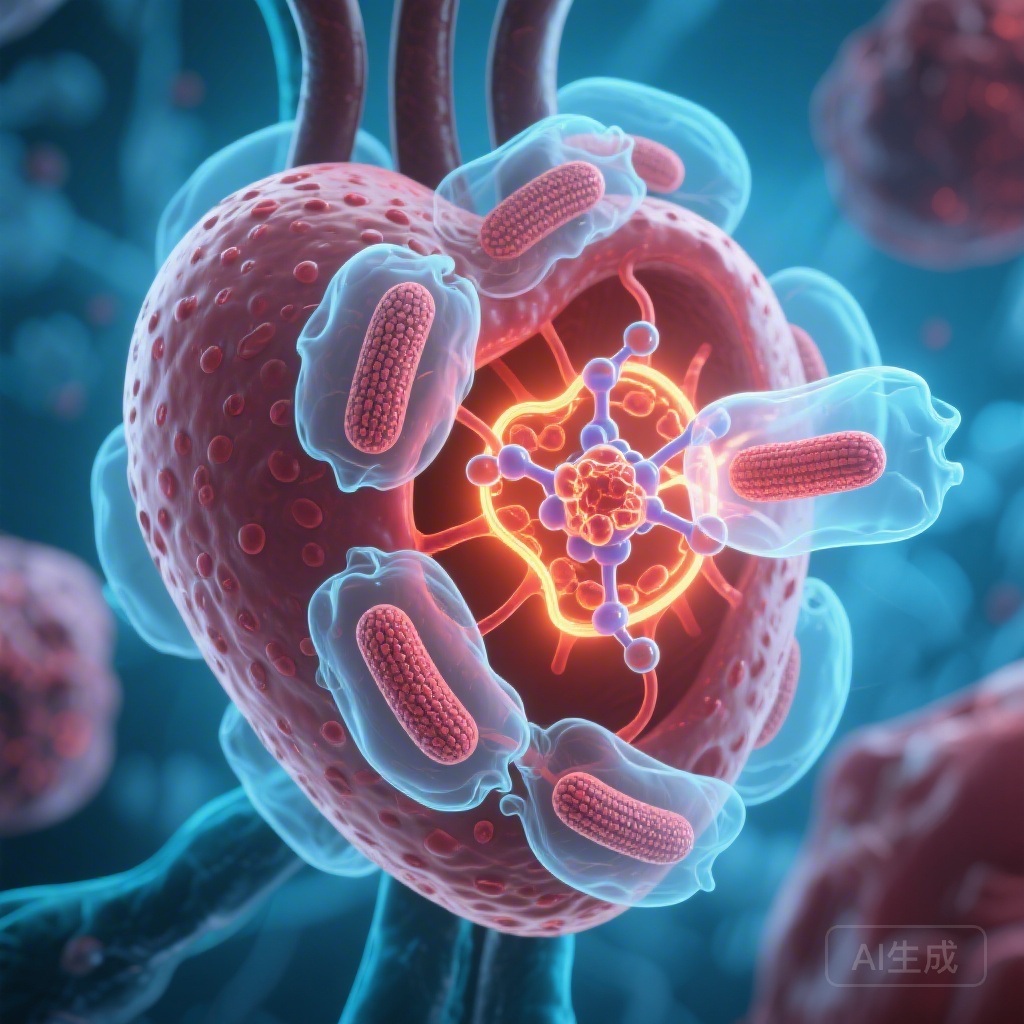
A 2025 meta-analysis of 9,538 patients found trastuzumab emtansine (T‑DM1) carries the lowest incidence of LVEF decline (0.94%), while trastuzumab deruxtecan (T‑DXd) and trastuzumab-based combinations show similar, modest rates (≈4–5%). Trial selection and monitoring practices limit generalizability; baseline cardiac assessment and individualized surveillance remain essential.
Therapist-Guided e‑Health Cuts Fear of Cancer Recurrence in Colorectal Survivors: A Randomized Trial Shows Clinically Meaningful Benefits

Therapist-Guided e‑Health Cuts Fear of Cancer Recurrence in Colorectal Survivors: A Randomized Trial Shows Clinically Meaningful Benefits

A Danish RCT of TG‑iConquerFear, a 10‑week therapist‑guided online program for colorectal cancer survivors with clinical fear of cancer recurrence (FCR), reduced FCR scores substantially compared with augmented self‑help at 3 months; the between‑group effect was clinically meaningful (Cohen d 0.62).
Neural Networks Predict Survival for Older Adults With Head and Neck Cancer — Useful, but Not Yet Practice-Changing

Neural Networks Predict Survival for Older Adults With Head and Neck Cancer — Useful, but Not Yet Practice-Changing

An international cohort study developed and externally validated artificial neural networks that stratify older adults with locoregionally advanced head and neck squamous cell carcinoma (HNSCC) treated with definitive chemoradiation. Models showed moderate discrimination (OS AUC 0.68, PFS AUC 0.64) with HPV status, kidney function, ECOG, and nodal stage among top predictors.
Short Program, Long Gains: A 24‑Week Multicomponent Frailty Intervention Extended Disability‑Free Survival and Delivered Net Health-System Savings Over 66 Months

Short Program, Long Gains: A 24‑Week Multicomponent Frailty Intervention Extended Disability‑Free Survival and Delivered Net Health-System Savings Over 66 Months

A 24‑week, community-based multicomponent frailty intervention in rural Korea was associated with 6.5 additional months free from death or long‑term care eligibility and ~$7,700 per-person NHIS savings over 66 months, suggesting durable clinical and economic benefits.
Community Health Workers Reduce Interdialytic Weight Gain and Improve Engagement Among Hispanic/Latino Hemodialysis Patients: Results from the Navigate‑Kidney RCT

Community Health Workers Reduce Interdialytic Weight Gain and Improve Engagement Among Hispanic/Latino Hemodialysis Patients: Results from the Navigate‑Kidney RCT

A randomized trial found that a culturally tailored community health worker (CHW) intervention modestly reduced interdialytic weight gain, improved dialysis adherence, and increased patient activation among Hispanic and Latino adults receiving in‑center hemodialysis.
Acoramidis Shows Consistent Benefit in Wild‑Type and Variant Transthyretin Amyloid Cardiomyopathy — Signal Extends Through 42 Months

Acoramidis Shows Consistent Benefit in Wild‑Type and Variant Transthyretin Amyloid Cardiomyopathy — Signal Extends Through 42 Months

In ATTRibute‑CM and its open‑label extension, acoramidis (712 mg twice daily) produced consistent reductions in all‑cause mortality and cardiovascular hospitalizations in both wild‑type and variant ATTR cardiomyopathy, including p.Val142Ile, with mortality benefit persisting through month 42.
Remote Cognitive Training, Structured Rehabilitation and tDCS Failed to Improve Self‑Reported Cognitive Symptoms in Long COVID: Results from a 5‑Arm Phase 2 Randomized Trial

Remote Cognitive Training, Structured Rehabilitation and tDCS Failed to Improve Self‑Reported Cognitive Symptoms in Long COVID: Results from a 5‑Arm Phase 2 Randomized Trial

A multicenter phase 2 randomized trial found no differential benefit of adaptive computerized cognitive training, structured cognitive rehabilitation, or transcranial direct current stimulation (tDCS) versus active comparators for self‑reported cognitive symptoms in long COVID.