Explore five common physical signs indicating the onset of aging and learn how consistent sleep habits can help slow biological aging through practical lifestyle changes.
Fungal nail infections, commonly known as onychomycosis or 'gray nails,' affect millions and require proper diagnosis and treatment to avoid complications. Learn who is at risk, how to recognize symptoms, treatment options, and practical prevention tips.
A simple sitting-rising test (SRT) and single-leg standing time can powerfully predict mortality risk and reflect neuromuscular aging, offering a low-cost method to assess health in middle-aged and older adults.
Intestinal polyps are common findings during colonoscopy, especially among those older than 50. While most are benign, certain types carry a significant risk of progressing to colorectal cancer. This article explores polyp types, risk factors, and clinical recommendations for removal.
Breast cancer is the most common cancer among women, with 90% of patients belonging to high-risk groups. This article explores five major risk factors, early detection strategies, and lifestyle changes crucial for prevention.
Stroke, a sudden interruption of brain blood flow, can lead to severe disability or death but is largely preventable. Early recognition and timely intervention can save lives and reduce complications.
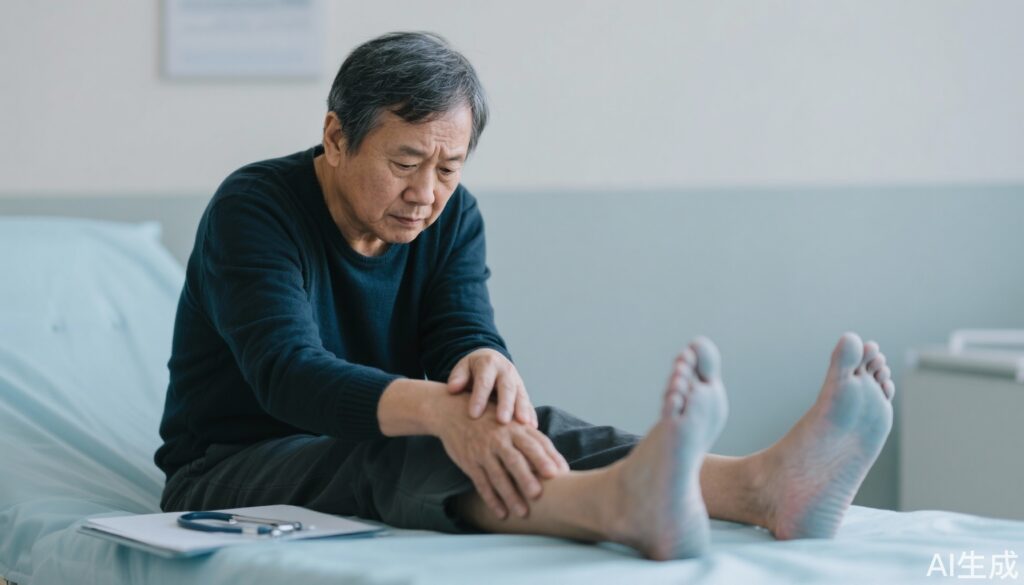
Discover the crucial early signs of vascular blockage in hands and feet, simple self-check methods, and expert insights to protect your circulatory health effectively.
Exploring the impact of skipping brushing before sleep versus skipping it before breakfast on oral and overall health, highlighting why nighttime brushing is crucial.
Recent studies reveal that exercising after 6 p.m. significantly lowers cardiovascular risks and improves blood sugar control, highlighting evening as the ideal time for physical activity to protect heart health.
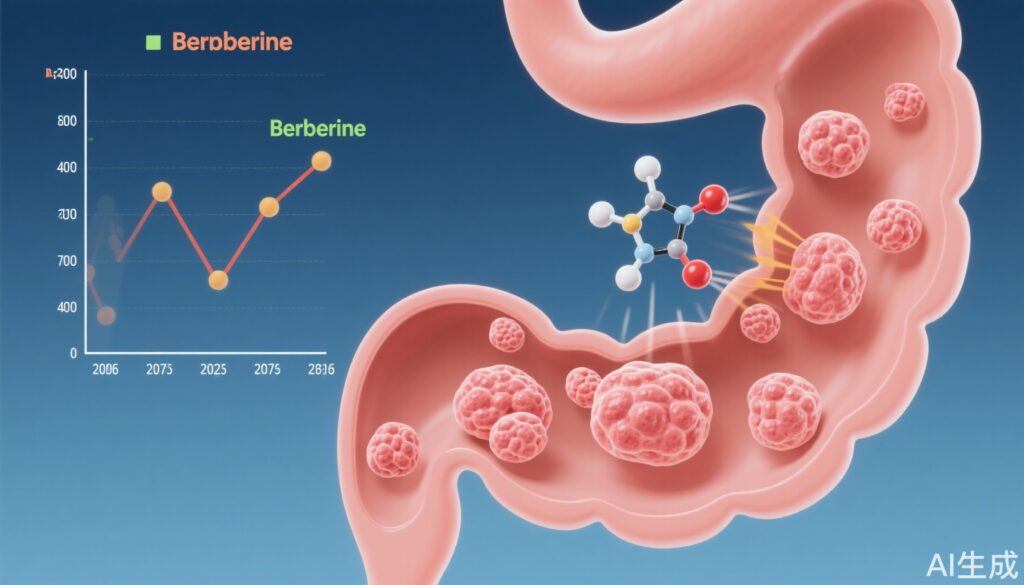
Berberine shows sustained efficacy and safety in reducing colorectal adenoma recurrence and neoplasm occurrence after polypectomy, providing new directions for secondary prevention of colorectal cancer.
Recent research uncovers that the probiotic Clostridium butyricum directly interacts with colorectal cancer cells to inhibit immune suppression via the secD-GRP78 axis, restoring CD8+ T cell antitumor function and enhancing PD-1 inhibitor therapy.
A large real-world study shows that SGLT2 inhibitors significantly slow kidney function decline and improve albuminuria compared with other glucose-lowering drugs in type 2 diabetes patients with chronic kidney disease.
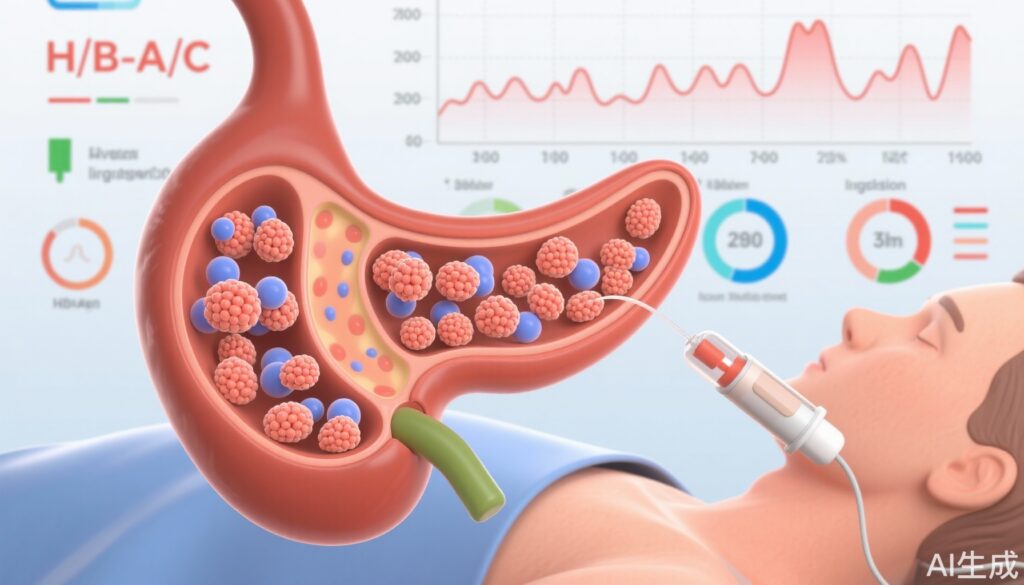
Dapagliflozin and exenatide independently improve beta-cell function and insulin sensitivity in type 2 diabetes; their combination markedly enhances these effects, suggesting superior glycemic control potential.
This multicenter study identifies key predictors of diabetes outcomes one year after total pancreatectomy with islet autotransplantation, highlighting the importance of preoperative glycemic control and age in achieving insulin independence and maintaining islet graft function.
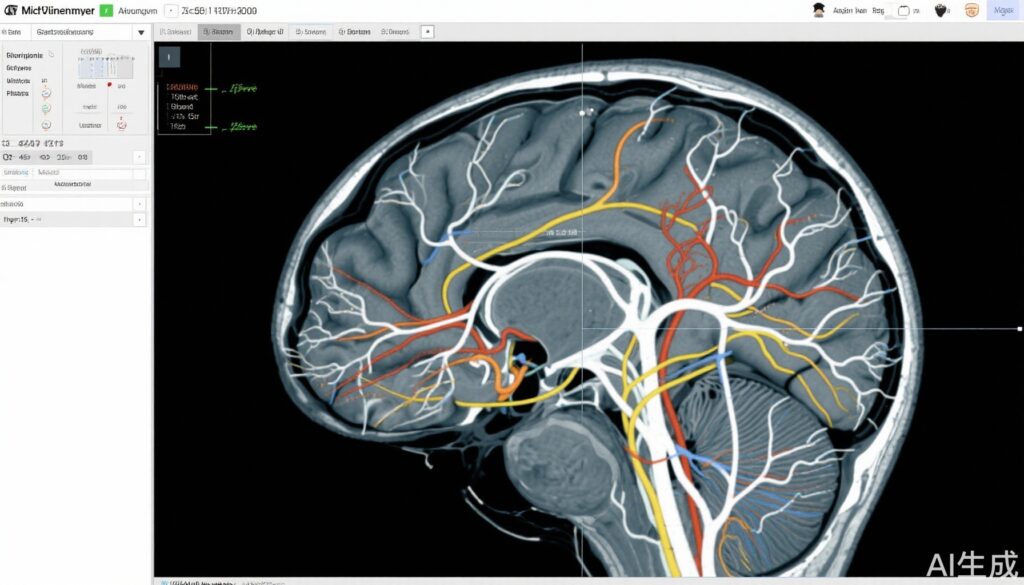
A randomized trial demonstrates that modified target delineation integrating multimodal MRI and white matter tractography with moderately hypofractionated radiotherapy achieves comparable survival outcomes to standard IMRT while reducing irradiation volumes in high-grade glioma patients.
This phase 1 trial demonstrates that linperlisib combined with chidamide offers manageable safety and noteworthy efficacy in relapsed or refractory cutaneous T-cell lymphoma, providing a potential new all-oral therapeutic option for advanced disease.
A nonrandomized trial reveals that combined nivolumab and ipilimumab treatment achieves a 54% response rate with durable effects in advanced ovarian and endometrial clear cell cancers, addressing critical unmet therapeutic needs.
New research reveals that high-dose vitamin C selectively kills LKB1-mutant NSCLC cells by inducing pyroptosis, reversing immunotherapy resistance and improving T cell infiltration through GLUT1-mediated uptake and ROS-mediated cell death.
This international multicenter study evaluates total neoadjuvant therapy (TNT) in routine clinical practice for stage II/III rectal adenocarcinoma, demonstrating varied regimen use and confirming TNT’s efficacy across treatment strategies.
The ACCORD trial demonstrates that combining camrelizumab with chemoradiotherapy significantly improves survival outcomes in resectable extrahepatic cholangiocarcinoma and gallbladder cancer, with an acceptable safety profile.