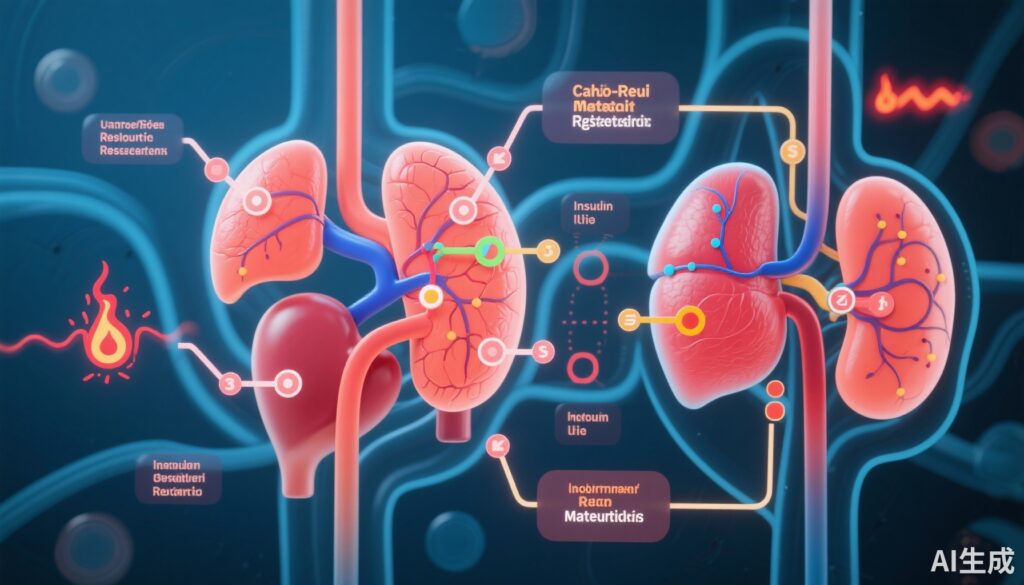
This study demonstrates that insulin resistance indices, particularly TyG-WC, TyG-WHtR, and METS-IR, robustly predict the risk and progression of cardio-renal-metabolic multimorbidity, with inflammation and kidney function mediating these associations.
This study reveals that adherence to the American Heart Association diet significantly reduces CKD progression risk from cardio-metabolic disorders, underscoring its role in early intervention strategies.
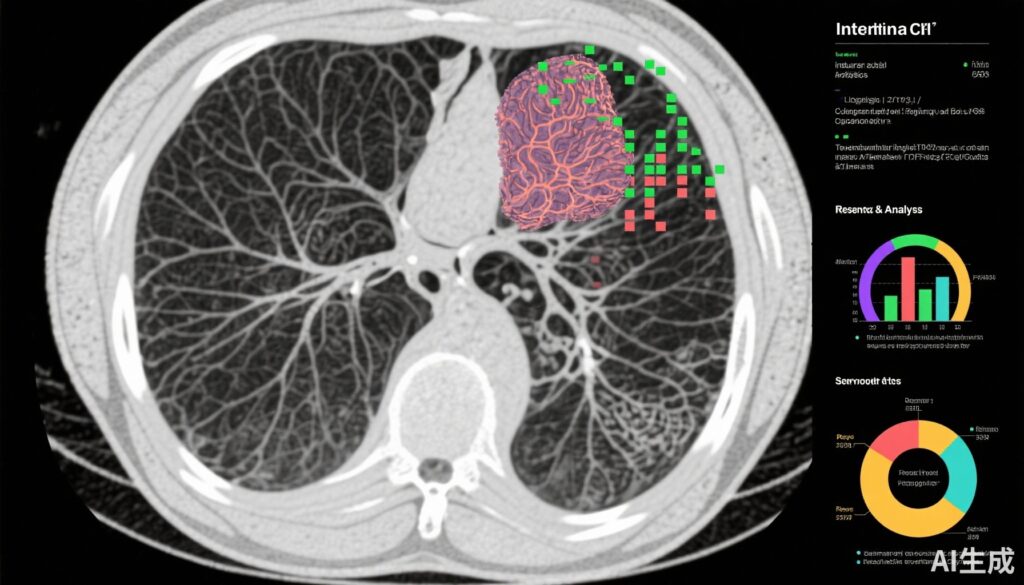
This article examines the prevalence, risk factors, and diagnostic screening strategies for rheumatoid arthritis-associated interstitial lung disease (RA-ILD) in early rheumatoid arthritis, highlighting age and disease activity as key predictors and validating practical screening tools.
The updated GRACE 3.0 scoring system improves mortality prediction and personalizes early invasive treatment decisions in non-ST-elevation acute coronary syndrome across ten countries, demonstrating excellent validation and clinical utility.
The Score of Integrated Balance in Ataxia (SIBA) is a newly developed digital composite score that accurately measures standing and walking balance in spinocerebellar ataxia, enabling smaller, more efficient clinical trials with improved sensitivity to disease progression compared to existing scales.
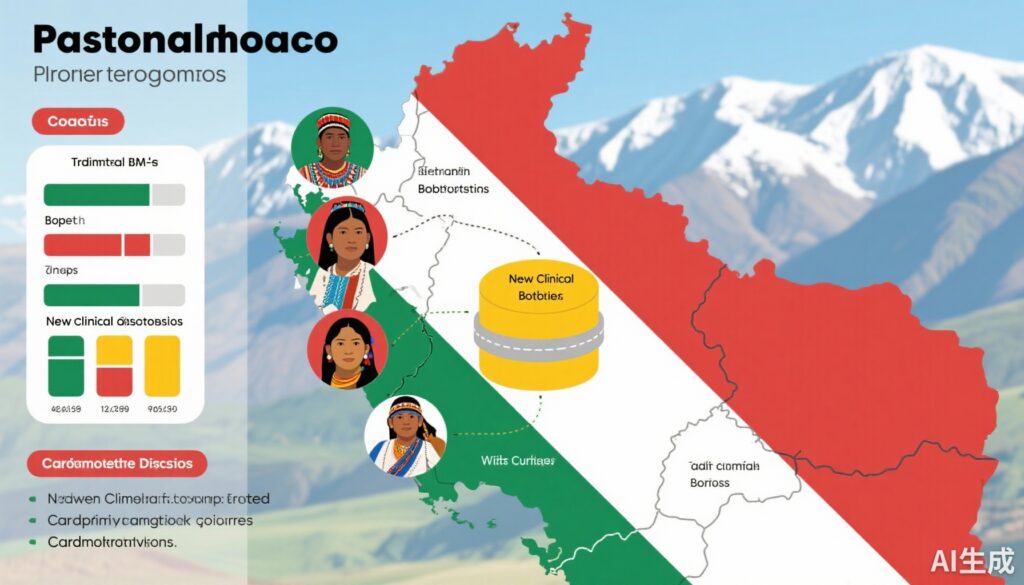
This review examines a landmark Peruvian study applying new obesity definitions that incorporate clinical dysfunction and adiposity measures beyond BMI, revealing substantial underdiagnosis with traditional approaches and ethnic variation in fat distribution.
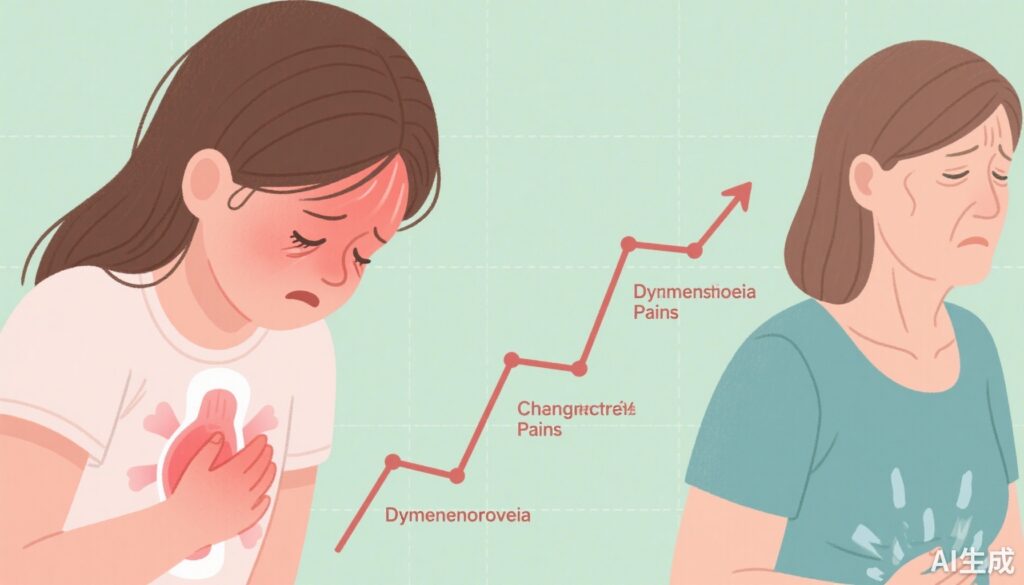
A UK cohort study reveals that adolescent dysmenorrhoea increases the risk of chronic pain in adulthood, highlighting the need for early identification and management.
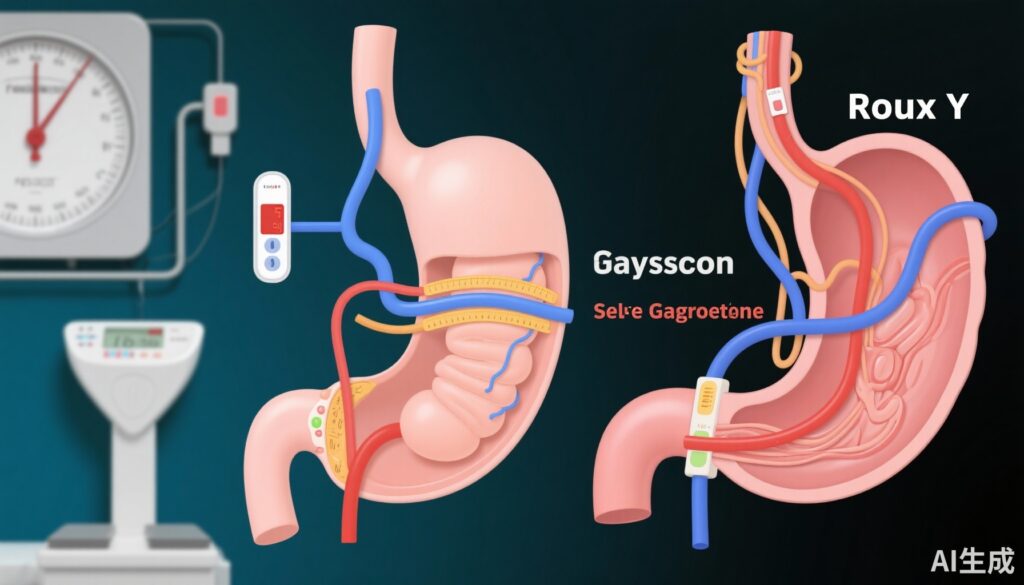
A Swedish nationwide study reveals Roux-en-Y gastric bypass yields superior long-term benefits in type 2 diabetes remission and reduced mortality compared to sleeve gastrectomy, despite higher risks of nutritional deficiencies and psychiatric complications.
This systematic analysis of the GBD 2023 presents global trends in disease burden, risk factors, and healthy life expectancy across 204 countries, elucidating shifts in NCDs, CMNN diseases, injuries, and underlying risk drivers crucial for guiding future health policy.
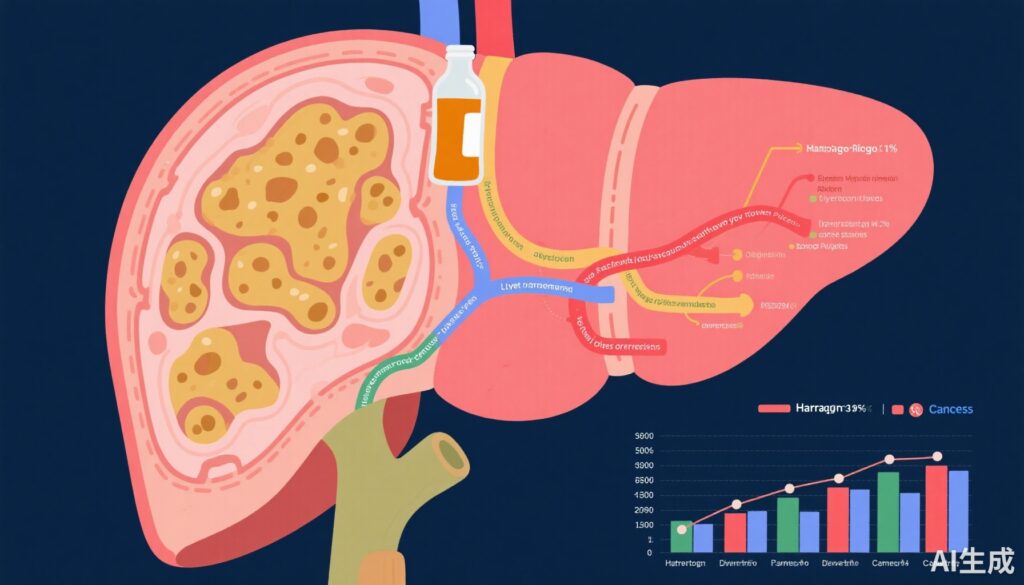
This meta-analysis reveals that MetALD confers higher risks of liver-related events, hepatocellular carcinoma, and extrahepatic cancers compared to MASLD, while mortality and cardiovascular risks are similar, emphasizing tailored clinical approaches.
A comprehensive analysis reveals ongoing challenges in diabetes diagnosis, treatment, and glycaemic control worldwide, highlighting the urgent need for enhanced care strategies, especially in low- and middle-income regions.
The STEP UP trial demonstrates that once-weekly semaglutide 7.2 mg significantly improves weight loss outcomes versus 2.4 mg and placebo in adults with obesity, with a manageable safety profile.
Recent evidence confirms active West Nile virus transmission across Brazil with significant neurological impact and fatalities, emphasizing the need for enhanced surveillance and public health action in South America.
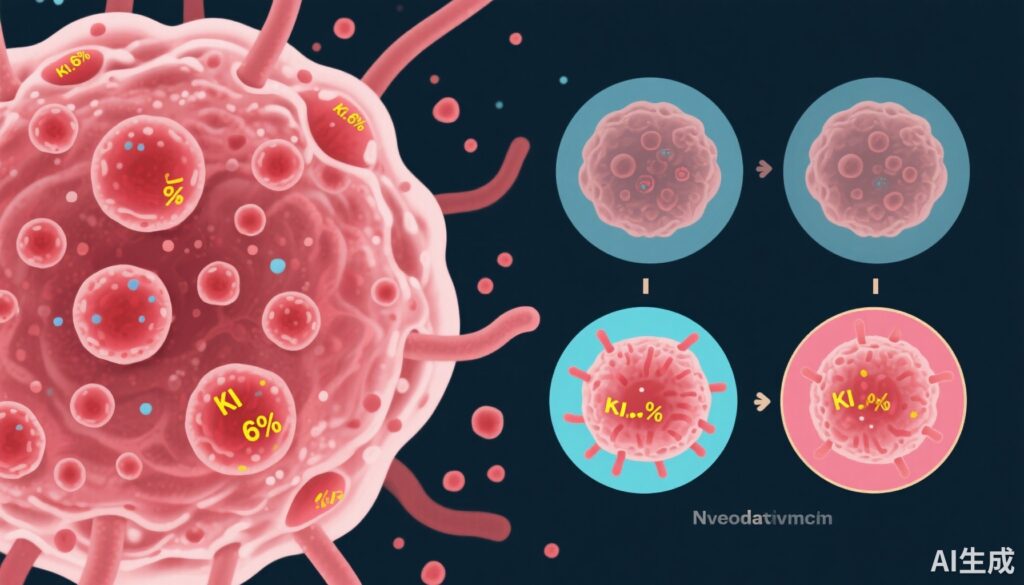
This study highlights the prognostic significance of tumor Ki-67 changes during neoadjuvant treatment, offering potential for improved risk stratification and personalized therapy in breast cancer patients.
This study uses real-world data to compare the effectiveness and safety of trastuzumab deruxtecan versus trastuzumab emtansine and tucatinib in HER2-positive metastatic breast cancer, confirming their clinical value.
This study highlights how poor mental well-being during adolescence predicts increased risks of mental illness, risky behaviors, and mortality in young adulthood, emphasizing the urgency for early identification and intervention.
Nghiên cứu này nhấn mạnh cách sức khỏe tinh thần kém trong độ tuổi thiếu niên dự đoán nguy cơ tăng cao về bệnh tâm thần, hành vi nguy hiểm và tử vong trong độ tuổi trưởng thành trẻ, nhấn mạnh sự cấp bách của việc phát hiện và can thiệp sớm.
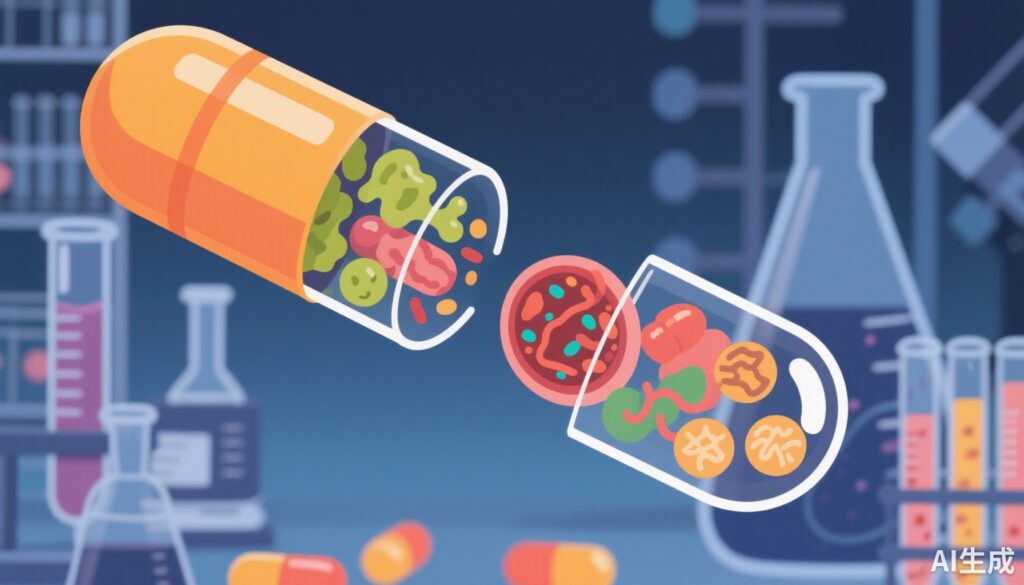
This study investigates whether sterile lyophilised fecal filtrate is as effective as traditional donor stool in preventing recurrent C. difficile infection, highlighting the importance of live microbes in treatment efficacy.
This study reveals significant late effects in childhood neuroblastoma survivors, emphasizing the need for targeted long-term follow-up care based on treatment exposures.