The Global Challenge: Feeding the Future Without Costing the Earth
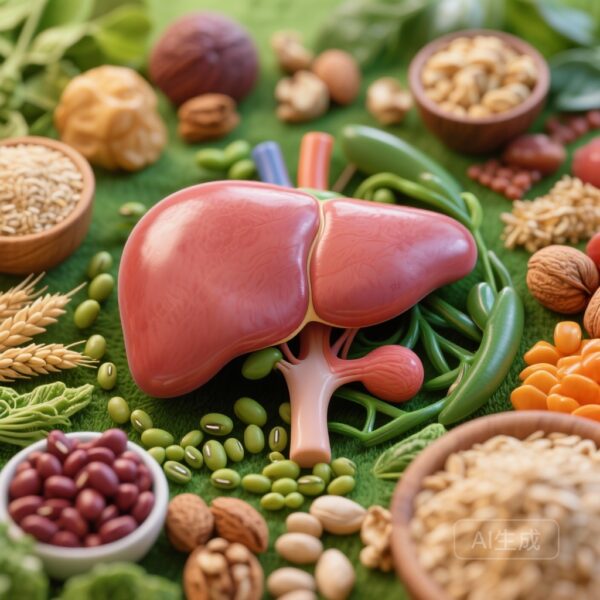
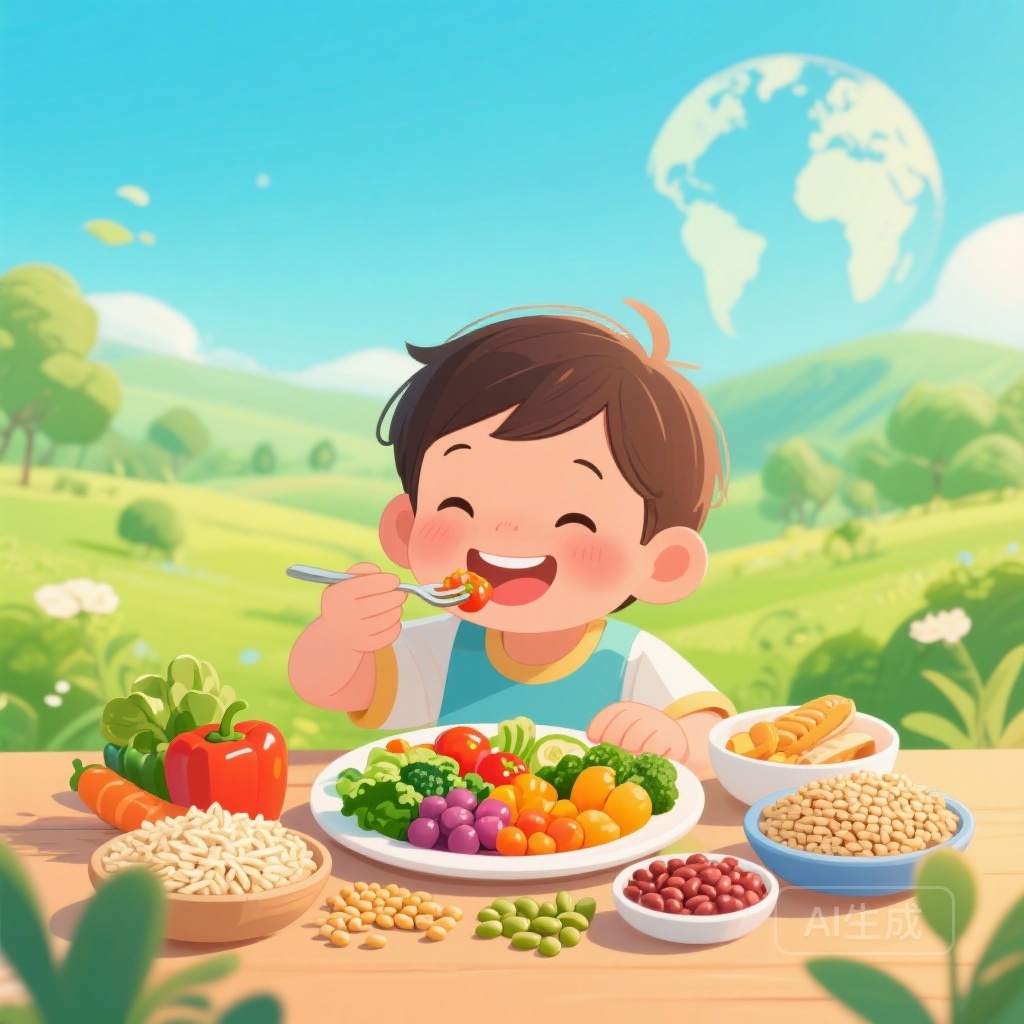
As we face the dual challenges of a growing global population and a changing climate, our dietary choices have moved to the center of scientific and public debate. In 2019, the EAT-Lancet Commission introduced the Planetary Health Diet (PHD), a global reference diet designed to feed nearly 10 billion people within planetary boundaries. This diet emphasizes a high intake of plant-based foods—such as fruits, vegetables, whole grains, legumes, and nuts—while significantly limiting red meat, sugar, and refined grains.
While the PHD has been lauded as a roadmap for environmental sustainability, a critical question remained: Is it safe for children? Unlike adults, children are in a constant state of rapid physiological growth. They require high densities of specific micronutrients to support brain development, bone mineralization, and immune function. Recently, researchers have introduced the Planetary Health Diet Index for Children (PHDI-C) to better capture whether this sustainable way of eating meets the unique needs of the pediatric population.
The Pediatric Puzzle: Why Kids Aren’t Just Small Adults
Nutritional requirements for children aged 2 to 5 are substantially different from those of adults. A child’s caloric intake is lower, yet their needs for specific minerals like calcium for bone health and iron for cognitive development are proportionally high. When researchers began applying the adult-focused EAT-Lancet diet to younger populations, concerns were raised about whether a diet so low in animal products could provide enough Vitamin B12, Zinc, and Calcium for growing bodies.
To address this, the PHDI-C was developed as a modified version of the original index. It adjusts portion sizes and expectations based on pediatric dietary guidelines, aiming to determine if a child following the spirit of the Planetary Health Diet can truly thrive. A recent study involving 945 children from the SENDO cohort has shed light on this very issue, providing some of the most comprehensive data to date on the relationship between sustainable eating and micronutrient adequacy in early childhood.
A Family Perspective: The Miller Family and the Green Lunchbox
To understand how these concepts apply in real life, consider the Millers. Sarah and David, residents of a suburban community in Ohio, are passionate about environmental conservation. When their son, Leo, turned four, they decided to transition the family to a more plant-forward diet. Sarah packed Leo’s lunch with hummus, whole-grain crackers, carrot sticks, and berries.
However, Sarah found herself worrying: “Is he getting enough iron? What about his calcium?” Like many parents, the Millers wanted to do right by the planet without compromising Leo’s growth. This internal conflict is what researchers aim to resolve by studying indices like the PHDI-C. By tracking how children like Leo eat and comparing it to their blood levels or estimated nutrient intake, scientists can provide the evidence-based guidance parents desperately need.
Scientific Evidence: What the Data Tell Us
The SENDO cohort study examined children aged 4 to 5 years, using parent-administered Food Frequency Questionnaires (FFQs). The researchers calculated both the original PHDI and the child-adapted PHDI-C scores. The scores ranged from 0 to 150, with higher scores indicating closer adherence to the Planetary Health Diet principles.
The findings were encouraging but nuanced. The study found that higher scores on the PHDI-C were strongly associated with a lower risk of overall micronutrient inadequacy. Specifically, children in the highest third (tertile) of the PHDI-C scores had 55% lower odds of having three or more inadequate micronutrient intakes compared to those in the lowest tertile. This suggests that, overall, a well-planned planetary health diet is actually more nutrient-dense than the typical Western diet many children currently consume.
The Nutrient Breakdown: Successes and Shortfalls
The study highlighted a list of nutrients that improved as children ate more sustainably. These included:
– Vitamins A, C, and E: Essential for vision, skin health, and antioxidant protection.
– B-Vitamins (B1, B3, B6, and Folate): Vital for energy metabolism and neurological function.
– Essential Minerals: Magnesium, Selenium, Zinc, Chromium, and Potassium.
– Iron: Crucial for oxygen transport and brain health.
However, the data also revealed a “nutrient gap” that requires attention. As PHDI-C scores increased, the intake of certain nutrients decreased. These included Vitamin B2 (Riboflavin), Vitamin B12, Calcium, and Iodine. This occurs because these nutrients are most concentrated in dairy and animal products, which are minimized in the EAT-Lancet framework.
Table: Micronutrient Trends in High PHDI-C Adherence
| Nutrient Category | Increased Intake | Decreased Intake |
| :— | :— | :— |
| Vitamins | Vit A, Vit C, Vit E, B1, B3, B6, Folate | Vit B2, Vit B12 |
| Minerals | Fe, Mg, Se, Zn, Cr, K | Calcium, Iodine |
| Health Impact | Better immune & antioxidant status | Risk to bone health & neurological development |
Practical Guidance: Balancing the Scale
For parents like the Millers and healthcare providers, the results of this study offer a roadmap rather than a restriction. It is entirely possible for a child to follow a planetary health diet, provided there is intentionality regarding the “gap” nutrients.
1. Vitamin B12: Since B12 is only naturally found in animal products, children on highly plant-based diets may need fortified foods (such as plant milks or nutritional yeast) or a supplement.
2. Calcium: While leafy greens and legumes provide some calcium, their bioavailability is often lower than dairy. Parents should emphasize calcium-fortified plant-based milks or small amounts of high-quality dairy to meet requirements for bone mineralization.
3. Iodine: Iodine is critical for thyroid function and brain development. Using iodized salt in moderation or ensuring intake of seaweed or fortified foods can bridge this gap.
4. Riboflavin (B2): Found in eggs and dairy, B2 can also be sourced from almonds, mushrooms, and fortified cereals.
Expert Commentary: A Nuanced Approach
Dr. Elizabeth Thompson, a pediatric nutritionist not involved in the study, notes: “The PHDI-C is a significant step forward because it acknowledges that we cannot simply apply adult environmental goals to children without adjustment. The study shows us that a sustainable diet is not a deficient diet—in many ways, it is superior because it replaces empty calories from processed foods with nutrient-dense plants. However, the drop in B12 and Calcium is a signal that we must remain vigilant and perhaps allow for a bit more flexibility in the pediatric version of the planetary diet than we do for adults.”
Conclusion: A Path Forward for Healthy Kids
The development of the PHDI-C confirms that the goals of environmental sustainability and pediatric health are not mutually exclusive. When children eat a diet rich in whole plant foods, they often achieve better intake of fiber and health-promoting phytonutrients. However, because children are in a critical window of development, the transition to a planetary health diet must be managed carefully to ensure that bone-building minerals and essential vitamins are not left behind.
Future research will likely focus on the long-term clinical outcomes of children following the PHDI-C, such as growth rates and cognitive scores. For now, the message for parents is one of cautious optimism: a greener plate can indeed lead to a healthier child, provided we pay close attention to the small details of micronutrient adequacy.
References
Fabios E, Zazpe I, Santiago S, García S, Martínez-González MÁ, Martín-Calvo N. EAT-Lancet reference diet and nutritional adequacy in children: examining the planetary health diet index for children (PHDI-C). Eur J Nutr. 2025 Dec 19;65(1):16. doi: 10.1007/s00394-025-03858-9. PMID: 41417229; PMCID: PMC12717126.