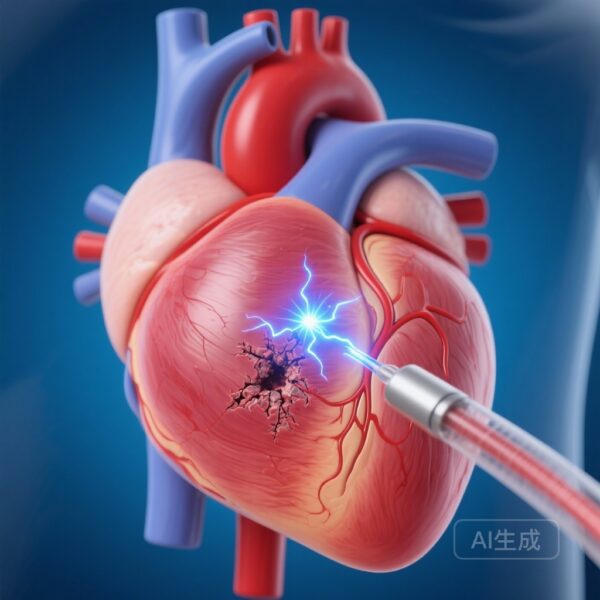
Introduction: The Paradox of Blood Pressure Targets in the Elderly
The management of hypertension in older adults remains one of the most contentious areas of clinical medicine. While the benefits of blood pressure (BP) reduction for preventing cardiovascular disease (CVD) are well-established, the optimal systolic blood pressure (SBP) target for individuals over the age of 70 is frequently debated. Aggressive targets (e.g., <120 mmHg) are often complicated by age-related physiological changes, such as arterial stiffness, impaired autoregulation, and the risk of adverse events like syncope or falls. Conversely, permissive targets may leave high-risk patients vulnerable to myocardial infarction, stroke, and heart failure.
The Concept of ‘Heart Stress’
A critical challenge in geriatric hypertension management is the heterogeneity of the population. Two 75-year-old patients with an SBP of 150 mmHg may have vastly different underlying cardiovascular profiles. Recent research has turned toward biomarkers to better stratify this risk. N-terminal pro-B-type natriuretic peptide (NT-proBNP), a marker of myocardial wall stress, has emerged as a potent predictor of cardiovascular outcomes. In a recent post hoc analysis of the ASPREE (Aspirin in Reducing Events in the Elderly) trial, researchers investigated whether ‘Heart Stress’ (HS)—defined by age-adjusted elevation in NT-proBNP—could identify which older adults benefit most from intensive BP control and which might be harmed by it.
Study Design: The ASPREE Post Hoc Analysis
The study utilized data from 11,941 community-dwelling older adults (mean age 75.1 years) who were free of established CVD at enrollment. Heart Stress was defined using specific NT-proBNP thresholds: ≥150 pg/mL for participants aged 65 to 74 years and ≥300 pg/mL for those aged 75 and older. Participants were categorized into four groups based on their hypertension status and the presence or absence of HS. The primary outcome was a composite of total CVD events, including nonfatal myocardial infarction, fatal or nonfatal stroke, coronary heart disease death, or hospitalization for heart failure.
Methodological Rigor
To ensure the robustness of the findings, the investigators employed Cox proportional-hazards models and restricted cubic splines to examine the association between SBP and CVD events. They also conducted a landmark sensitivity analysis, excluding events occurring in the first two years of follow-up, to minimize the impact of reverse causality or pre-existing subclinical disease.
Key Findings: Heart Stress as a Risk Multiplier
The analysis revealed that Heart Stress is remarkably common, present in 25.8% of the study population. The presence of HS, either alone or in combination with hypertension, significantly escalated cardiovascular risk. Compared to the reference group (no hypertension and no HS), the adjusted hazard ratios (HR) for CVD events were:
1. Hypertension + No HS: HR 1.41 (95% CI, 1.18–1.70)
2. No Hypertension + HS: HR 1.79 (95% CI, 1.34–2.39)
3. Hypertension + HS: HR 2.32 (95% CI, 1.89–2.84)
These data suggest that HS is a stronger predictor of future CVD events than the clinical diagnosis of hypertension itself, and the combination of the two represents a high-risk phenotype requiring urgent clinical attention.
The SBP-CVD Relationship: Linear vs. U-Shaped Patterns
Perhaps the most clinically significant finding of the study was the interaction between HS status and the optimal SBP level. The researchers observed two distinct patterns of risk:
The U-Shaped Relationship in Low-Stress Hearts
Among participants without HS, the association between SBP and CVD events followed a U-shaped curve. The lowest incidence of events occurred at an SBP of 130 to 139 mmHg. When SBP dropped below 120 mmHg or rose above 140 mmHg, the risk increased. This suggests that for older adults without evidence of myocardial stress, overly aggressive BP lowering may not be beneficial and could potentially be counterproductive.
The Linear Relationship in High-Stress Hearts
In stark contrast, participants with HS showed a linear relationship between SBP and CVD risk. In this group, the risk increased steadily as SBP rose, and the lowest risk was observed at the lowest SBP levels measured (<120 mmHg). For these individuals, the 'lower is better' philosophy appeared to hold true, suggesting they are the cohort most likely to benefit from intensive BP targets.
Expert Commentary: Mechanistic Insights and Clinical Utility
The biological plausibility of these findings lies in the role of NT-proBNP as a sensor for myocardial strain. Elevated NT-proBNP levels often reflect subclinical structural heart disease, such as left ventricular hypertrophy, diastolic dysfunction, or microvascular ischemia. In patients with such ‘stressed’ hearts, the myocardium is less resilient to the hemodynamic load imposed by even moderately elevated blood pressure. Conversely, in those without HS, the U-shaped curve may reflect the hazards of low diastolic perfusion pressure in the context of stiffened large arteries—a common feature of aging.
Moving Toward Precision Hypertension Management
This study challenges the ‘one-size-fits-all’ approach to SBP targets in the elderly. Current guidelines, such as those from the ACC/AHA, often emphasize an SBP target of <130 mmHg for most adults. However, the ASPREE analysis suggests that NT-proBNP could serve as a gatekeeper for this decision. A patient with HS may require a target of <120 mmHg to mitigate their high risk, while a patient without HS might be safely managed with a target of 130–139 mmHg, avoiding the polypharmacy and side effects of intensive therapy.
Limitations and Future Directions
As a post hoc analysis, these findings should be considered hypothesis-generating rather than definitive. The ASPREE trial was not originally designed to test HS-guided BP targets. Furthermore, the study population consisted of relatively healthy, community-dwelling older adults, so the findings may not apply to more frail populations or those with established CVD. Prospective, randomized controlled trials (RCTs) are now needed to determine whether a strategy of ‘biomarker-guided BP management’—where targets are set based on NT-proBNP levels—actually leads to better clinical outcomes than standard care.
Summary for Clinicians
The ASPREE post hoc analysis provides compelling evidence that Heart Stress, defined by NT-proBNP, is a critical determinant of cardiovascular risk in older adults. The traditional SBP-CVD relationship is fundamentally altered by the presence of HS. For clinicians, this means that NT-proBNP may be a valuable tool in the geriatric toolbox, helping to identify high-risk individuals who warrant intensive BP control while sparing lower-risk individuals from the potential harms of over-treatment. As we move further into the era of precision medicine, biomarkers like NT-proBNP will likely play a central role in refining our approach to hypertension in the aging population.
References
1. Cai A, Bayes-Genis A, Ryan J, et al. Heart Stress and Blood Pressure Management in Older Adults: Post Hoc Analysis of the ASPREE Trial. Circulation. 2025;152(23):1621-1633. doi:10.1161/CIRCULATIONAHA.125.076263.
2. SPRINT Research Group. A Randomized Trial of Intensive versus Standard Blood-Pressure Control. N Engl J Med. 2015;373(22):2103-2116.
3. Januzzi JL, et al. NT-proBNP testing for diagnosis and short-term prognosis in acute destabilized heart failure: an international pooled analysis of 1256 patients: the PRIDE Study. Eur Heart J. 2006;27(3):330-337.