Highlights
– Endothelial METTL14 is upregulated in aged humans and mice; METTL14 deletion in endothelium reduces arterial stiffness, remodelling and endothelial senescence via reduced m6A-dependent stabilization of TLR4 mRNA.
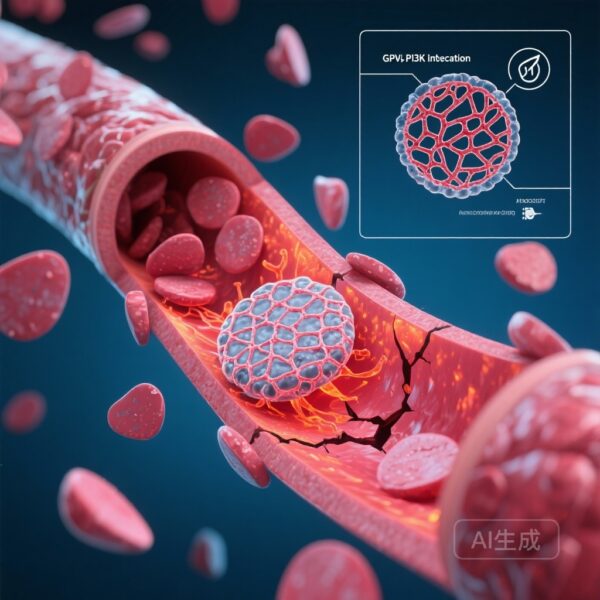
– Loss of endothelial LATS1/2 produces a senescence-associated stemness (SAS) phenotype driven by CD38 upregulation, metabolic reprogramming (SUOX deficiency, altered mitochondrial complex V function, enhanced SDH and TCA flux) and formation of fragile, leaky neovessels that promote atherothrombosis.
– Both pathways offer translational opportunities: circulating METTL14 and TLR4 correlate with vascular ageing and atherosclerosis, and CD38 inhibition attenuates SAS-driven lesion formation in preclinical models.
Background and clinical context
Vascular ageing is a major, pervasive substrate for cardiovascular morbidity, manifest as arterial stiffening, endothelial dysfunction, maladaptive remodelling and increased susceptibility to atherosclerosis and thrombosis. Endothelial cells (ECs) are central to vascular homeostasis; age-related endothelial dysfunction and the accumulation of senescent ECs contribute to chronic inflammation, impaired barrier function, and prothrombotic phenotypes. Yet the molecular switches that convert mechanical and metabolic stress into persistent endothelial inflammation and senescence are incompletely defined, limiting therapeutic innovation.
Study designs and models
Two complementary studies used genetic, cellular, and spatial multi-omics approaches to dissect endothelial drivers of vascular ageing and atherothrombosis.
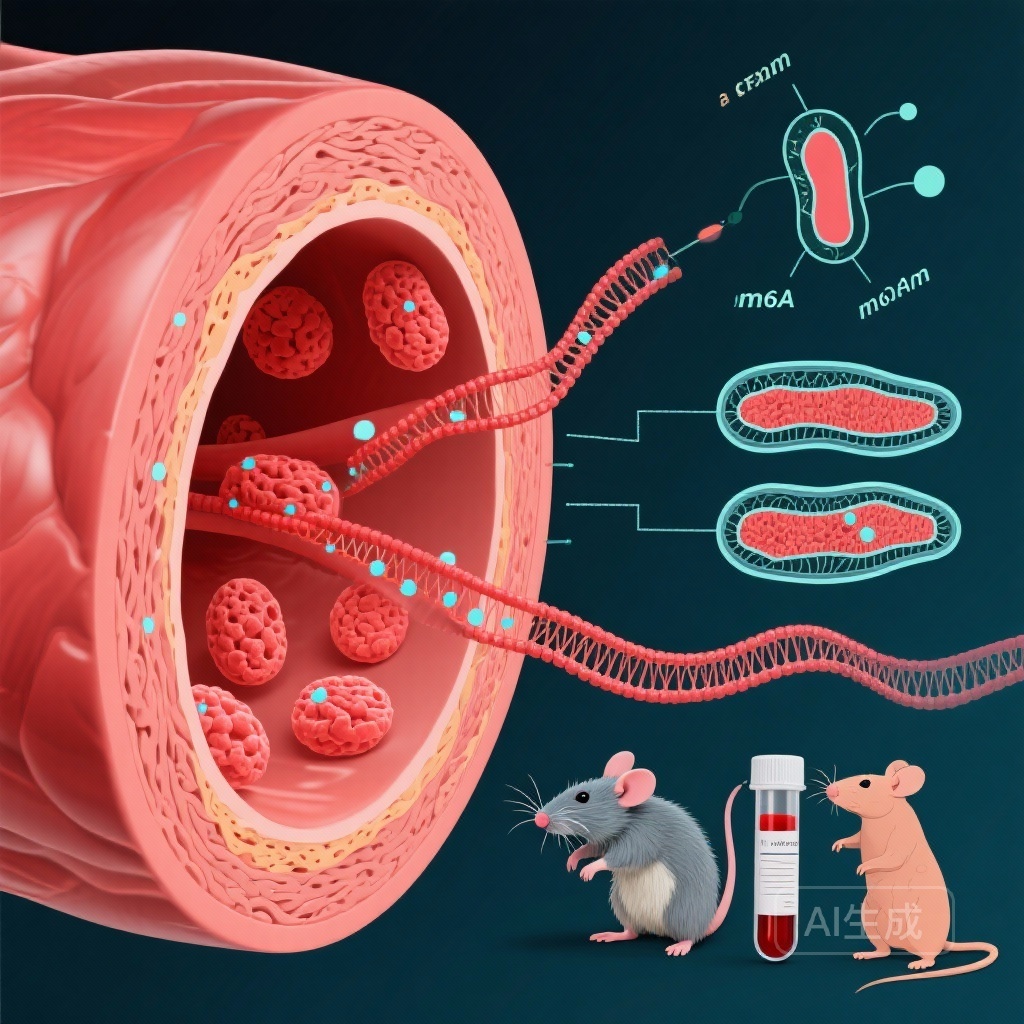
1) METTL14 study (Liu et al., Eur Heart J. 2025): natural ageing mice, D-galactose–induced ageing mice, senescent human and mouse endothelial cell cultures, and endothelium-specific METTL14 knockout and overexpression models were used to define METTL14’s role in endothelial ageing. Outcomes assessed included arterial stiffness, vascular remodelling, endothelial senescence markers, inflammatory and oxidative stress responses, and mRNA m6A modification and stability. Human translational data correlated blood METTL14 and TLR4 levels with vascular ageing and atherosclerotic disease.
2) LATS1/2 study (Kotla et al., bioRxiv preprint 2025): endothelial cell–specific knockouts of LATS1/2 (tamoxifen-inducible models) were evaluated in a partial left carotid ligation (PLCL) model and without additional atherogenic challenge. Spatial single-cell proteomics (imaging mass cytometry, COMET™) and spatial metabolomics were applied to mouse and human atherosclerotic plaques to map phenotypes. Researchers probed downstream effectors (CD38, SUOX, mitochondrial complex V, SDH, TCA cycle) and tested CD38 inhibition as an intervention.
Key findings — METTL14/TLR4 axis
Upregulation of METTL14 in ECs was consistently observed across aged human and mouse aortae and in multiple senescent endothelial cell models. Endothelial-specific genetic knockdown or knockout of METTL14 produced marked protection against hallmarks of vascular ageing: reduced arterial stiffness and remodelling, lower endothelial senescence markers, and decreased inflammatory and oxidative stress signatures. Conversely, endothelium-specific METTL14 overexpression exacerbated vascular ageing phenotypes.
Mechanistically, METTL14 promoted N6-methyladenosine (m6A) deposition on Toll-like receptor 4 (TLR4) mRNA. The m6A-modified TLR4 transcripts exhibited increased stability, leading to enhanced TLR4 expression and downstream proinflammatory signalling — a plausible link between RNA methylation and persistent endothelial inflammation. Functionally, TLR4 knockdown reversed METTL14-driven endothelial dysfunction and vascular ageing, supporting a causal chain: METTL14 → m6A on TLR4 mRNA → increased TLR4 stability/expression → inflammation and endothelial senescence.
Importantly, circulating METTL14 and TLR4 levels were positively associated with vascular ageing, atherosclerosis and arteriosclerosis in human samples, suggesting biomarker potential and translational relevance.
Key findings — LATS1/2 → CD38 → SUOX metabolic axis
Endothelial deletion of both LATS1 and LATS2 had profound, model-dependent consequences. Complete homozygous EC-specific deletion produced fatal systemic edema and vascular hyperpermeability. A less severe genotype (Lats1 heterozygous / Lats2 homozygous EC knockout) permitted survival but led to spontaneous atherothrombotic plaque formation with abundant neovascularization even without hyperlipidemic diet or additional genetic drivers.
Single-cell spatial proteomics revealed that LATS1/2-deficient ECs adopted a hybrid phenotype dubbed senescence-associated stemness (SAS): concurrent expression of senescence markers and stem/proliferative programs, facilitating both excessive proliferation and accumulation of dysfunctional senescent cells. CD38 upregulation emerged as a primary driver of SAS. Spatial metabolomics demonstrated elevated sulfite and taurine levels in LATS1/2-deficient plaques, consistent with reduced sulfite oxidase (SUOX) activity.
Mechanistic investigation linked CD38-mediated suppression of SUOX to mitochondrial dysregulation: reverse-mode complex V activity, increased succinate dehydrogenase (SDH) activity, and greater ATP consumption. Despite ATP depletion, ECs compensated by ramping up glutamate metabolism and the TCA cycle, supporting proliferation under energetic stress. The net effect was a population of metabolically active but fragile ECs that promoted leaky neovessel formation and plaque vulnerability. Pharmacologic or genetic inhibition of CD38 attenuated lesion formation, and similar metabolically active EC phenotypes were identified in human atherothrombotic plaques, supporting translational relevance.
Biological plausibility and integration
Taken together, these studies describe distinct but potentially convergent endothelial programs that drive ageing-associated vascular disease. METTL14-driven m6A methylation of TLR4 provides a post-transcriptional mechanism to sustain innate immune signalling in ECs, promoting chronic inflammation and senescence. LATS1/2 loss reprograms ECs toward SAS via CD38-dependent metabolic rewiring, with consequences for barrier integrity, neovascularization and thrombosis.
Both pathways speak to established themes in vascular biology: the centrality of chronic low-grade inflammation (inflammaging), the role of metabolic reprogramming in cell fate, and the importance of endothelial barrier function for plaque stability. They also highlight different therapeutic nodes: epitranscriptomic regulation (METTL14/m6A), innate immune receptors (TLR4), and metabolic enzymes/regulators (CD38/SUOX). The detection of circulating METTL14 and TLR4 as correlates of vascular ageing suggests a near-term opportunity for biomarker development.
Expert commentary and limitations
These reports provide high-quality mechanistic data but have limitations that frame clinical translation:
– Model systems: The METTL14 work uses multiple ageing models and human samples, strengthening validity. The LATS1/2 study relies on powerful genetic perturbations; however, the most severe phenotypes were seen with complete LATS1/2 deletion, a situation that may not have a human equivalent. The atherothrombotic phenotype in the less severe genotype is compelling but requires replication in additional models and across species.
– Generalizability: METTL14 and m6A modifications affect many transcripts across cell types. Systemic inhibition of METTL14 may carry off-target risks. Endothelium-specific targeting strategies will be essential to minimize unwanted effects.
– Translational readiness: The LATS1/2 study is currently a preprint; findings require peer-reviewed confirmation. CD38 inhibitors already exist and are clinically used in hematologic contexts (e.g., daratumumab), but systemic CD38 blockade has immunometabolic consequences that warrant careful assessment in cardiovascular patients.
– Biomarker evidence is associative: elevated blood METTL14 and TLR4 correlated with vascular ageing and disease, but prospective studies are needed to establish predictive value and causality in humans.
Clinical and translational implications
Several near- and longer-term clinical opportunities arise from these studies:
– Biomarker development: circulating METTL14 and TLR4 merit prospective evaluation as biomarkers for vascular biological age, risk stratification for atherosclerotic disease progression, or monitoring responses to targeted therapies.
– Targeted therapies: endothelial-directed strategies to reduce METTL14 activity (antisense oligonucleotides, siRNA, targeted nanoparticles) or to destabilize pathogenic m6A-modified transcripts (small molecules modulating m6A readers/writers/erasers) could reduce chronic endothelial inflammation. For LATS1/2-associated pathology, CD38 inhibitors and metabolic modulators that restore SUOX activity or correct mitochondrial dysfunction may reduce SAS-driven lesion formation.
– Safety considerations: any therapy altering m6A pathways or CD38 must be evaluated for effects on immune surveillance, hematopoiesis, and systemic metabolism.
Unanswered questions and next steps
– Causality and timing: Are METTL14 and LATS1/2 dysregulation upstream initiators of vascular ageing in humans, or do they amplify pre-existing processes? Longitudinal human cohort studies and inducible models with temporally controlled interventions can clarify this.
– Cell-type specificity: How do METTL14 and LATS1/2 perturbations in non-endothelial cells (e.g., smooth muscle cells, macrophages) contribute to overall plaque biology? Single-cell and spatial multi-omic profiling in broader cellular contexts will be informative.
– Therapeutic windows: What degree and duration of pathway modulation are required to yield durable benefit without unacceptable toxicity? Preclinical dose-ranging and safety studies are essential.
Conclusion
These two recent studies illuminate novel molecular circuits by which endothelial cells acquire pro-ageing and prothrombotic phenotypes. METTL14-mediated m6A methylation sustains TLR4-driven inflammation and endothelial senescence, while loss of LATS1/2 precipitates a CD38-driven SAS metabolic program that fosters fragile neovessels and atherothrombosis. Both represent promising translational targets, with circulating METTL14/TLR4 and the CD38–SUOX metabolic signature offering potential biomarker and therapeutic entry points. Careful preclinical safety evaluation and translational studies will be required before clinical testing, but these findings expand the molecular toolbox for combating vascular ageing and plaque instability.
Funding and clinicaltrials.gov
Funding and trial registration details are provided in the original publications. Readers should consult the source articles for specific grant and conflict-of-interest statements.
References
1. Liu X, Liu H, Lin Y, Lou H, Feng J, Sun X, Wang J, Dong X, Liu L, Sun Z, Dou Z, Wang L, Xu R, Zhao T, Huang Q, Zhao W, Hao Y, Zhao L, Yang B, Zhang Y. Deletion of METTL14, a key methylation regulator, attenuates vascular ageing. Eur Heart J. 2025 Dec 1;46(45):4953-4968. doi: 10.1093/eurheartj/ehaf476 . PMID: 40758401 ; PMCID: PMC12665371 .
2. Kotla S, Lee J, Ko KA, Chen W, Samanthapudi VSK, Hoang O, Mejia GF, Li S, Schadler KL, Rivera LA, Imanishi M, Samperio KCT, Kim JH, Ostos-Mendoza KC, Mariscal-Reyes KN, Deswal A, Cooke JP, Fujiwara K, Palaskas NL, Koutroumpakis E, Gi YJ, Pathania R, Morrell C, Lorenzi PL, Tan L, Madhmud I, Hanssen NMJ, Yvan-Charvet L, Chini EN, Herrmann J, Vasquez HG, Shen YH, Martin JF, Xu H, Seeley EH, Burks JK, Brookes PS, Wang G, Le NT, Abe JI. Downregulation of LATS1/2 Drives Endothelial Senescence-Associated Stemness (SAS) and Atherothrombotic Lesion Formation. bioRxiv [Preprint]. 2025 Jun 21:2025.06.19.660635. doi: 10.1101/2025.06.19.660635 . PMID: 40667385 ; PMCID: PMC12262564 .