Introduction: The HDL Paradox and Functional Proteomics
For decades, high-density lipoprotein cholesterol (HDL-C) has been heralded as the ‘good cholesterol,’ with epidemiological data consistently showing an inverse relationship between HDL-C levels and the risk of coronary heart disease (CHD). However, the failure of HDL-raising pharmacological interventions, such as CETP (cholesteryl ester transfer protein) inhibitors, to consistently reduce cardiovascular events has triggered a paradigm shift. Clinical medicine is moving away from measuring the total cholesterol content within HDL particles and toward a more nuanced understanding of HDL function and subspecies composition.
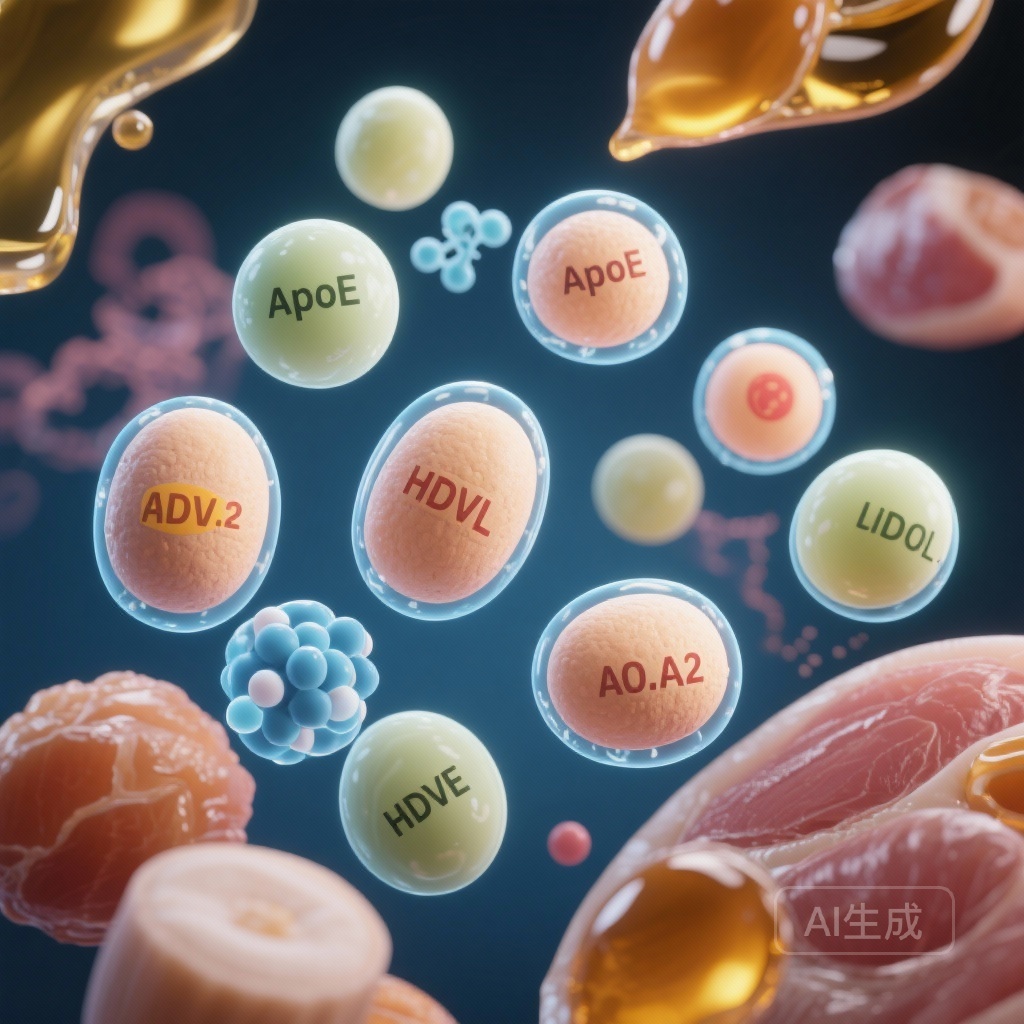
HDL is not a monolithic entity but a complex mixture of subspecies defined by their proteomic and lipidomic cargo. These minor protein-based subspecies are emerging as likely causal biomarkers for CHD, diabetes, and inflammation. Recent research published in Arteriosclerosis, Thrombosis, and Vascular Biology by Zhang et al. (2026) provides critical evidence on how dietary macronutrient composition—specifically replacing carbohydrates with unsaturated fats or protein—can fundamentally reshape the HDL proteome to favor a more cardioprotective state.
Highlights of the Research
Proteomic Precision
The study identifies 15 distinct protein-based HDL subspecies, demonstrating that dietary interventions affect the concentration of specific proteins (like apoE, apoC1, and plasminogen) within HDL rather than just changing the total HDL-C mass.
Unsaturated Fat Benefits
Replacing 10% of energy from carbohydrates with unsaturated fats significantly increases apoA1 concentrations in HDL subspecies containing apoA2, apoE, or apoC1, all of which are associated with reduced CHD risk.
Protein Substitution Effects
Replacing carbohydrates with protein not only increases protective apoE-containing HDL but also decreases subspecies containing pro-inflammatory or pro-thrombotic proteins such as alpha-2-macroglobulin (A2M) and plasminogen (PLMG).
Study Design: The OmniHeart Trial Subanalysis
The findings are based on a secondary analysis of the OmniHeart (Optimal Macronutrient Intake Trial to Prevent Heart Disease) trial, a landmark randomized, three-period crossover, controlled feeding study. The trial involved 141 participants who were provided with all their meals for three four-week periods. This level of dietary control is the gold standard in nutritional science, eliminating the confounding variables associated with self-reported intake.
The three experimental diets were designed as follows:
- Carbohydrate-rich Diet: 58% carbohydrate, 27% fat, and 15% protein.
- Unsaturated Fat-rich Diet: Replaced 10% of carbohydrate energy with unsaturated fats (mostly monounsaturated).
- Protein-rich Diet: Replaced 10% of carbohydrate energy with protein (about half from plant sources).
Researchers measured the apoA1 concentrations of 15 minor HDL subspecies at the end of each dietary period using specialized immunoassays. These subspecies were categorized based on their content of specific proteins involved in lipid metabolism, antioxidation, immunity, and hemostasis.
Key Findings: Shifting the Atherogenic Profile
Effect of Unsaturated Fats
When participants switched from the carbohydrate-rich diet to the unsaturated fat-rich diet, there was a notable increase in HDL subspecies characterized by the presence of apoA2, apoE, and apoC1. In previous longitudinal cohorts, these specific subspecies have been strongly linked to lower CHD risk. ApoE, in particular, plays a vital role in mediating the hepatic uptake of lipoproteins and promoting reverse cholesterol transport, the process by which excess cholesterol is removed from peripheral tissues and sent to the liver for excretion.
Effect of Dietary Protein
The protein-rich diet demonstrated a dual benefit. Like the unsaturated fat diet, it increased the concentrations of protective apoE-containing HDL. Perhaps more importantly, it decreased the levels of ‘adverse’ HDL subspecies. Specifically, subspecies containing plasminogen (PLMG), alpha-2-macroglobulin (A2M), and apoL1 were reduced. These proteins are involved in protease inhibition and hemostasis; their presence in HDL has been associated with increased arterial stiffness and higher CHD incidence in prospective studies.
Network Analysis and Functional Clusters
A sophisticated network analysis revealed that these HDL subspecies do not change in isolation. Instead, they form functional clusters. Dietary shifts influenced these clusters in a coordinated manner, suggesting that macronutrients regulate the biosynthetic or metabolic pathways of entire groups of HDL particles. This suggests that the ‘quality’ of the HDL pool is a dynamic reflection of metabolic health influenced directly by diet.
Mechanistic Insights: Why Subspecies Matter
The clinical significance of these findings lies in the functional diversity of HDL. While the total HDL-C measurement reflects the total amount of cholesterol carried by all HDL particles, it tells us nothing about the biological activity of those particles. For example:
- ApoC-III in HDL: While not the primary focus of this specific summary, apoC-III is a known inhibitor of lipoprotein lipase. HDL containing apoC-III is often associated with higher risk, whereas HDL lacking it is protective.
- ApoE and Reverse Cholesterol Transport: ApoE-enriched HDL particles are highly efficient at binding to receptors in the liver, facilitating the ‘cleansing’ of cholesterol from the bloodstream.
- Inflammatory Markers: When HDL carries proteins like A2M or PLMG, it may lose its antioxidant and anti-inflammatory properties, potentially becoming pro-atherogenic in the setting of metabolic syndrome or high carbohydrate intake.
By replacing refined carbohydrates—which can trigger de novo lipogenesis and systemic inflammation—with unsaturated fats or proteins, the body appears to prioritize the production of functional, lipid-clearing HDL subspecies over those involved in inflammatory or thrombotic pathways.
Expert Commentary and Clinical Implications
This study provides a robust physiological explanation for the cardiovascular benefits of the Mediterranean diet and other heart-healthy patterns that emphasize healthy fats and proteins over simple carbohydrates. For clinicians, the takeaway is clear: the focus should remain on dietary patterns rather than chasing a specific HDL-C number on a lab report.
However, some limitations must be noted. While the OmniHeart trial provides high-quality controlled data, the four-week duration of each dietary phase is relatively short. Long-term studies are needed to determine if these proteomic shifts translate directly into a reduction in hard clinical endpoints like myocardial infarction or stroke. Additionally, the study focused on apoA1 concentrations within these subspecies; future research should also investigate the lipidomic (fatty acid) composition of these specific particles.
Conclusion
The work by Zhang and colleagues marks a significant step toward ‘precision nutrition.’ By demonstrating that macronutrient replacement shifts protein-based HDL subspecies toward a lower CHD risk profile, the study validates the clinical recommendation to limit high-carbohydrate intakes in favor of unsaturated fats and protein. As proteomic testing becomes more accessible, measuring these specific HDL subspecies may eventually provide a much more accurate assessment of cardiovascular risk than the traditional lipid panel used today.
Funding and ClinicalTrials.gov
This research was supported by grants from the National Institutes of Health (NIH). The OmniHeart trial is registered at ClinicalTrials.gov with the unique identifier: NCT00051350.
References
Zhang B, Furtado JD, Andraski AB, Guglielmo B, Appel LJ, Wang K, Yasunaga S, Saku K, Ikewaki K, Sacks FM. Partially Replacing Dietary Carbohydrate With Unsaturated Fat or Protein Shifts Protein-Based HDL Subspecies Toward Lower Coronary Heart Disease Risk. Arterioscler Thromb Vasc Biol. 2026 Jan;46(1):251-267. doi: 10.1161/ATVBAHA.125.323709.
Appel LJ, Sacks FM, Carey VJ, et al. Effects of Protein, Monounsaturated Fat, and Carbohydrate Intake on Blood Pressure and Serum Lipids: Results of the OmniHeart Randomized Trial. JAMA. 2005;294(19):2455-2464.